How A Belarusian Woman Escaped From A Collective Farm To Lithuania In The 1970s
1- 4.05.2026, 8:59
- 3,122
Amazing story.
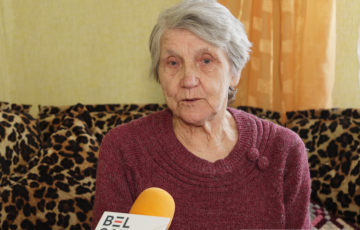
Turmantas, one of the last Lithuanian settlements before the Belarusian border, now has about 200 inhabitants. A significant part of them are natives of Belarus who moved here back in Soviet times. One of them is 74-year-old Ekaterina Sas. She moved from a Belarusian village to the Lithuanian SSR back in 1972 with her family. In a conversation with "Belsat", the Belarusian told what was the reason for leaving, how life was in the new place, how much is the pension in Lithuania and what real Belarusian village dish she still cooks.
"The bride and groom were carried on their shoulders, because there was no road, mud"
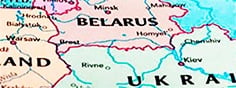
The village where Catherine lives is adjacent to the Latvian border, and only 12 kilometers from here begins Verkhnedvinsk district of Belarus. Back in the Soviet times, the village of Turmantas was important because of the railroad station - many trains passed through it. In 1995, Turmantas was even given the status of a city, but four years later it lost it, as the population began to decline rapidly.
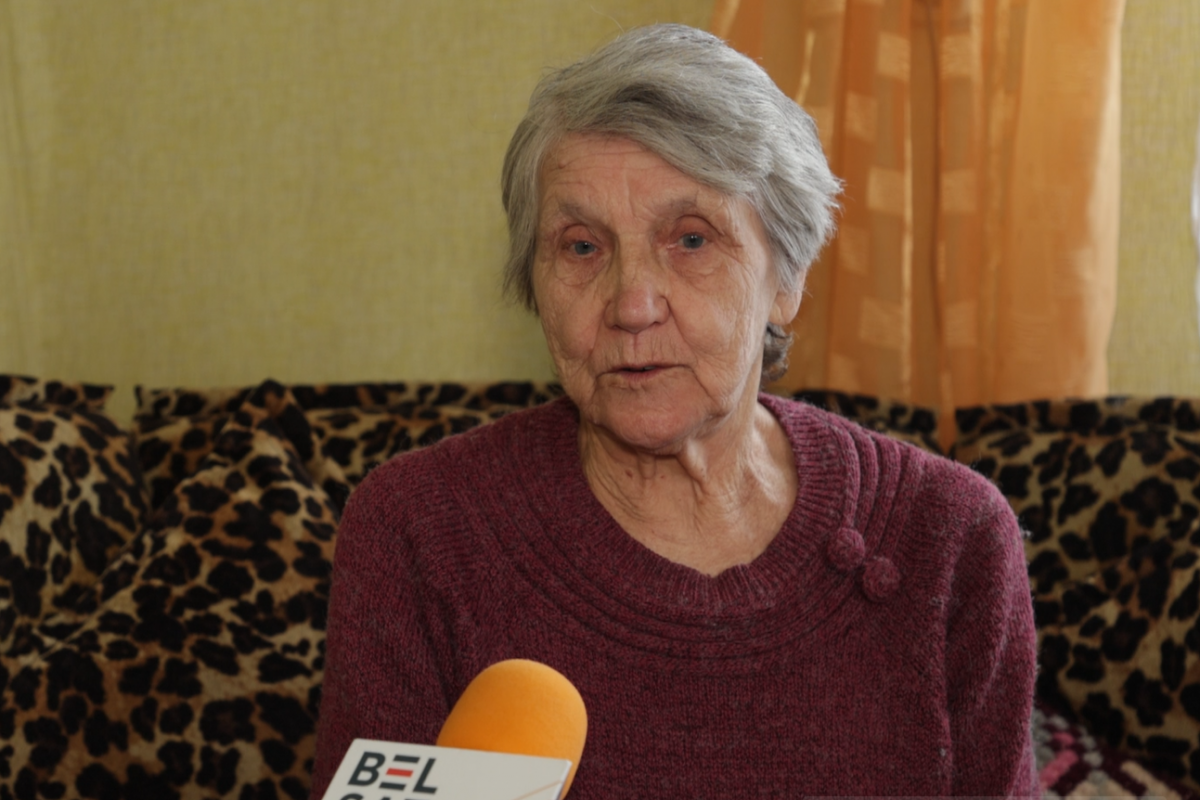
Turmantas is home to many Belarusians who moved here during the Soviet era. For many of them Lithuania has become home. Ekaterina moved here with her family from a village eight kilometers away from Vidz, in Braslav region. The woman says that the reason for the move was hard work in a Belarusian collective farm:
"The village was such that you had to walk eight kilometers to the central farmstead. My husband worked as a chauffeur, taking flax to Druja. And it was without roads, there were none then, through mud, my husband came "without hands". And I didn't work then, I was with a child...
I remember how on the board they posted the salary - 1 rub. 83 kopecks. And sometimes it was 60 and 90 kopecks. This is after those "sticks" (labor days - ed.). I don't know why there was such a difference. We didn't think about the authorities then: if they said so, I did it. Now we can say that the authorities are to blame, but back then... who knows. As we lived, so we lived".
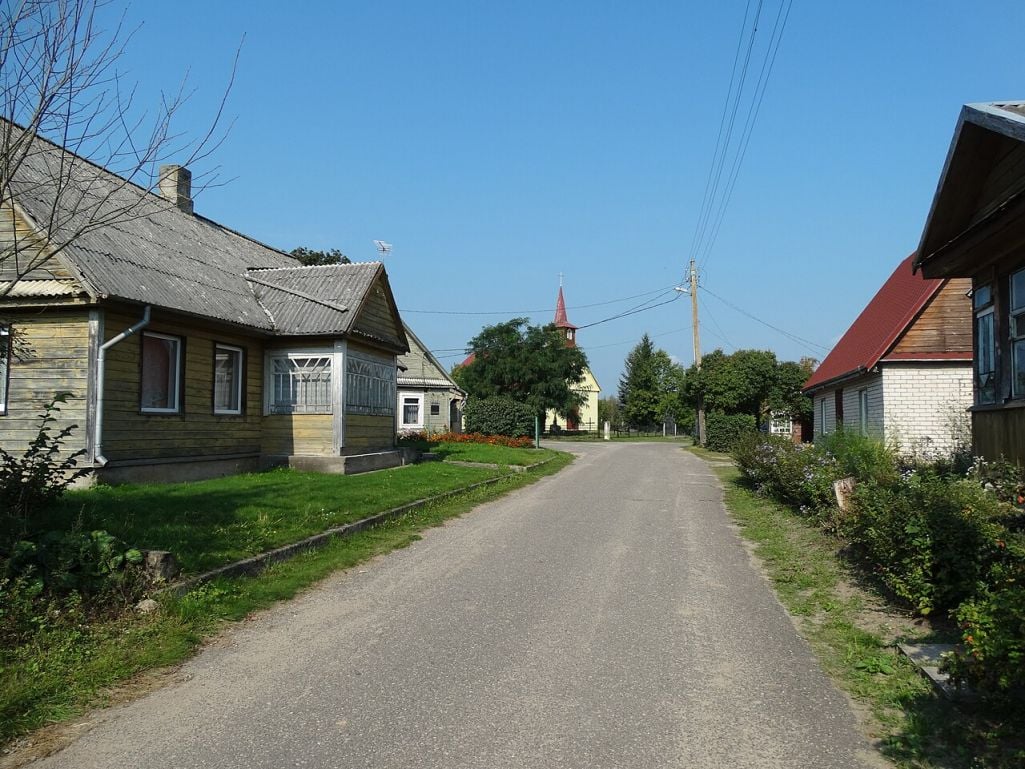
After the war people were happy that it was over. But life did not become easy. In the 1960s, says Ekaterina, there was a shortage of bread in the villages, people cursed Nikita Khrushchev, stood in queues, and there was a crush in the stores.
Ekaterina recalls how shortly before they moved to the village a wedding was held. In order to bring people, they took a caterpillar tractor, but it stalled in the mud, so the bride and groom were carried on their shoulders so that they would not get dirty," she describes the situation with roads in villages in those times.
"So we had a relative living in Lithuania, and she suggested: "Why will you walk in knee-deep mud here? Let's go to Lithuania." She told us that there was a house for sale here, and we, as young people, rushed out. My grandmother was already a hundred years old, my mother was lying, invalid, my father was already retired - we took everyone with us."
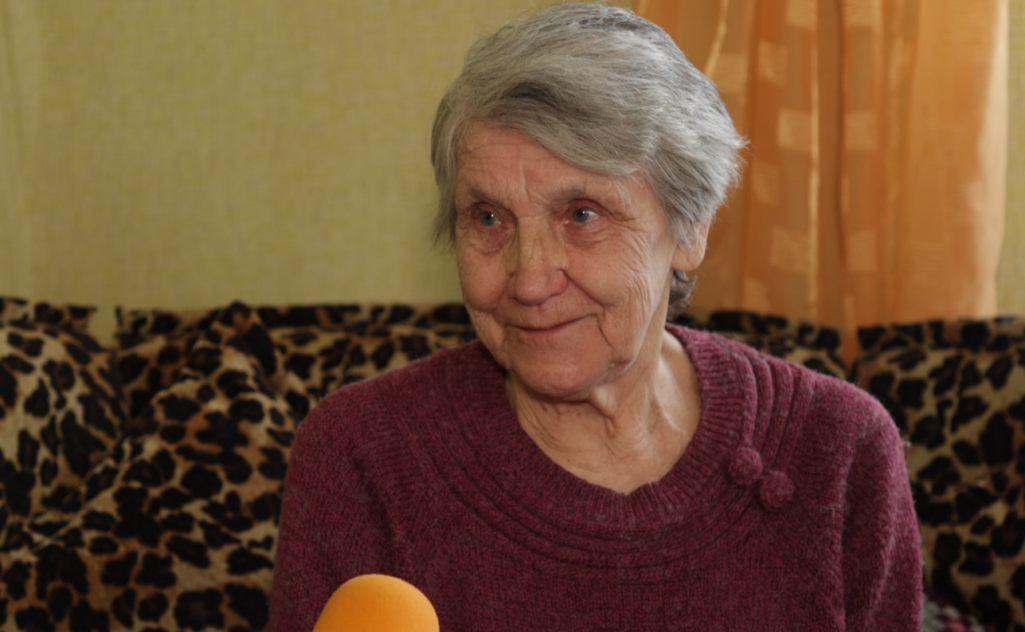
"Digging a cellar - toloka, making a roof - toloka, firewood - toloka, mowing hay - toloka"
In the new place Catherine's husband was immediately taken to work as a chauffeur. By profession, the Belarusian was a painter, at that time the local collective farm was building an office, and when the building was already erected, Catherine was engaged in its finishing. Before that she worked in field farming. The family lived on a farm seven kilometers from Turmantas.
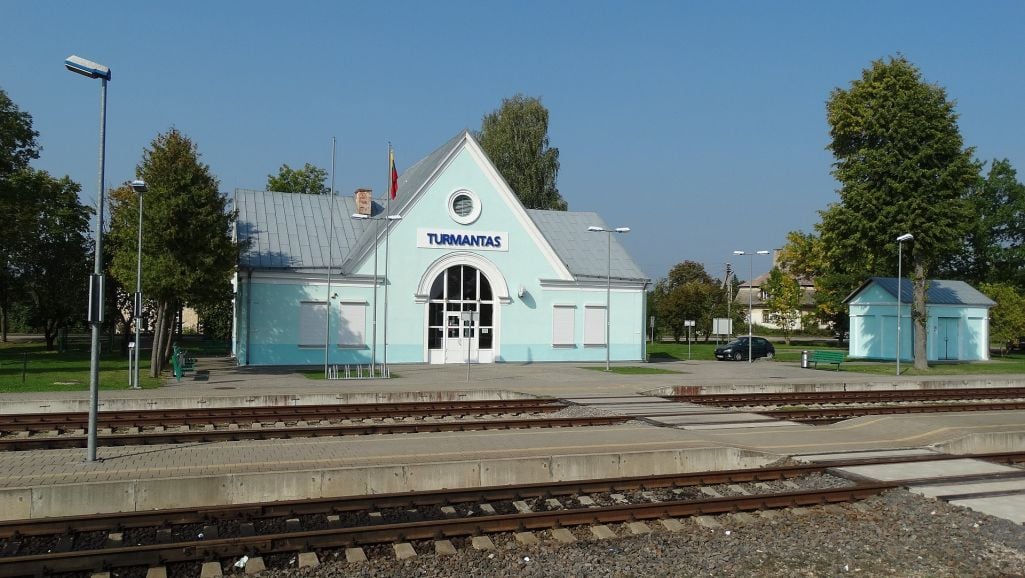
In Belarus, according to the interviewee, there were almost no opportunities for their own farm: they allowed to have only 25 hectares of land, and that was all - it was impossible to develop. After moving to Lithuania, the situation changed: young and full of energy, they immediately took up work and started farming. They kept cows, sheep, and were engaged in pig breeding. They worked hard and used every opportunity to earn money - even took apples for sale to Leningrad.
"We had such a Belarusian corner here," says Ekaterina. - Seven families from Belarus came to Bogdanishki. We were friendly, we built together. In Belarusian it was called "toloka": to dig a cellar - toloka, to make a roof - toloka, firewood - toloka, hay mowing - toloka. Belarusians are very friendly people. We have remained like that."
She said that almost no one went back to Belarus. Only the son of one neighbor married a Belarusian woman and stayed there to live. The rest stayed in Lithuania, because, as Ekaterina says, it was easier here.
Later, when land reclamation began and farms began to be resettled into settlements, the family moved to Turmantas. There they built their own house.
After the collapse of the Soviet Union, Ekaterina's husband offered to return to Belarus. But in 1989, her daughter died, and the Belarusian did not want to leave her grave:
"And it's good that we didn't go, because here we are 'occupants,' and there - 'deserters. "Lukashenko-pan said: "Deserters ran away - it was bad, everyone was rushing to Europe, but now run back." Well, I didn't want to be a deserter. Although they called us "occupants" here. But now everything is normal, no one calls us that. We have settled down, we live, and everything is fine, thank God. We can live. Only age fails me."
"I listen to "Svaboda", "Present Time", but I also have Belarusian state channels."
Katerina's pension in Lithuania is 470 euros. She says that this is enough when you live in the village - have your own house and vegetable garden. Catherine has no children left now, this year her son passed away.
"That's why now I'm moving to Latvia, Daugavpils. I have a sister there, all my relatives. That's where I'm going, because I'm alone here. I don't know how I will settle there. It's hard for me in the city. When I go, I get tired. But here in the countryside, you can breathe and go wherever you want. Put your sticks in your hands and go for a walk. The city's not for me. I'm a villager. Planting a vegetable garden is a pleasure. Go out, dig in the ground, get energy. And the first tomato or strawberry is happiness," she says.
Belarus has no close relatives left. Perhaps there are distant nephews or cousins somewhere, but there is no contact with them.
The last time Ekaterina was in Belarus was in 1988. She did not go out for food or gasoline, as some residents of border villages did later:
"We had enough here. And when my husband died, there was no more car."
Today she follows the Belarusian news, but admits that she doesn't always understand who to believe.
"I listen to "Svaboda", "Present Time", but then I also have Belarusian state channels, they are quite different, I compare them. But I don't know who to believe. I remain in my opinion. I know that there are political prisoners. After 2020, many were imprisoned. I think some of them have been released now. Lukashenko protects himself - he keeps his enemies away.
But of course I know what repressions are. My mother's brother served in the Polish Armia Krajowa, so he could not come to Belarus until 1965. He even changed his surname. That's how it was," she argues.
"Watering and gulbishniki, the latter I still do"
When the conversation turns to a possible war, Catherine answers that she does not believe in its beginning:
"People are not so stupid to start a war. The memory remains: war is death and blood."
When asked under which government she lived better, she after a pause answers:
"Under Leonid Brezhnev. Because I was young. We worked, everything was enough. There was a lot of money, but there was nothing to buy. And now... I've been through so many authorities. In Lithuania they change like a haze: they passed - and that's it, and you don't even remember your face".
Despite more than half a century of life in Lithuania, Catherine still considers herself Belarusian. She understands the Belarusian language, reads it fluently and even switches from Russian, in which we talked to her, to Belarusian.
"I feel myself a Belarusian. I've lived here since 1972 - it's crazy how many years. But I still have my Belarusianness in me," she says.
From the Belarusian language Catherine remembers village dishes most clearly. She recalls gulbishniki and watering, chowder:
"Belarusian watering - my father loved it. Coarsely chopped potatoes, water, onions, bread soaked in water, and all that in there. When it was Lent, we ate it that way. I still make gulbishniki now. They're not pancakes. They are boiled potatoes, crushed, then made into such fritters, filled with carrots, cabbage or something else and fried on a dry frying pan.
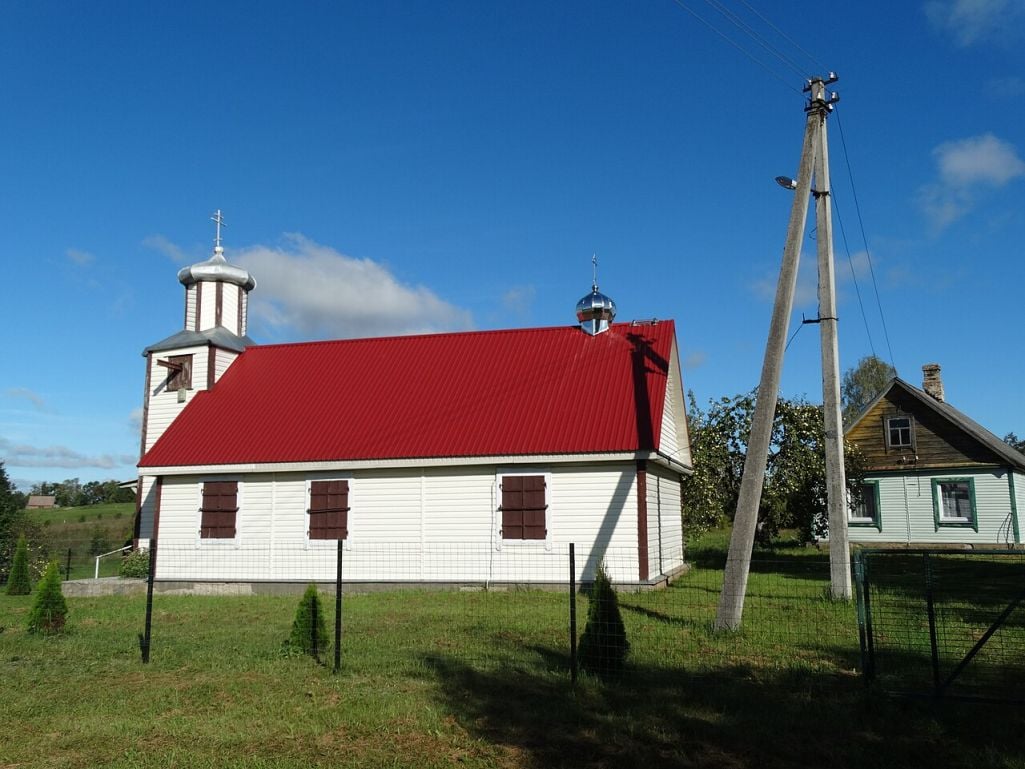
In Turmantas, where the Belarusian lives, there are two churches - Catholic and Old Believer. Ekaterina belongs to the latter. She says that her family and home helped her to keep her faith: her parents were believers, her grandmother too, and icons were always in the house. But the Soviet time left a painful episode in her memory.
"When I was accepted as a pioneer, I had a cross around my neck. And they made me take it off. It was such a tragedy for a child! And the main thing is that they didn't give it back to me. They took it off - and that was it, they tied a tie. It was some kind of horror," she recalls.
Afterwards, already a teenager, she doubted whether there was a God or not. But in time, says Katerina, she came back to faith.
Discussing the trials faced by Belarusians, she does not give loud answers. She says simply:
"Who pulls the wagon - they put it on him, the horse pulls it - they put even more on it. So God is probably on the Belarusians," she shares her wisdom.

Bank's name: Bank Millennium S.A.
Address: ul. Stanislawa Zaryna, 2A, 02-593, Warszawa
IBAN: PL97116022020000000216711123
SWIFT: BIGBPLPW
Name of the account holder: Fundacja “KARTA ‘97”
Purpose/title of payment: Donation for statuary aims
You can contact us by the e-mail charter97@gmail.com