
Foreign Affairs: The Most Important Phase Of The War Has Begun
- 1.06.2026, 10:35
- 2,052
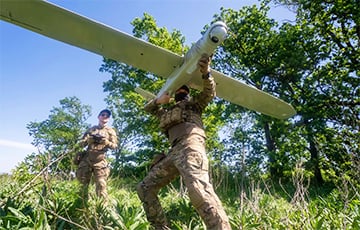
The AFU is changing the course of events.
The war in Ukraine has entered a new, potentially watershed stage. After the failed Ukrainian counteroffensive in 2023, the conflict has settled into a steady cycle: the intensification of hostilities occurs during the warm and cold seasons, and in between the sides regroup and rebuild their forces.
Formally, the dynamics of the front look familiar: with the onset of spring, an increase in Russian attacks and attempts to advance is recorded. However, as Foreign Affairs writes, the perception of what is happening has changed within the Ukrainian command - the pressure of Russian troops has become less effective than in previous years.
At the same time, shelling and drone strikes continue, but their cumulative effect, according to estimates, is weakening. Against this background, cautious optimism is growing in Kiev about the possibility of creating conditions for a ceasefire.
In 2025, Ukraine began a large-scale reorganization of the army, forming more than a dozen corps structures combining brigades. This improved the personnel training system and brought training closer to real combat conditions.
Simultaneously, coordination between infantry, artillery, armored vehicles, and unmanned systems increased. This integration has increased flexibility, simplified unit rotation and allowed localized successes with fewer losses than the enemy.
Separately, Ukrainian UAVs have become increasingly effective, increasingly targeting Russian logistics up to 100 kilometers deep from the front line. This complicates supply and limits the ability to concentrate forces for major attacks.
According to the material, Russian forces are facing a decline in effectiveness. Previously, the advantage was provided by numbers and firepower, but now, it is said, the quality of personnel training has deteriorated.
The use of poorly trained units in assault operations is noted, resulting in high casualties. They also mention the shortage of specialists, especially in the field of unmanned systems.
An additional factor is the changing nature of combat operations: the front has become more "blurred" and the zone of contact is deeper and more complex, which makes planning more difficult and reduces the effectiveness of command decisions.
Despite the positive trends for Ukraine and Russia's difficulties, the authors emphasize that it is premature to talk about a guaranteed outcome. The Russian army retains a significant numerical resource and stock of weapons.
In some directions Ukrainian forces face pressure and local losses of positions, and the situation remains tense, including in the areas of Zaporizhzhya direction.
At the same time the Russian Federation, according to the material, does not achieve the declared goals of control over Donbass in the established timeframe.
Possible further actions of Moscow are reduced to two main options:
scale expansion of mobilization with internal economic and social risks;
transition to a more defensive model of war with the preservation of strikes on Ukraine from a distance.
At the same time, the protracted format of the conflict is becoming more and more difficult for Russia, as Ukraine is increasing its ability to strike the rear infrastructure and logistics.

Bank's name: Bank Millennium S.A.
Address: ul. Stanislawa Zaryna, 2A, 02-593, Warszawa
IBAN: PL97116022020000000216711123
SWIFT: BIGBPLPW
Name of the account holder: Fundacja “KARTA ‘97”
Purpose/title of payment: Donation for statuary aims
You can contact us by the e-mail charter97@gmail.com