Germany Failed To Pass The UN Security Council For The First Time In History
- 4.06.2026, 7:37
- 8,364
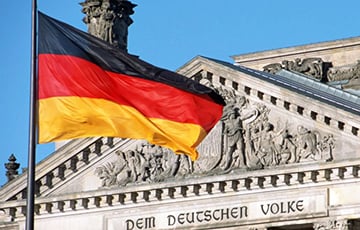
This set off a wave of discussion in diplomatic circles.
Germany failed to get a seat in the UN Security Council. This happened for the first time in the country's history, prompting a wave of discussion in diplomatic circles.
It was reported by Euronews and Politico.
The General Assembly vote took place this Wednesday. Five vacant seats were at stake, and participants chose representatives from different regions of the world on a quota basis.
The new non-permanent members were:
Kyrgyzstan (for the first time since 1991);
Zimbabwe;
Trinidad and Tobago;
Portugal;
Austria.
These countries will start on January 1, 2027 and will replace Pakistan, Somalia, Greece, Denmark and Panama. The choice of Kyrgyzstan was a special moment - it is only the second time in ten years that a country from Central Asia has been elected to the Council. Previously, only Kazakhstan managed it.
Why Germany was left out
Germany was counting on majority support, but the votes were not enough. German diplomats have already begun analyzing the reasons for the fiasco.
German Foreign Minister Johann Wadeful called what happened a "bitter defeat." He believes the country's stance on the conflict in the Middle East played a key role. Berlin's unwavering support for Israel has alienated many countries, especially from the so-called Global South.
Wadeful said the result would not change the state's strategy. He emphasized that Germany would continue to "fulfill its historic responsibility" to Israel. Principles proved more important than the UN chair.
Russian intrigue and Kremlin pressure
Besides its stance on Israel, Germany was hampered by Moscow's perfidy in scheming over Germany's active support for Ukraine. Johann Wadeful accused the Kremlin of targeted agitation. He said Russia was maneuvering to block Germany's access to the planet's most powerful body.
"It is no secret that Russia does not want such a voice at the Security Council table and has also stirred up sentiment against us," the minister said.
How the Security Council works
The council now has 15 members. Five of them have permanent status. They are the United States, Britain, France, Russia and China. They have veto power. This system has been in place since the end of World War II.
The other 10 seats are held by non-permanent members. They are elected for two-year terms. The elections are staggered so that the composition of the body is renewed gradually. For Germany, being on the list has always been a matter of prestige and influence on world processes.

Bank's name: Bank Millennium S.A.
Address: ul. Stanislawa Zaryna, 2A, 02-593, Warszawa
IBAN: PL97116022020000000216711123
SWIFT: BIGBPLPW
Name of the account holder: Fundacja “KARTA ‘97”
Purpose/title of payment: Donation for statuary aims
You can contact us by the e-mail charter97@gmail.com