

Pashinyan: The Eurasian Economic Union Is Paralyzed And Not Functioning
2- 29.07.2026, 18:03
- 1,654
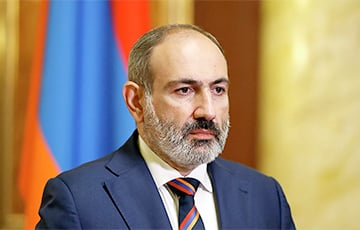
Armenia's prime minister predicted to Putin that the "end of the EAEU" was coming due to the trade war with Yerevan.
Russian bans on imports of Armenian products risk leading to the collapse of the Eurasian Economic Union (EAEU), said the republic’s Prime Minister Nikol Pashinyan. “The problem lies not with Armenia, but with the EAEU, because in reality, it turns out that the Eurasian Economic Union is paralyzed and not functioning. If this issue is not resolved in the near future, I predict that this will mark the beginning of the end for the EAEU,” Pashinyan noted (quoted by “Armenpress”).
He reported that he had made it clear to Russian President Vladimir Putin during a phone conversation on July 27 that he would continue to seek other partners. “Armenia has the legitimate right to seek alternatives for itself… We have charted this course and will follow it,” — Pashinyan assured, emphasizing that the era when the country had no choice “is over.” The prime minister also called the restrictions on the supply of Armenian goods to Russia unlawful and urged Putin to “take measures.” For his part, Putin again insisted that Armenia hold a referendum on joining the European Union or remaining in the Eurasian Economic Union. Pashinyan said that this issue would only become relevant after the republic officially applies for EU membership.
Russia has been systematically banning imports of products from Armenia since late May. Over the past two months, imports of flowers, fresh tomatoes, cucumbers, eggplants, potatoes, herbs, strawberries, cherries, grapes, pears, quinces, dried fruits, live fish, dairy products, mineral water, and alcohol have been restricted. The transit of all these goods through Russian territory to EAEU countries has also been banned.
The first restrictions were imposed ahead of the parliamentary elections in Armenia, which took place on June 7. After Pashinyan’s party won, the number of restrictions rose sharply. The country’s prime minister called the ban on the import of Armenian products into Russia politicized. Subsequently, Yerevan redirected some of the goods to other markets, including Europe.
At the same time, the EU allocated 34 million euros in emergency aid to Armenia and pledged to increase support to 50 million euros to “strengthen economic resilience” and reorient exports. The bloc also intends to exempt nearly 80% of Armenian goods from customs duties.

Bank's name: Bank Millennium S.A.
Address: ul. Stanislawa Zaryna, 2A, 02-593, Warszawa
IBAN: PL97116022020000000216711123
SWIFT: BIGBPLPW
Name of the account holder: Fundacja “KARTA ‘97”
Purpose/title of payment: Donation for statuary aims
You can contact us by the e-mail charter97@gmail.com