
Bloomberg: Putin Forced The Central Bank To Lower The Base Rate
2- 6.08.2026, 16:44
- 3,876
The war is undermining the independence of Russia's key financial institution.
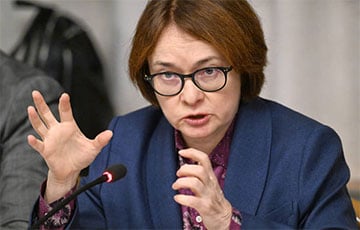
For many years, Russian dictator Vladimir Putin stayed out of Russia’s monetary policy and did not interfere with the Central Bank’s work, but the recent cut in the benchmark interest rate came under pressure, writes Bloomberg.
The agency notes that Putin publicly supported the head of the Central Bank of Russia Elvira Nabiullina, advocating for the Central Bank’s independence. He “almost never gave any indication of the direction in which borrowing costs should move.”
“It seems the situation has changed. Over the course of two weeks in July, the president twice signaled that the benchmark interest rate should be lower, making unusually direct comments on the eve of a monetary policy meeting,” the article states.
The central bank stated that last month’s decision to cut the benchmark rate by 25 basis points to 14% was made independently.
At the same time, Bloomberg notes that the bank’s leadership cut the rate without publishing the forecast data that had been a hallmark of Nabiullina’s tenure, which left investors without a clear picture of the future course of policy.”.
“This episode illustrates how more than four years of war in Ukraine have transformed Russian institutions,” the agency notes.
The Central Bank is increasingly operating in a system where political priorities are becoming harder to separate from monetary policy, as the Russian economy, under wartime conditions, is under strain due to slowing growth and massive government spending.
Nabiullina acknowledged that the Central Bank may temporarily exercise greater flexibility in achieving its long-term inflation target of 4%, although there is no official agreement on this matter, the agency reports, citing a source close to the Russian government.
Allowing inflation to exceed the target by one or two percentage points for a limited period would be undesirable but not critical, the source noted, comparing this approach to “slightly lifting the lid off a boiling teapot.”
In July, bank officials raised their year-end inflation forecast to 6–7%, compared with the April forecast of 4.5–5.5%. They also lowered their gross domestic product growth forecast for 2026 from 0.5–1.5% to 0–1%.
Data from the Federal State Statistics Service showed that the first weekly decline in gasoline prices this year contributed to Russia slipping slightly into deflation during the week ending August 3. However, according to estimates by the Ministry of Economy, annual inflation accelerated to 6.11% last week.

Bank's name: Bank Millennium S.A.
Address: ul. Stanislawa Zaryna, 2A, 02-593, Warszawa
IBAN: PL97116022020000000216711123
SWIFT: BIGBPLPW
Name of the account holder: Fundacja “KARTA ‘97”
Purpose/title of payment: Donation for statuary aims
You can contact us by the e-mail charter97@gmail.com