
A Swedish Photographer Captured Minsk As It Had Never Been Seen Before
3- 27.09.2026, 15:19
- 2,460
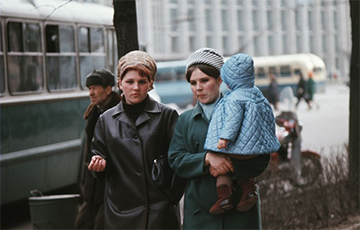
These unique photographs were taken half a century ago.
The website citydog.io has published a series of photos by a Swedish photographer. They’ve been circulating online for quite some time, but that’s the power of art: photos like these will never lose their relevance.
Who took these photos, and when?
A classic of Swedish photography, Georg Oddner (1923–2007). He used to be a jazz musician, and then fate took him to New York to work at an advertising agency—that’s how he became an assistant to the legendary Richard Avedon.
“[In the 1940s] I played in one of Sweden’s best jazz bands. Through my work, I met many interesting people, and one day I met the director of an advertising agency. He offered to take me with him to New York. And so we went.
I tracked down Richard Avedon, knocked on his door, and, even though my English left much to be desired, he hired me as his assistant. He was very kind and generous toward me. He introduced me to various famous people. That’s how I started my career with a camera.
I worked as Avedon’s assistant for a while, but then decided I wanted to return to Europe.”
Swedish on his father’s side and Russian on his mother’s, he first visited Belarus in 1955 while traveling with a tour group through the USSR. In addition to the capital of the Byelorussian SSR, his itinerary included the cities of Ashgabat, Alma-Ata, Bratsk, Bukhara, Volgograd, Donetsk, Irkutsk, Kyiv, Moscow, Novosibirsk, Odessa, Rostov-on-Don, Samarkand, Sochi, Tallinn, Tashkent, Tbilisi, Khabarovsk, and Yalta.
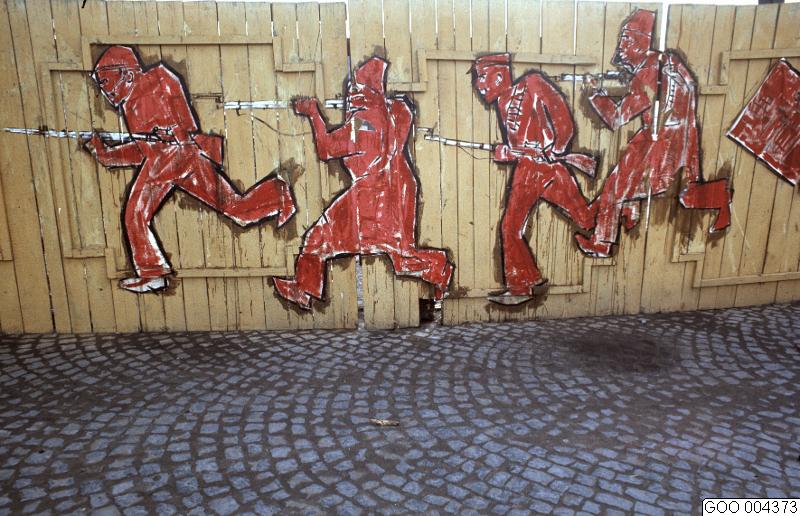
He visited the BSSR for the second time in 1967—the photographer stayed there for a full three months: it was then that he took a series of photographs of Minsk.
Oddner last visited Minsk in 2005, two years before his death, for the premiere of a documentary film about himself.
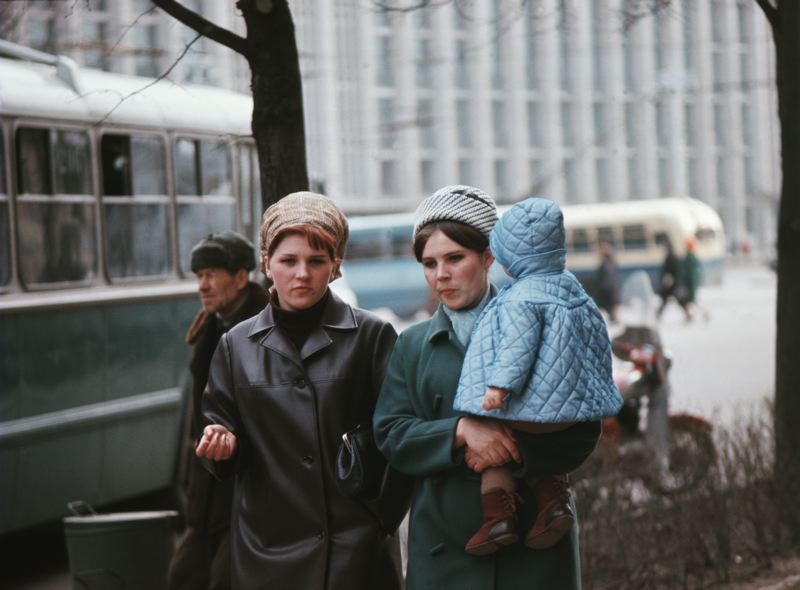
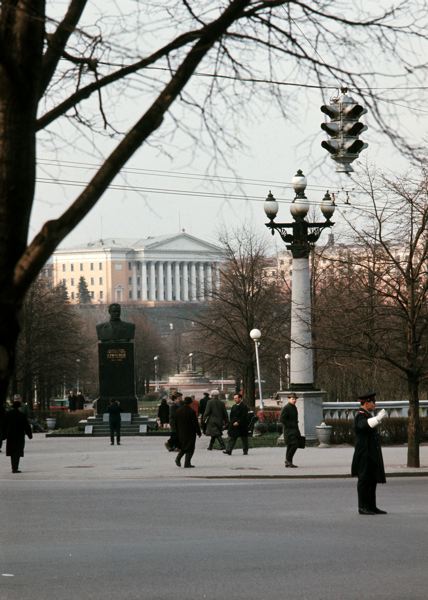
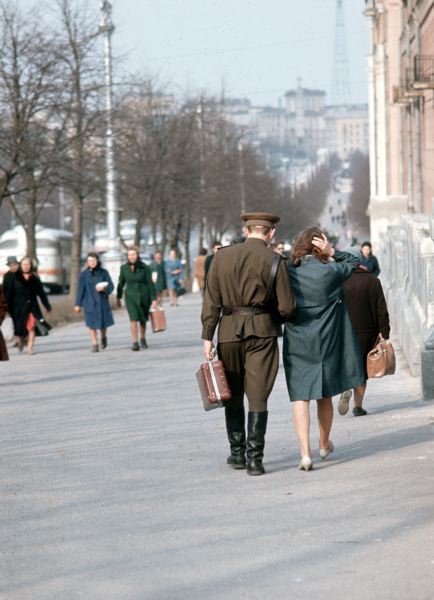
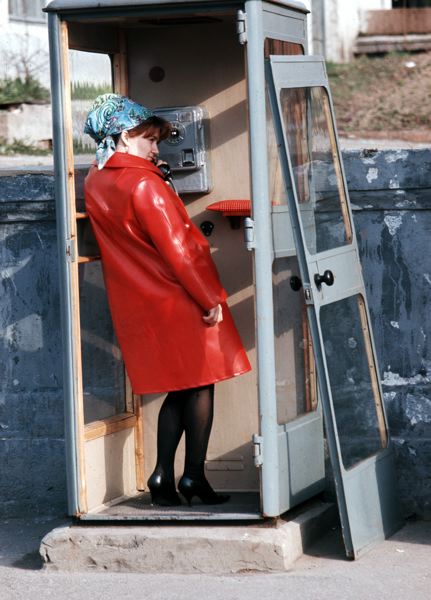
Minsk and its residents—half a century ago
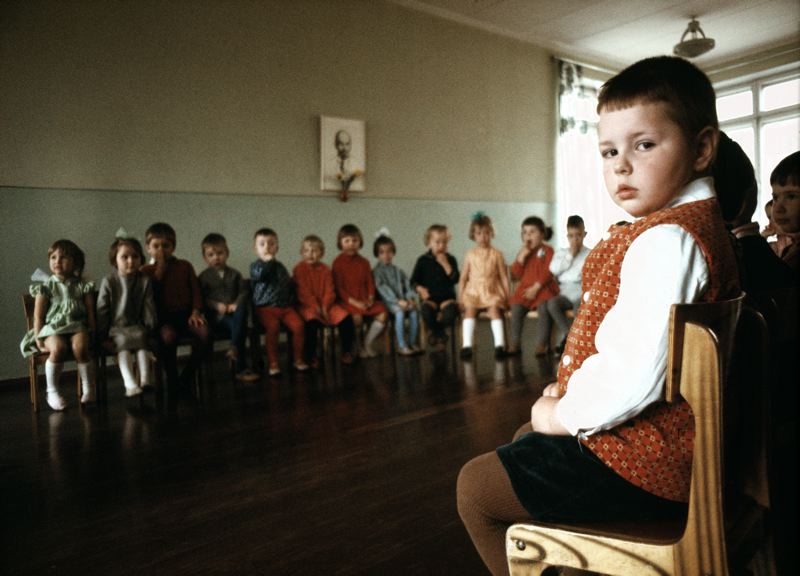
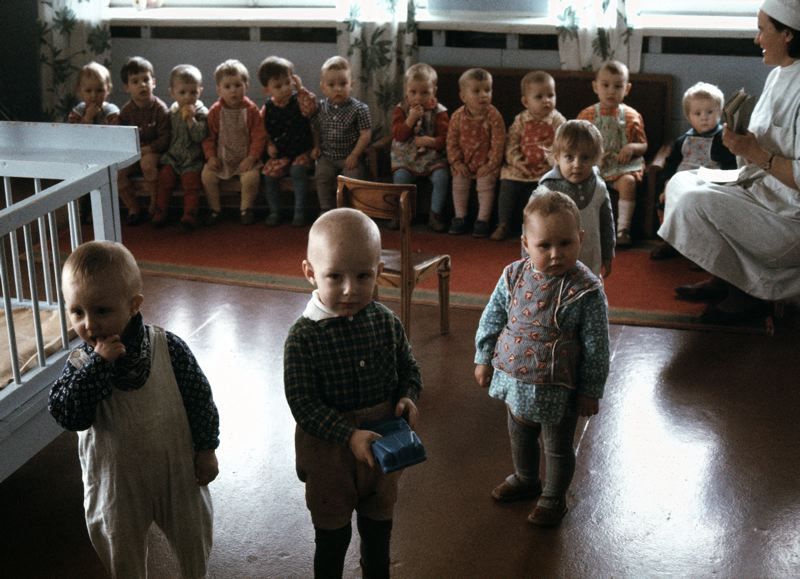
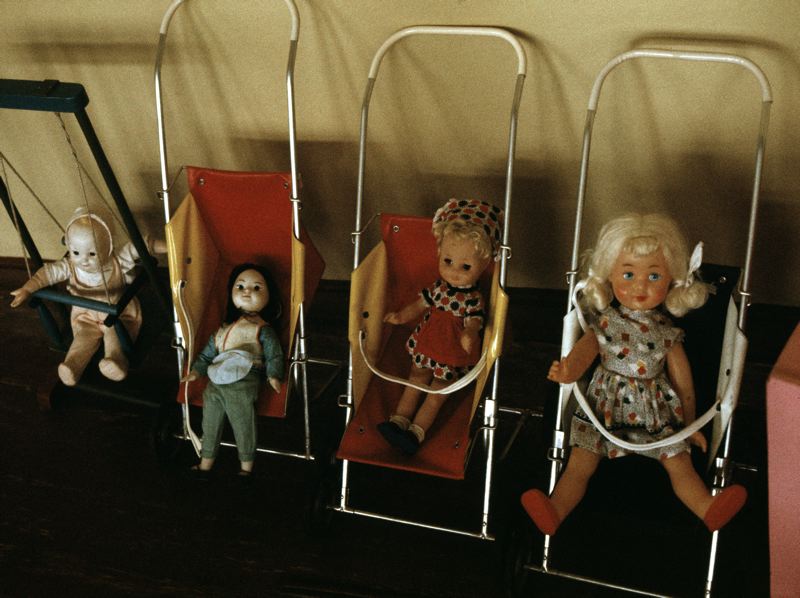
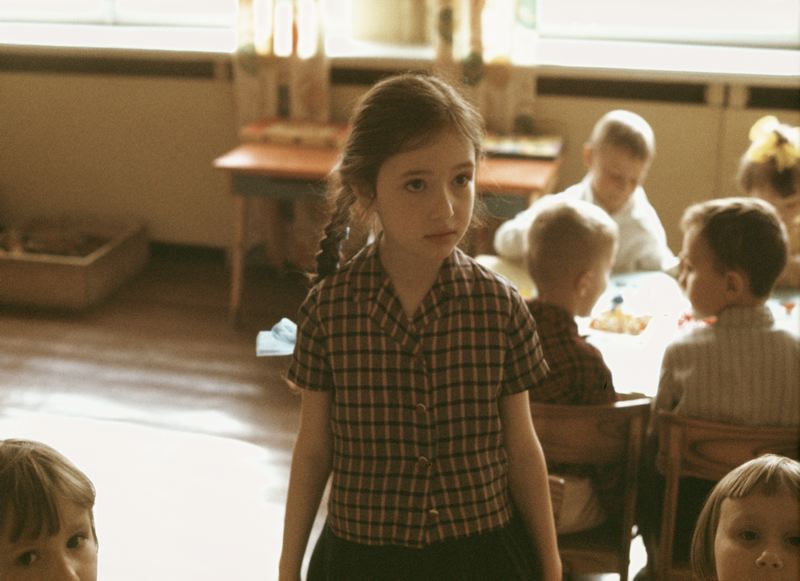
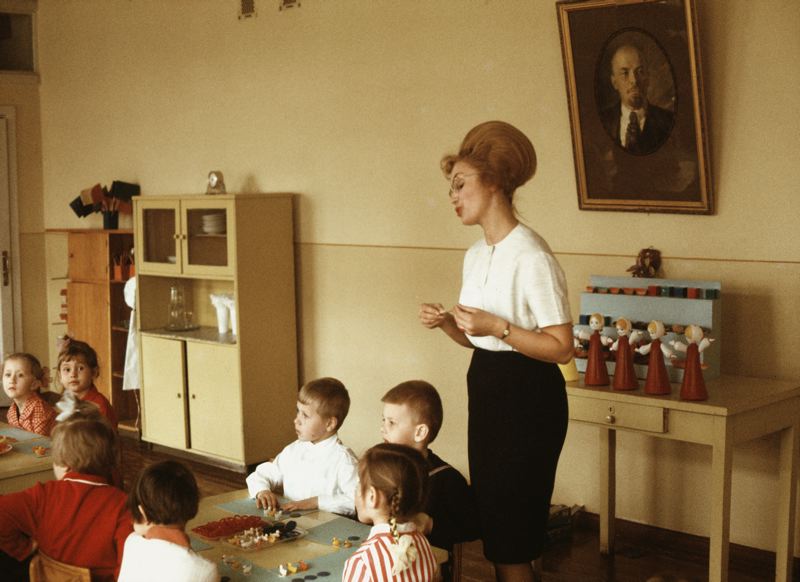
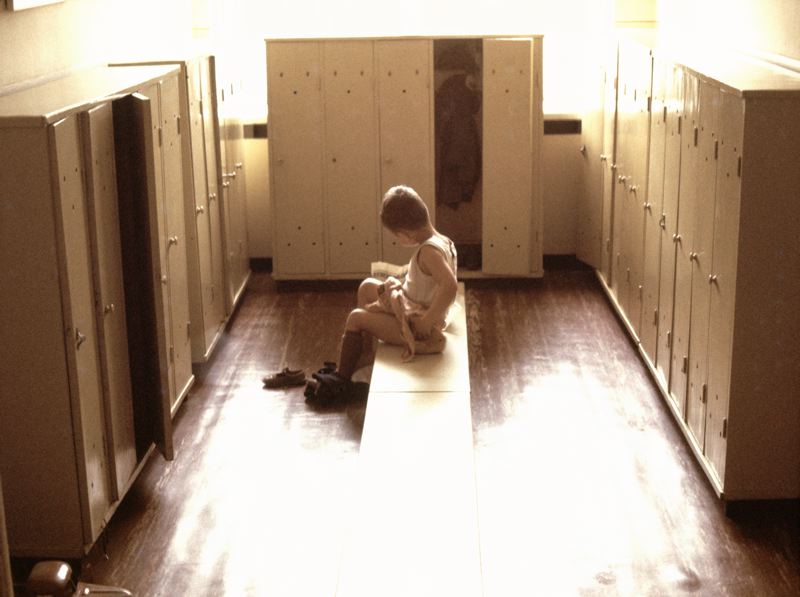
Oddner photographed ordinary Minsk residents on the city’s main streets, at factories, and also children—in regular kindergartens and orphanages.

Bank's name: Bank Millennium S.A.
Address: ul. Stanislawa Zaryna, 2A, 02-593, Warszawa
IBAN: PL97116022020000000216711123
SWIFT: BIGBPLPW
Name of the account holder: Fundacja “KARTA ‘97”
Purpose/title of payment: Donation for statuary aims
You can contact us by the e-mail charter97@gmail.com