


Scientists Are Closer To Bringing Mammoths Back To Life Using AI
- 27.09.2026, 16:12
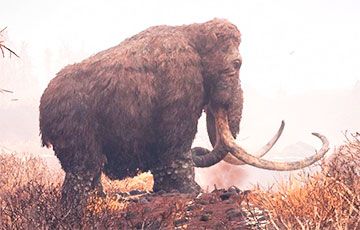
The initial experiments have already yielded an unusual result.
Researchers are using artificial intelligence and gene-editing technologies to create an animal that will resemble a woolly mammoth as closely as possible.
The woolly mammoth went extinct thousands of years ago. Now, the American company Colossal Biosciences is attempting to bring this animal back to life. The original plan was to “resurrect” the mammoth by 2028, but the project has been delayed. Now scientists are pinning their hopes on artificial intelligence to help solve this problem by the early 2030s, writes New York Post.
Colossal Biosciences is attempting to bring the woolly mammoth back to life using gene-editing technology and DNA extracted from mammoth remains found in the Siberian permafrost.
It is worth noting that scientists cannot produce an exact replica of the woolly mammoth. Therefore, they are working to create a cold-adapted Asian elephant that resembles a mammoth—that is, one covered in fur and possessing the characteristics of the extinct species.
The company had previously predicted that the first mammoth calves would be born in their laboratories as early as 2030, but the timeline for recreating these animals has now shifted. Colossal Biosciences CEO Ben Lamm stated that the first mammoth calves will be born in the early 2030s.
It turned out that the work of editing mammoth genes was more complicated than anticipated. Scientists had believed that editing about 60 genes would be sufficient to transform an elephant cell nucleus into a mammoth cell nucleus, from which an embryo could then be derived. Now, however, it has become clear that more than 150 genes will need to be modified.
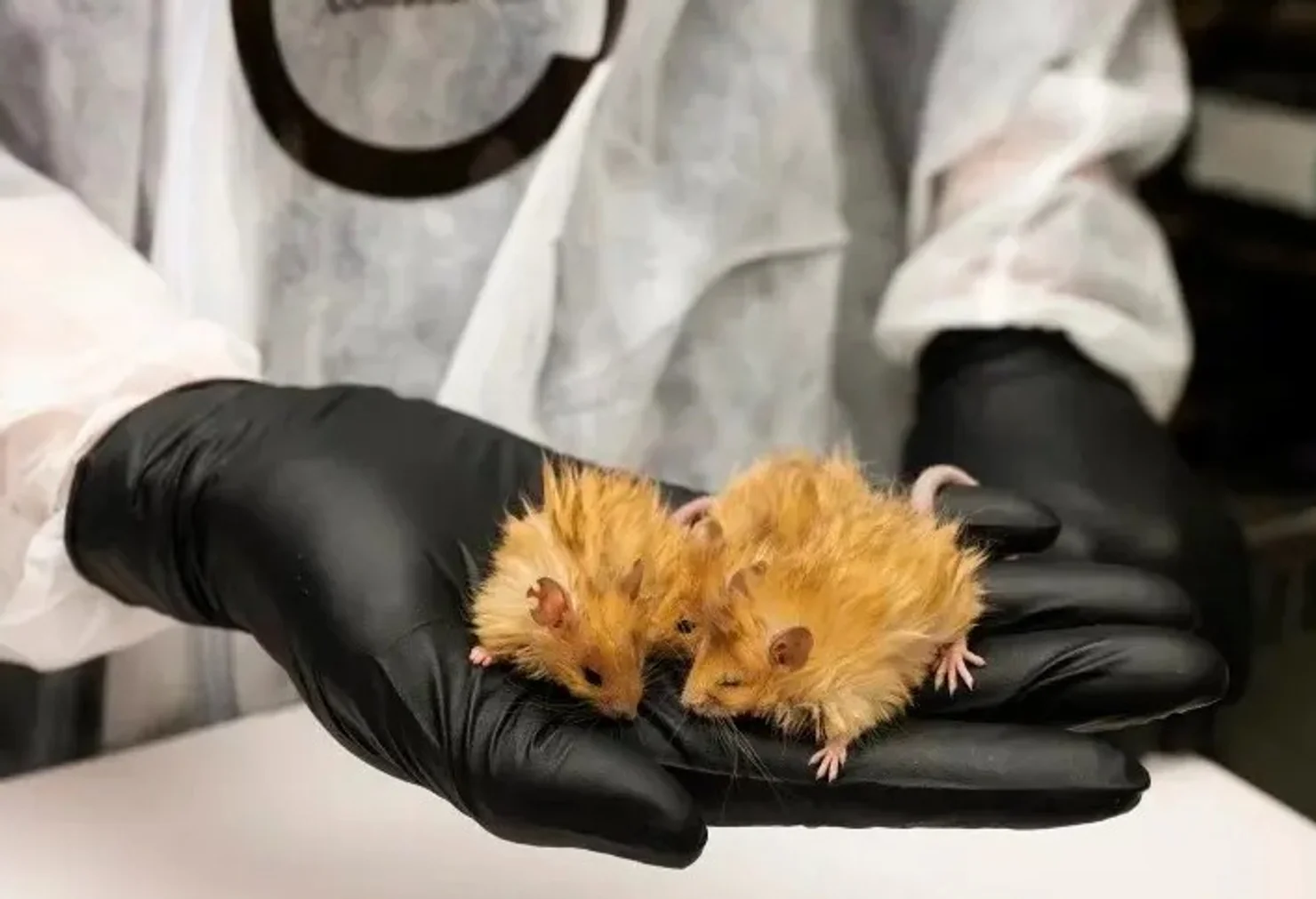
Artificial intelligence is helping researchers analyze genetic information and identify changes in DNA that may have contributed to the development of mammoth-like traits in the elephant. Colossal Biosciences has already achieved success by producing a group of 38 woolly mice created using the mammoth’s genetic code responsible for thick fur.
So far, there is no guarantee that scientists will succeed in reviving the extinct mammoth. If successful, an elephant with certain characteristics of the woolly mammoth may emerge. The question of whether such animals could survive in a suitable habitat remains open.
Colossal Biosciences uses artificial intelligence and CRISPR gene-editing technology in all of its projects, including attempts to revive extinct species such as the flightless dodo, the Tasmanian wolf, and the flightless moa.

Bank's name: Bank Millennium S.A.
Address: ul. Stanislawa Zaryna, 2A, 02-593, Warszawa
IBAN: PL97116022020000000216711123
SWIFT: BIGBPLPW
Name of the account holder: Fundacja “KARTA ‘97”
Purpose/title of payment: Donation for statuary aims
You can contact us by the e-mail charter97@gmail.com