

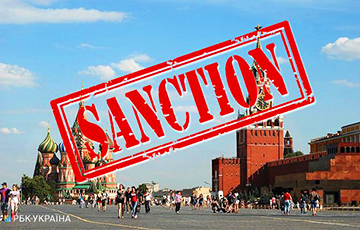
The Hague Awaits Violators Of Sanctions?
- 5.02.2024, 11:39
- 7,838
Interesting conclusion by the lawyers.
Why are sanctions against Russia imposed by the West being circumvented? What role does Lukashenka's regime play in this? Which European countries have turned out to be the leaders in violating the restrictive measures?
Experts from the Norwegian Helsinki Committee in co-operation with the Corisk risk analysis company, the Wikborg Rein law firm and the European Rud Pedersen consulting agency answer these questions in their report.
The experts handed over the report to the European Belarus civil campaign, which translated it from English into Russian. The Charter97.org website has studied the report and collected the most interesting facts.
The full version of the report can be read here.
The experts pay special attention to the possible responsibility of legal entities and individuals, who helped to circumvent the sanctions. The authors of the report mentioned the arrest warrant for Putin for crimes against humanity from the International Criminal Court, as well as other investigations into Russian Federation crimes.
"The arrest warrants and investigations are also relevant to companies that could become complicit in Russia's criminal actions if it is found that they actively aided and materially assisted in the commission of such crimes," the experts wrote.
It is possible that the actions of persons involved in violating sanctions against Russia will be considered as aiding and abetting Russia's military actions, hence its war crimes.
Experts believe that there have already been precedents when such actions led to liability. An illustrative example is the case against the French Lafarge company, which continued its activities in the regions seized by the ISIS terrorist organisation in 2013-2014. In 2016, the company was accused of financing terrorism and complicity in crimes against humanity (aiding and abetting).
Another example is the French prosecutor's office's investigation of BNP Paribas bank. In 2017, charges were brought against them for complicity in the genocide of Tutsis in Rwanda, specifically - $1.3 million was transferred by BNP Paribas Bank to a South African arms dealer to finance the purchase of weapons by those involved in the genocide, in violation of the UN arms embargo. It is alleged that BNP Paribas authorised the transfer of funds to the Hutu regime in June 1994. The case has not yet been decided.
There are also examples of verdicts against individuals found guilty of serious human rights violations as a result of violating sanctions.
A case in the Netherlands is one of the illustrative examples. A Dutch national was tried there for complicity in war crimes by selling arms to Liberia between 1999 and 2003. A violation of UN and EU sanctions was found.
The accused was the owner and president of two logging companies in Liberia. According to the prosecution, the accused was involved in the sale of arms to Liberia through his companies in violation of the arms embargo. He thereby became an accomplice to war crimes committed with those weapons. After several rounds of appeals, which resulted in a hearing before the Dutch Supreme Court, the man was finally found guilty in December 2018 (albeit in absentia, as he fled to South Africa) and sentenced to 19 years in prison for arms trafficking and complicity in war crimes because of his "active and conscious contribution to military operations."
Violating sanctions hurts companies' reputations as well. In August 2023, a leading Western news outlet reported that German components had been found in a Russian missile that had killed 23 Ukrainian civilians months earlier, which forced the CEO of the manufacturing company to pay attention to the possible repercussions for the company.
An investigation could be launched against any company. The media, civil society organisations, which have more and more sophisticated tools to uncover corporate activities in investment or trade, can intervene at any time.
Reputation not only attracts or repels customers, but also determines whether a company can attract talented employees in the future. Moreover, depositors, investors and shareholders are paying more and more attention to the reputation of companies, their standards of ethics and compliance with legislation.
The prolonged presence in the Russian market has caused significant difficulties for Western corporations. Companies have come under pressure and have been forced to withdraw, at the same time risking unfair or violent takeovers of their assets by Russia, as happened to Danone and Carlsberg.

Bank's name: Bank Millennium S.A.
Address: ul. Stanislawa Zaryna, 2A, 02-593, Warszawa
IBAN: PL97116022020000000216711123
SWIFT: BIGBPLPW
Name of the account holder: Fundacja “KARTA ‘97”
Purpose/title of payment: Donation for statuary aims
You can contact us by the e-mail charter97@gmail.com