
The Crisis In Poland Surrounding The Constitutional Tribunal: What We Know
- 31.10.2026, 9:11
- 3,986
President Karol Nawrocki cut short his visit to Senegal and returned to the country on short notice.
A judge of the Polish Constitutional Tribunal announced the suspension of the tribunal’s president and vice president. Protests then broke out, and President Navrotsky returned to the country on an emergency basis. The publication delfi.lt published the key facts about the events unfolding in Poland.
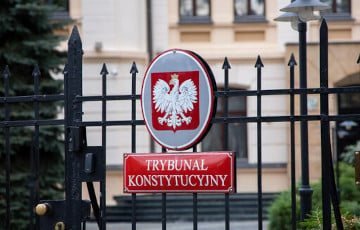
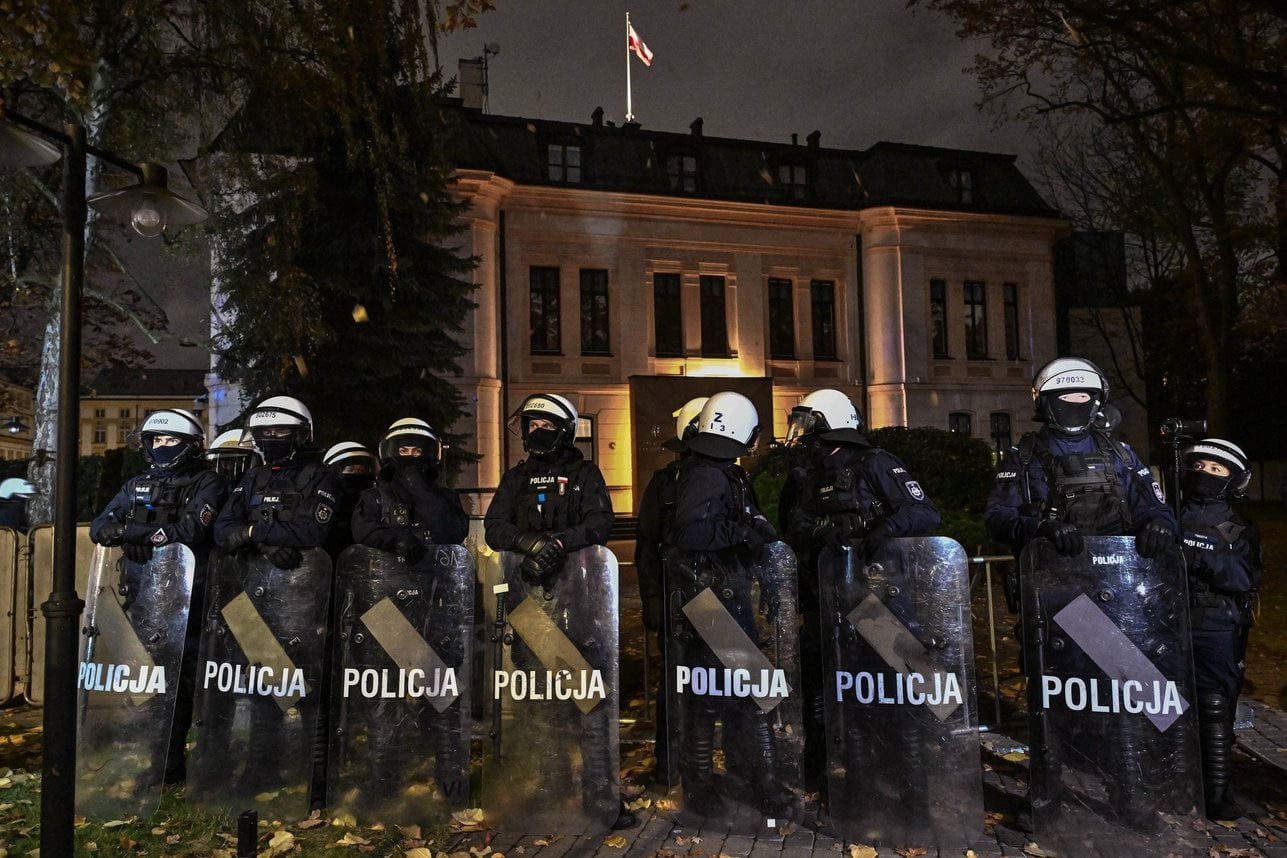
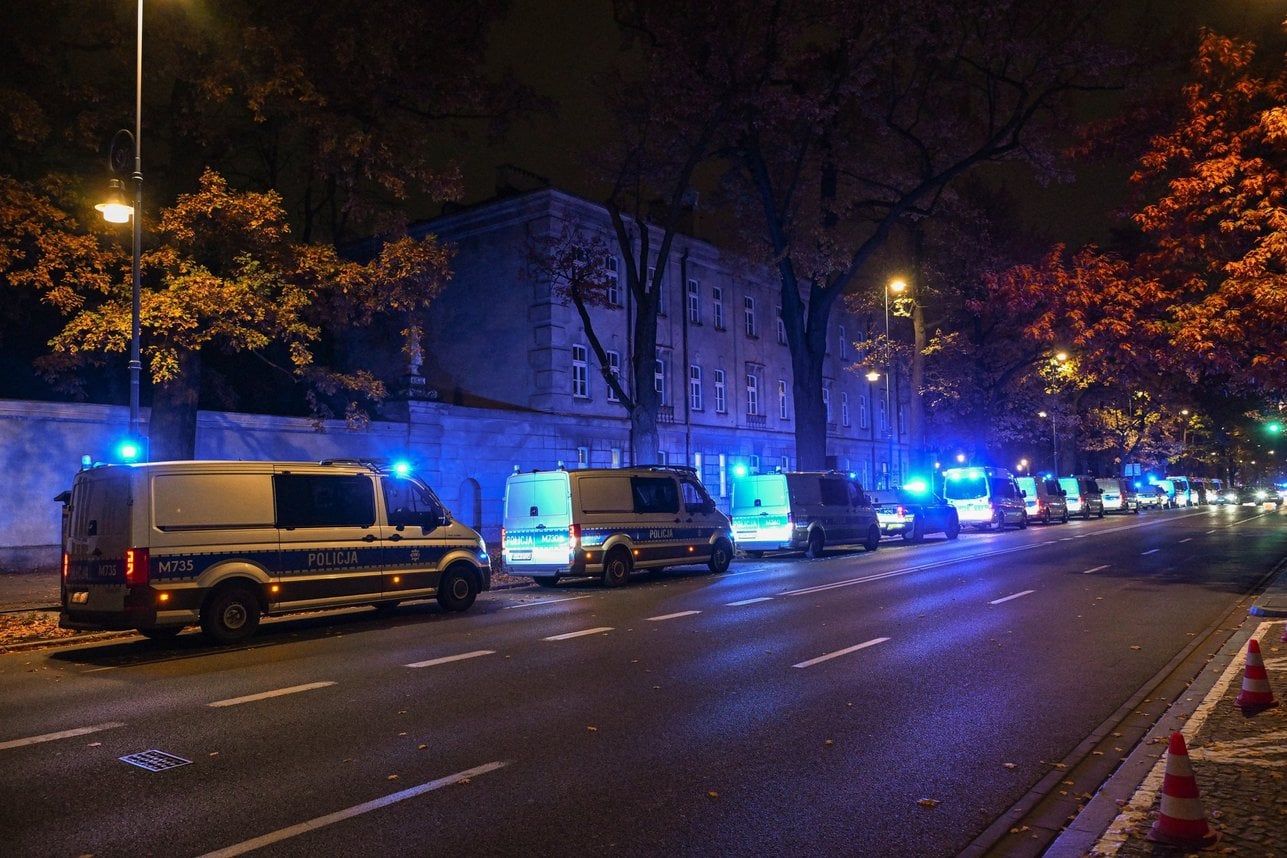
In Warsaw, police cordoned off the country’s Constitutional Tribunal building, while demonstrators gathered around it—this occurred after one of the tribunal’s 15 judges—Anna Korwin-Piotrowska — decided to suspend Bogdan Swięczkowski, the president of this state body, and Bartłomiej Sohanski, the vice president, from their duties for one month.
Her decision was published on the tribunal’s website on the evening of Friday, October 30. The document states that, among other things, both officials prevented judges—who were appointed by the Sejm (parliament) in 2026 and had taken the oath of office—from participating in the adjudication of cases.
Korwin-Piotrowska justified her right to make this decision by citing the 2016 law on the organization and procedures of the tribunal, which grants this authority to the judge with the longest tenure. She also announced that a general meeting of the tribunal’s judges would be held on November 3.
At the same time, a post on this government agency’s page on the social network X reported an “illegal takeover” of the website. “The President of the Tribunal remains Bogdan Svenchkovsky, and his deputy is Bartłomiej Sokhansky. Anna Korwin-Piotrowska is not a judge of the Constitutional Tribunal. All individuals involved in these actions are committing a crime—a coup d’état,” the post states.
The Tribunal’s website states that the government agency’s account on X is not affiliated with it.
Sohanski also spoke out about the “coup d’état”
“I have no idea what this is all about. Ms. Anna Korwin-Piotrowska called me and said that she is now in charge of the tribunal. I don’t know anything else,” said the suspended vice-chairman, Sohanski, in a comment to the newspaper Rzeczpospolita.
According to him, what happened is “something completely unheard of.” “I have never heard of any allegations against me. I am not aware of anyone having the authority to remove me from office. I do not know of any legal provision that would permit such interference with the independence of the tribunal or an individual judge. A coup d’état is taking place,” emphasized Sokhansky.
Tusk supported the events unfolding; Nawrocki entered the tribunal building
Polish Prime Minister Donald Tusk, who, along with the Sejm, is in opposition to the incumbent president Karol Nawrocki, supported the temporary suspension of the Constitutional Tribunal’s leadership.
“Restoring the rule of law is our duty. After many long years of lawlessness under the Law and Justice (PiS) party in power, this is a difficult, at times painful process that requires decisive action. There is no other way,” he wrote on his X page.
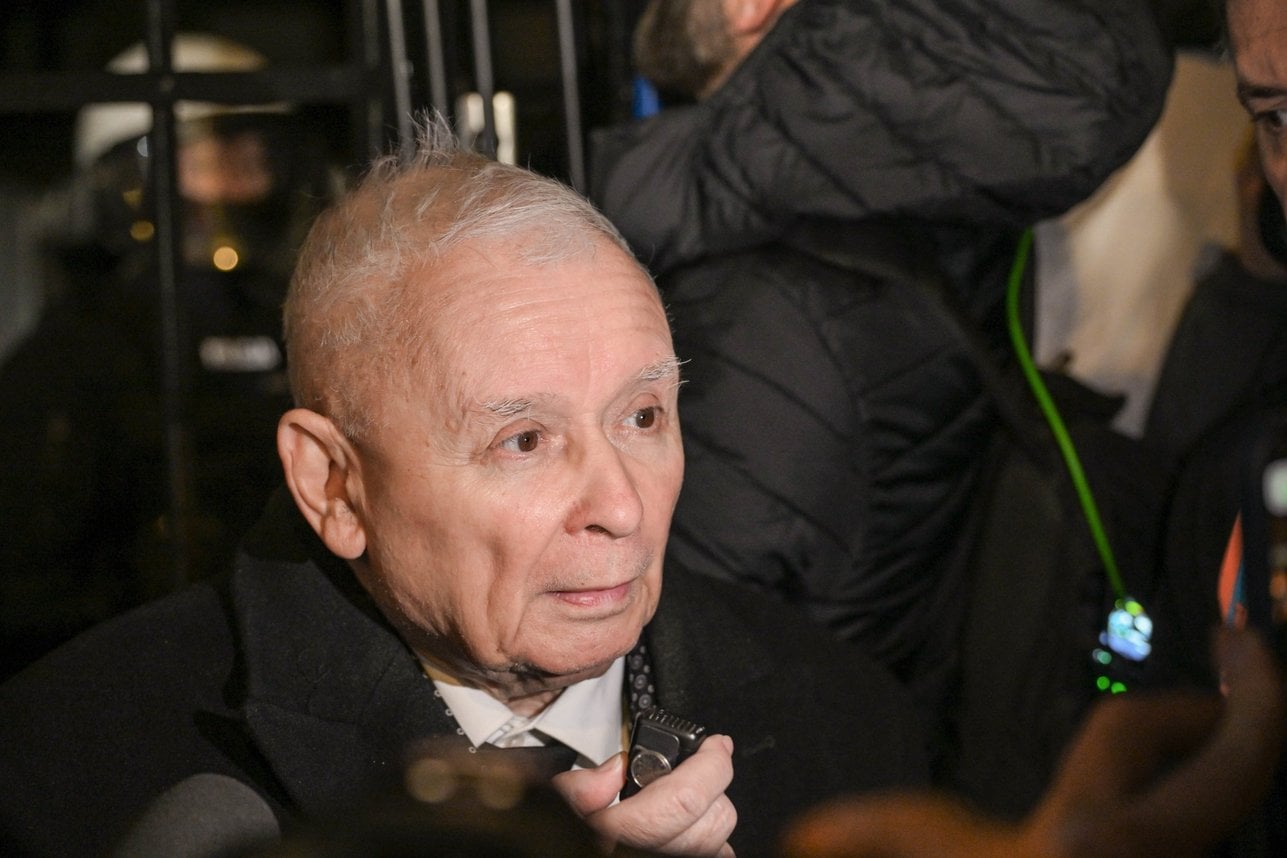
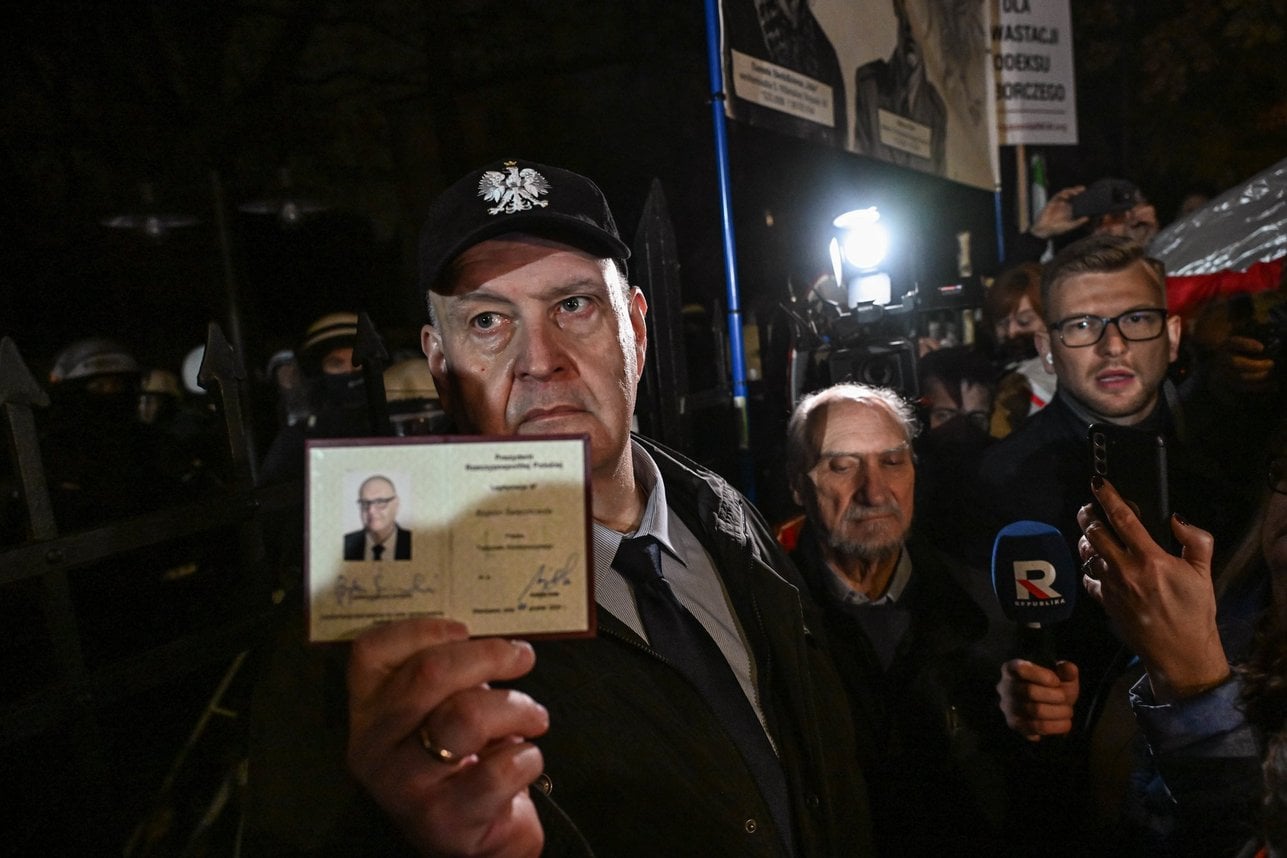
Navrotsky himself, who was en route to Senegal on the evening of October 30, stated that he had turned the plane around due to the events unfolding around the tribunal. He has already returned to Poland, held meetings with the suspended chairman, Swięczkowski, and the First President of the Supreme Court Zbigniew Kapinski, after which he entered the tribunal building together with Kapinski. This was reported by the head of the President’s Office Pawel Shefernaker.
Navrotski entered the tribunal building despite the fact that Korwin-Piotrowska was prepared to meet with the head of state only at the Presidential Palace. Constitutional Tribunal Judge Maciej Berek, who was elected by the Sejm but barred from taking the oath by Navrotski, stated that the president, in attempting to enter the building, “chose the path of physical confrontation” with Korwin-Piotrowska. “Individuals who identified themselves as ‘staff of the President’s Office’ attempted to seize the keys to the Constitutional Tribunal’s premises,” he added.
Statement from the Warsaw Police
The Warsaw Police, commenting on the events of the evening of October 30, stated that they had received a request from Prosecutor General and Minister of Justice Waldemar Żurek asking them to pay special attention to ensuring the security of the Constitutional Tribunal during the protests taking place around the government building.
In addition, law enforcement simultaneously received a letter from one of the tribunal’s judges regarding a “potential threat to life and health.” In response, the police cordoned off the building.
It is noted separately that law enforcement officers are not inside the building. Police stated that protesters were throwing “dangerous objects” at them. Three demonstrators who climbed over the fence and entered the tribunal’s grounds have been detained.
The conflict surrounding the tribunal in Poland had been brewing for several months
The conflict surrounding Poland’s Constitutional Tribunal—rooted in the standoff between Donald Tusk’s government and Karol Nawrocki’s “Law and Justice” party—has been ongoing for several months.
It began when the Polish president refused to administer the oath of office to new judges elected by the newly constituted parliament. The tribunal’s president, Swieczkowski, also refused to recognize their authority or allow them to hear cases. The government, however, considers the tribunal illegitimate because it still includes judges appointed by the previous administration.
The ruling coalition and the judges who support its position view Navrotski’s actions as an illegal obstruction of a government agency’s work.
In addition, on October 30, Minister of Justice and Prosecutor General Żurek stated that he had filed five motions with the Constitutional Tribunal to lift immunity. He explained that these motions specifically concern Chairman Svenchkovsky and his deputy, Sokhansky.

Bank's name: Bank Millennium S.A.
Address: ul. Stanislawa Zaryna, 2A, 02-593, Warszawa
IBAN: PL97116022020000000216711123
SWIFT: BIGBPLPW
Name of the account holder: Fundacja “KARTA ‘97”
Purpose/title of payment: Donation for statuary aims
You can contact us by the e-mail charter97@gmail.com