


U.S. Civil Aviation Has Experienced The Largest Wave Of Flight Cancellations In 25 Years
- 14.11.2026, 11:26
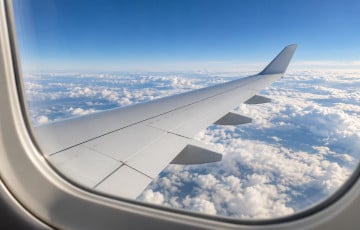
The disruption affected hundreds of thousands of passengers in various states.
On the evening of November 13, the U.S. Federal Aviation Administration (FAA) lifted nationwide flight ban after a four-hour suspension that disrupted thousands of flights and affected hundreds of thousands of passengers across various states. The U.S. airline industry will continue to experience delays this weekend, warns Bloomberg. The disruption was the largest of its kind in the United States since the events of September 11, 2001.
U.S. aviation authorities decided to completely suspend flights at approximately 3:54 p.m. Eastern Time (11:54 p.m. in Minsk). The cause was a data overload that paralyzed communications and the operation of radars and communication systems at all 22 regional air traffic control centers. Switches and routers (the system relies heavily on equipment and copper lines from the 1980s) became overloaded with data and began to output incorrect information. The decision to cancel flights affected approximately 10,000 flights and impacted about 1.5 million passengers—counting only those whose flights were canceled rather than delayed, CNN notes.
Approximately 4,000 planes already in the air over the United States were allowed to complete their flights as scheduled. International arrivals were handled on a case-by-case basis, according to NBC News.
Available data on the incident do not yet point to a cyberattack, problems with artificial intelligence, or “malicious actions” by any foreign state, U.S. authorities have assured. “We have an incredibly outdated air traffic control system. Our routers became overloaded […] and began to output inconsistent data. Because of this, we shut down the system,” explained U.S. Secretary of Transportation Sean Duffy. Duffy acknowledged, however, that experts will need “some time” to fully understand the nature of the incident.
The November 13 outage has intensified the debate within the U.S. over the modernization of the communications and control systems necessary for the country’s air traffic. According to current plans, the FAA is scheduled to complete the first phase of the process by the end of 2028. However, the U.S. Government Accountability Office (GAO) has warned that inadequate planning increases the risk of delays, leaving the industry dependent on outdated systems prone to failures, Reuters noted in this regard.

Bank's name: Bank Millennium S.A.
Address: ul. Stanislawa Zaryna, 2A, 02-593, Warszawa
IBAN: PL97116022020000000216711123
SWIFT: BIGBPLPW
Name of the account holder: Fundacja “KARTA ‘97”
Purpose/title of payment: Donation for statuary aims
You can contact us by the e-mail charter97@gmail.com