


The Key Secrets To Japanese Longevity Have Been Revealed
1- 27.11.2026, 17:17
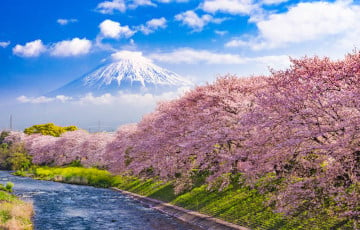
Many of these habits are easy to pick up.
Japan leads the world in life expectancy, and many of its residents live to be 100 years old, remaining healthy and mentally sharp. There’s no magic formula here: Vogue magazine attributes Japanese longevity to a combination of diet, lifestyle, and philosophy. Some factors, such as advanced medical care, depend on the government. But there are quite a few Japanese habits you can adopt on your own.
According to Vogue, there are 14 such habits, and even incorporating just some of them into daily life will make a person noticeably happier and healthier.
Secrets of the Japanese Diet
The first one concerns eating: the Japanese don’t eat until they’re full, but satisfy their hunger to about 80%. This makes it easier to avoid weight gain and not overload the stomach. They start their day early and align their schedule with the sun, which gives them energy and lifts their spirits. A traditional breakfast consists not of a single dish but of several small portions: rice, miso soup, vegetables, fish, and pickles. In Japanese, such a breakfast is literally called “morning rice.”
The Japanese drink green tea several times a day. This beverage helps maintain heart health, supports brain function, and aids digestion. Miso—a paste made from fermented soybeans—is considered beneficial for gut health and the immune system. You don’t have to follow this rule to the letter: any kind of pickled vegetables in your diet will suffice.
Restful sleep and daily physical activity
The Japanese don’t sleep in beds, but on futons—thick cotton mattresses laid out on the floor. According to the publication, sleeping on the floor in a darkened and well-ventilated room promotes good posture, restful sleep, and a refreshed awakening. Before bed, the Japanese always take a warm bath: it relieves the day’s tension and improves sleep. Japanese socks with a separate toe box for the big toe improve blood circulation and relieve foot pain.
The Japanese lead very active lives. They walk and ride bicycles even in old age, and in the mornings, the entire country does exercises to the “Radio Taiso” program. Many elderly Japanese tend gardens: this helps them relax and stay connected to nature. Frequent meditation may also explain Japanese longevity. They don’t need any special technique—it’s enough to relax and listen to their bodies.
The Philosophy of a Happy and Long Life
The rest of their habits are tied to their attitude toward life. The Japanese engage in the arts for pleasure, not for money or success. Another Japanese concept, “kansha,” refers to inner gratitude. The Japanese make it a habit to say “thank you” every day to a bowl of rice, their own bodies, and the things in their homes—all to learn to find joy in simple things.
Finally, ikigai is the meaning of life and the satisfaction derived from each day lived—the reason you want to wake up in the morning. Everyone must find their own ikigai: in a favorite hobby, caring for loved ones, or helping others.

Bank's name: Bank Millennium S.A.
Address: ul. Stanislawa Zaryna, 2A, 02-593, Warszawa
IBAN: PL97116022020000000216711123
SWIFT: BIGBPLPW
Name of the account holder: Fundacja “KARTA ‘97”
Purpose/title of payment: Donation for statuary aims
You can contact us by the e-mail charter97@gmail.com