


Rosneft CEO Informed Putin Of An "Unprecedented" Number Of Damaged Refineries
4- 24.06.2026, 13:36
- 4,116
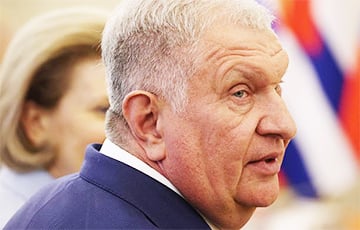
Photo: Getty Images
Low-quality petroleum products could flood the market.
Rosneft CEO Igor Sechin reported to Vladimir Putin on “an unprecedented number of damages” to Russian oil refineries as a result of Ukrainian strikes and presented measures to stabilize the domestic fuel market. Kommersant obtained a copy of the letter that Sechin sent to the head of state in late May. Putin instructed Deputy Prime Minister Alexander Novak to review the initiatives and “report” on the decisions made.
In his letter, Sechin proposed that Putin suspend the exchange sales quotas for producers of Euro-5-grade gasoline and diesel fuel until refinery capacity is fully restored. Currently, they are required to sell 15% of their gasoline and 16% of their diesel fuel on the exchange. Instead, the head of Rosneft believes it is necessary to require all oil companies to supply at least 30% of their crude oil for domestic refining, and to require fuel producers with “lower quality specifications” — to sell their entire output on the exchange. This refers to refineries that the government has authorized to produce “Euro-5” grade gasoline according to “Euro-3” standards—with a higher sulfur content.
At the same time, Sechin noted that currently 80% of buyers on the exchange are resellers who “maximize their profits,” and there is no oversight of their off-exchange sales. According to him, end consumers should be given priority access to purchasing fuel on the exchange. In addition, the head of Rosneft proposed changing the procedure for calculating fuel supply quotas on the exchange for vertically integrated oil companies, taking into account the needs of their gas station networks, as well as government-contracted supplies and those for essential services.
Priority access for end consumers to fuel on the exchange seems like a logical initiative, but its implementation may face a number of challenges, noted a Kommersant source in the industry. According to the source, it is unclear how to determine the status of such a consumer, since many independent gas station chains purchase fuel through traders within their corporate groups, and this fuel is supplied not only to their own gas stations but also resold on the wholesale and retail markets. Thus, the source emphasized, the main objective—directing exchange-traded gasoline volumes specifically to gas stations—remains unaddressed.

Bank's name: Bank Millennium S.A.
Address: ul. Stanislawa Zaryna, 2A, 02-593, Warszawa
IBAN: PL97116022020000000216711123
SWIFT: BIGBPLPW
Name of the account holder: Fundacja “KARTA ‘97”
Purpose/title of payment: Donation for statuary aims
You can contact us by the e-mail charter97@gmail.com