


An Emergency Shutdown Of The Reactors Occurred At Western Europe's Largest Nuclear Power Plant
- 11.08.2026, 16:29
- 2,276
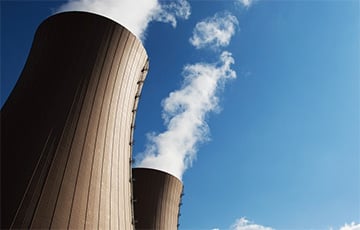
The cause was a jellyfish infestation.
A massive influx of jellyfish into the filtration systems at the French nuclear power plant in Gravelines forced the operator, EDF, to shut down three reactors and reduce the output of the fourth, according to BFMTV.
A massive influx of jellyfish into the seawater pumping stations at the Gravelines nuclear power plant forced EDF to shut down three reactors on Monday, the company announced on its website on Tuesday.
Reactors Nos. 2, 3, and 4 were shut down, and the output of Unit No. 1 was reduced to 50%. Currently, only Reactor No. 6 is operating at full capacity, while Reactor No. 5 is undergoing scheduled maintenance, EDF noted.
“This situation has no implications for the safety of the facilities, personnel, or the environment,” EDF assured.
Exactly one year after a similar incident that paralyzed the plant’s operations for 48 hours, this sudden shutdown occurred despite the company’s announced強化 of monitoring systems. Rising ocean temperatures and overfishing are contributing to the summer breeding of these marine animals along the coast.
Gravelines, Western Europe’s largest nuclear power plant, located on the North Sea coast, had already faced this same problem exactly one year ago. At that time, the incident caused four of its reactors to shut down automatically, and they were restarted gradually: the last reactor was reconnected to the national power grid only about ten days later.
The appearance of jellyfish on the northern coast of France is a common and seasonal occurrence. However, according to an expert interviewed last year, reports of large jellyfish swarms in this area are becoming increasingly frequent every summer. The global spread of jellyfish is attributed to several factors. Among them is rising ocean temperatures linked to climate change.
This incident occurred as France’s nuclear power plants had already reached record levels of downtime due to drought and heat: according to calculations based on data published by EDF since 2015, the electricity shortage stood at 15.6% on Sunday. In other words, France has never before faced such a significant loss of nuclear power due to rising river temperatures and reduced water flow.
Meanwhile, Romania’s only nuclear power plant, located in Cernavodă, may be shut down completely on the morning of August 13—due to the inability to operate it safely because of low water levels in the Danube.

Bank's name: Bank Millennium S.A.
Address: ul. Stanislawa Zaryna, 2A, 02-593, Warszawa
IBAN: PL97116022020000000216711123
SWIFT: BIGBPLPW
Name of the account holder: Fundacja “KARTA ‘97”
Purpose/title of payment: Donation for statuary aims
You can contact us by the e-mail charter97@gmail.com