

Dozens Of Settlements Have Been Liberated: Details Of A Secret Ukrainian Armed Forces Operation
- 13.08.2026, 18:45
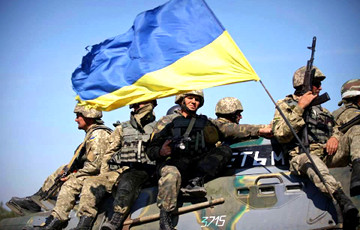
Ukraine's counteroffensive began back in February.
The offensive by the Ukrainian Defense Forces, during which 26 settlements were liberated, was conducted under the strictest secrecy.
Renowned OSINT expert and military analyst Klemens Molin explained exactly what was happening on this section of the front.
As expected, @Deepstate_UA and other Ukrainian 🇺🇦 media outlets reported on the liberation of multiple villages
Despite many "analysts" doubting OPSEC, not much information leaked from this offensive. So, let’s take a closer look to understand what happened
🧵THREAD🧵⬇️ pic.twitter.com/Sy2cYxiZy3
— Clément Molin (@clement_molin) August 12, 2026
According to him, the Ukrainian Defense Forces’ first counterattacks in the Pokrovsk area began as early as the beginning of February—at that time, Ukrainian units cleared several settlements that had previously been overrun by Russian troops. Even then, the direction the situation was taking could be determined by the traces of artillery strikes in the snow. By February 21, it became apparent that Russian artillery had been pushed far back: more than 10 kilometers from the front line, its impact was practically undetectable.
On March 10, a video emerged showing a mechanized assault by Ukrainian forces on occupied settlements located far from the front line known at that time—this marked the second phase of the operation. In late March, Ukrainian airborne assault units advanced further north toward Ivanivka — Komara, and in April–May they shifted to a slow and nearly imperceptible offensive using small groups, which is why very little video footage emerged.
The first results of this phase became apparent in May, although video evidence remained scarce. A more complete picture emerged by mid-June thanks to additional data—satellite imagery and information from sources. At the same time, Russian units attempted to confuse the information landscape with staged videos of flag-raising ceremonies, seeking to conceal the true state of affairs from both the enemy and their own command.
Molin noted that the operation was difficult to track precisely because of the lack of information: Russian units on the ground were concealing the real situation, while Ukrainian units maintained almost complete media silence—with the exception of the “Skala” unit.
The expert explained why operational security is so important in such cases: as soon as open-source analysts begin to publicly discuss what is happening, research centers and journalists jump on the topic and start actively seeking additional information. This can draw attention to a situation that the enemy’s regional commander had simply not noticed before.
According to Molina, the offensive itself is not large-scale and is unfolding on a secondary section of the front—there is nothing fundamentally new about this. But thanks to it, individual Ukrainian units managed to strike at five Russian armies and slow down the offensive on Huliaipole, while simultaneously applying pressure across a broad section of the front.
Molin emphasized: it is important to understand that the main battles are still ahead. Fighting for Komar and Uspenivka may or may not begin, but the principle of operational security will apply here as well—which is why very little information may become available in the coming months. According to him, this does not mean at all that nothing is happening on the front.

Bank's name: Bank Millennium S.A.
Address: ul. Stanislawa Zaryna, 2A, 02-593, Warszawa
IBAN: PL97116022020000000216711123
SWIFT: BIGBPLPW
Name of the account holder: Fundacja “KARTA ‘97”
Purpose/title of payment: Donation for statuary aims
You can contact us by the e-mail charter97@gmail.com