


The U.S. Congress Was Flooded With Laws Written By AI
- 18.08.2026, 13:31
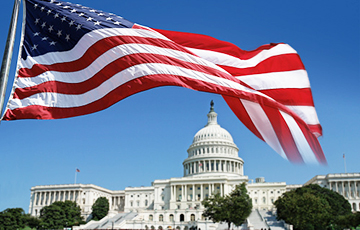
Congressional lawyers are struggling to keep up with the flood of proposals.
Artificial intelligence (AI) tools are becoming increasingly widespread, and they have now even made their way into the legislative process in the United States. Congressional lawyers are struggling to keep up with the flood of AI-generated legislative proposals, many of which are riddled with errors and contain sloppy wording, according to Politico.
The workload at the Office of Legal Counsel (OLC) of the House of Representatives is growing as more and more members of Congress and outside organizations turn to generative AI to draft legislative proposals, eight current and former OLC staff members told the publication. But given the AI’s errors, the OLC now spends “more time correcting bills drafted with its help than it would take to draft them from scratch,” one of the sources complained.
The consequences can be quite serious, Politico notes, ranging from delays in the legislative process to the risk of lawsuits due to incorrectly cited statutes or inaccurate legal definitions. “AI is good at many things,” says Daniel Schuman, executive director of the nonprofit American Institute of Public Administration. “But it is not capable of drafting bills that we would want to pass as laws.”
According to Shuman, AI tools lack the attention to legal subtleties and understanding of nuances necessary for drafting legislation.
The process of drafting legislation is rife with critical details that can confuse artificial intelligence, say people familiar with AI tools and the workings of Congress. “AI will miss such nuances,” such as the description of certain financial amounts as “a tax credit, tax deduction, exclusion from the tax base, or grant,” notes Wade Barlow, who headed the OLC from 2016 to 2024.
AI-generated bills may also incorrectly cite previous laws, adds lawyer and technology expert Ari Hershowitz, who helped integrate technological tools into the OLC’s workflows:
This is a surefire way to introduce thousands of errors into our legal system.
Nevertheless, staff members on House congressional teams, lobbyists, and other organizations involved in legislative initiatives are increasingly using AI in their day-to-day work, four congressional staffers involved in drafting bills told Politico.
However, “you can’t pass the buck to a chatbot” for introduced bills—a responsibility that rests with members of Congress and their staff, according to Norma Torres, a member of the House Committee on Administrative Affairs.

Bank's name: Bank Millennium S.A.
Address: ul. Stanislawa Zaryna, 2A, 02-593, Warszawa
IBAN: PL97116022020000000216711123
SWIFT: BIGBPLPW
Name of the account holder: Fundacja “KARTA ‘97”
Purpose/title of payment: Donation for statuary aims
You can contact us by the e-mail charter97@gmail.com