

Russia Has Reported A New Wave Of Rising Gasoline Prices
1- 20.08.2026, 13:40
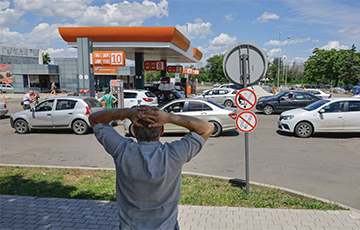
Fuel inflation has begun to accelerate again.
After two weeks of decline, fuel inflation in Russia began to accelerate again. During the week of August 11–17, average retail prices for gasoline in Russia rose by 0.5%, reported Rosstat.
According to its data, on average nationwide, gas stations sold a liter of AI-92 for 72.49 rubles, AI-95 for 78.58 rubles, and AI-98 for 101.89 rubles. Over the week, prices rose by 32 kopecks, 37 kopecks, and 20 kopecks, respectively.
Last week, gasoline prices fell (by 0.6%), just as they had the week before, following the sharpest spike in late June and July, which broke records for the past 20 years of available statistics. From the beginning of the year through mid-August, gasoline prices rose by 18.4%, and the annual increase in prices at gas stations, according to Raiffeisenbank’s calculations, reached 23.8%, which is four times higher than the overall official inflation rate.
“The market is plunging back into crisis,” states economist Kirill Rodionov. According to estimates by the “GdeBezn” service, gasoline is unavailable at 70% of gas stations in Russia. Fuel sales limits have reappeared in Moscow, despite the fact that the capital is receiving priority supplies ahead of the State Duma elections, with fuel being transported from the Urals and Siberia.
The partial stabilization of the fuel situation in July may have been due to the restart of several units at oil refineries, as well as changes in fuel logistics: while before the crisis Moscow was supplied mainly by three or four large refineries, the pool of such facilities may have expanded now, even despite increased logistics costs, notes Rodionov.
However, in August 2026, the market “faced a new wave of capacity outages, including force majeure events and scheduled maintenance,” he points out. At least four refineries have been shut down since the beginning of August, and shipments from Belarus have decreased. As a result, the fuel shortage worsened, despite purchases from India and a lowering of standards for refineries, which are now permitted to release “Euro-2” grade gasoline onto the market — with a sulfur content 50 times higher and the use of toxic octane-boosting additives.
The slowdown in fuel inflation in recent weeks was due to price declines in particularly problematic areas—at gas stations operated by independent producers, as well as in regions where the situation was especially sensitive, according to Raiffeisenbank analysts. But now the situation has worsened again. Drone strikes continue, exchange-traded fuel sales have declined, and the volume of imported fuel may not yet be sufficient to meet demand, the bank’s analysts note.
Only guarantees of refinery security and the subsequent lifting of sanctions on the supply of equipment for Russian oil refining can seriously change the situation, according to Rodionov: “Without these two conditions, the risks of a fuel crisis will recur again and again.”

Bank's name: Bank Millennium S.A.
Address: ul. Stanislawa Zaryna, 2A, 02-593, Warszawa
IBAN: PL97116022020000000216711123
SWIFT: BIGBPLPW
Name of the account holder: Fundacja “KARTA ‘97”
Purpose/title of payment: Donation for statuary aims
You can contact us by the e-mail charter97@gmail.com