
CEPA: Germany Has Become Russia's Main Enemy In Europe
- 15.09.2026, 11:42
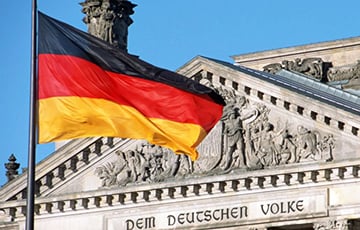
It is time for Europe to respond more firmly to the Kremlin's aggression.
Russia is intensifying its hybrid campaign against European countries, with Germany increasingly becoming the main target. Berlin plays one of the key roles in supporting Ukraine and strengthening European defense, which is why Moscow is trying to put pressure on it through sabotage, cyberattacks, and threats to critical infrastructure, writes CEPA.
This summer, a series of incidents occurred in Germany that authorities linked to Russian intelligence. On August 4, drones packed with explosives were discovered at Leipzig Airport. All runways had to be closed.
German Chancellor Friedrich Merz stated that the absence of casualties was “purely by chance.” German and U.S. intelligence agencies blamed Russia for the attack, a claim Moscow denied.
On September 3, explosives were discovered near the headquarters of electronics manufacturer Rohde & Schwarz. The company supplies products used in the defense industry. German authorities suspect a Russian connection.
Similar incidents are occurring in other countries as well. In Poland, authorities are investigating the murder of Russian dissident Robert Kuzovkov and an attack on the EU’s largest drone manufacturer. In Estonia, a fire at the building of the defense company Milrem Robotics is being investigated as a possible act of sabotage. Denmark has reported attempts by Russian agents to recruit citizens for attacks on the defense sector, and Finland is stepping up security along its border with Russia.
For now, Europe is forced to play by the rules imposed by Moscow. Russian sabotage and operations are being identified, investigated, and prevented, but there are insufficient countermeasures capable of holding the Kremlin truly accountable. This allows Russia to ramp up pressure on European countries and act with increasing boldness.
“We must strike where it hurts,” urges CEPA expert Jan Kallberg. Pressure should be directed at the Russian leadership’s inner circle and, above all, at the wealthy segments of society in Moscow and St. Petersburg.
“As long as Putin’s power base remains stable, this war and these provocations against Europe will not stop,” Kallberg said.

Bank's name: Bank Millennium S.A.
Address: ul. Stanislawa Zaryna, 2A, 02-593, Warszawa
IBAN: PL97116022020000000216711123
SWIFT: BIGBPLPW
Name of the account holder: Fundacja “KARTA ‘97”
Purpose/title of payment: Donation for statuary aims
You can contact us by the e-mail charter97@gmail.com