

Russia Faces A New Potato Crisis
1- 15.09.2026, 19:16
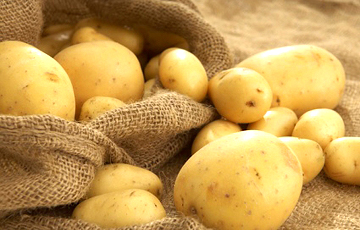
The drop in the harvest was estimated at one million metric tons.
The potato crisis of 2024–25, when the harvest fell by 20%, prices soared to a 20-year high, and Russia, to avoid a shortage, began large-scale imports, including from China and Mongolia, may repeat itself in the coming months, reports The Moscow Times.
The area planted with commercial potatoes this year has fallen to an 18-year low of 277,800 hectares, according to analysts at AB-Center. According to their forecast, this year’s potato harvest will drop from last year’s 8.5 million metric tons to 7.5 million metric tons—a decrease of approximately 12%. This is 0.5–1 million metric tons less than consumption, which the Potato Union estimates at 8–8.5 million metric tons annually.
AB-Center emphasizes that both the area planted with potatoes and yields have declined this year. As a result, experts believe that trends in the current crop year on the wholesale market “fully mirror the trends of the 2024/2025 crop year.” At that time, Russia’s potato harvest fell to 7.3 million metric tons, prices rose by as much as 173%, and Vladimir Putin was forced to acknowledge a potato shortage.
Potato prices are already rising noticeably on supermarket shelves: by the end of August, their price had increased by 35% year-over-year—to 59.1 rubles per kilogram—while wholesale prices jumped by 33% year-over-year. Typically, potato imports into Russia pick up in February, when stocks of the harvested crop run out, but this year, purchases from abroad will most likely have to begin a month earlier, writes “AB-Center.”
Along with potatoes, prices for other vegetables used in borscht are rising rapidly: cabbage—up 35.2% year-over-year, onions—up 27.2%, beets—by 20.4%, and carrots—by 17.7%. This is 3 to 6 times higher than the overall inflation rate, which Rosstat estimates at 6%.
Vegetable prices reflect accumulated cost increases, notes Stanislav Bogdanov, chairman of the Association of Retail Companies: fuel and lubricants have risen sharply in price; seeds, fertilizers, and crop storage have become more expensive; and transportation costs have increased, especially to major metropolitan areas, where vegetables must be transported from southern regions.
The fuel crisis is also driving up prices on supermarket shelves: the cumulative increase in gasoline prices since the beginning of the year already exceeds 20%, and “this factor is gradually beginning to have a stronger impact on the cost of transportation and other goods,” notes Freedom Global analyst Vladimir Chernov.

Bank's name: Bank Millennium S.A.
Address: ul. Stanislawa Zaryna, 2A, 02-593, Warszawa
IBAN: PL97116022020000000216711123
SWIFT: BIGBPLPW
Name of the account holder: Fundacja “KARTA ‘97”
Purpose/title of payment: Donation for statuary aims
You can contact us by the e-mail charter97@gmail.com