

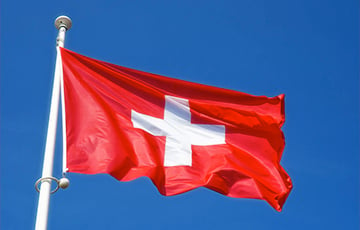
Switzerland Has Expanded Sanctions Against The Lukashenko Regime
- 19.09.2026, 13:30
Five days ago, her new ambassador began his duties in Minsk.
Switzerland has joined the European Union’s sanctions package against Belarus, adopted in April of this year. The Federal Council approved the restrictions, which took effect on September 19. The decision was made just five days after the new head of the country’s diplomatic mission began work in Minsk.
According to the State Secretariat for Economic Affairs, the new measures are intended to align with the European restrictions imposed on April 23. The Swiss government emphasized that it took this step due to the ongoing support that the Belarusian authorities are providing to Russia in the war against Ukraine.
In the trade sector, the ban on the export of products and technologies that could contribute to military, technological, or industrial development is being expanded. In addition, an embargo is being imposed on the import of economically significant goods that generate substantial revenue for the Belarusian government.
In the financial sector, Bern has banned transactions involving certain cryptocurrencies and central bank digital currencies—including the Belarusian digital ruble. Transactions with crypto-asset providers and decentralized platforms based in our country have been blocked.
Furthermore, Swiss authorities have suspended the provision of a number of services. It is prohibited to provide information security management services to government agencies and corporations, as well as assistance directly related to tourism activities.
It should be noted that the expansion of sanctions occurred five days after the new Swiss ambassador, Stefan Estermann, officially took up his post in Minsk. On September 14, he presented copies of his credentials to Deputy Foreign Minister Igor Sekreta. Estermann’s predecessor, Christina Honegger-Zolotukhin, left her post in July 2026.

Bank's name: Bank Millennium S.A.
Address: ul. Stanislawa Zaryna, 2A, 02-593, Warszawa
IBAN: PL97116022020000000216711123
SWIFT: BIGBPLPW
Name of the account holder: Fundacja “KARTA ‘97”
Purpose/title of payment: Donation for statuary aims
You can contact us by the e-mail charter97@gmail.com