

The Five Best French Cars Of All Time Have Been Named
4- 3.09.2026, 12:38
- 6,158
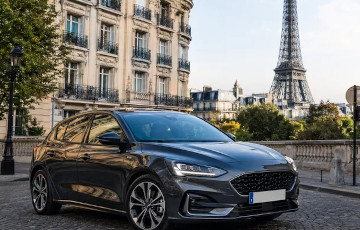
These models have gone down in history.
France has given the automotive world many models that, in their time, revolutionized ideas about design, comfort, speed, and even the very purpose of the automobile. French manufacturers were not afraid to experiment: some created affordable cars for millions of drivers, while others built luxurious grand tourers and race cars that became legends in motorsports.
The top five most outstanding French cars from different eras include models that have left a lasting mark on history. For more details, see Autocar.
Alpine A110
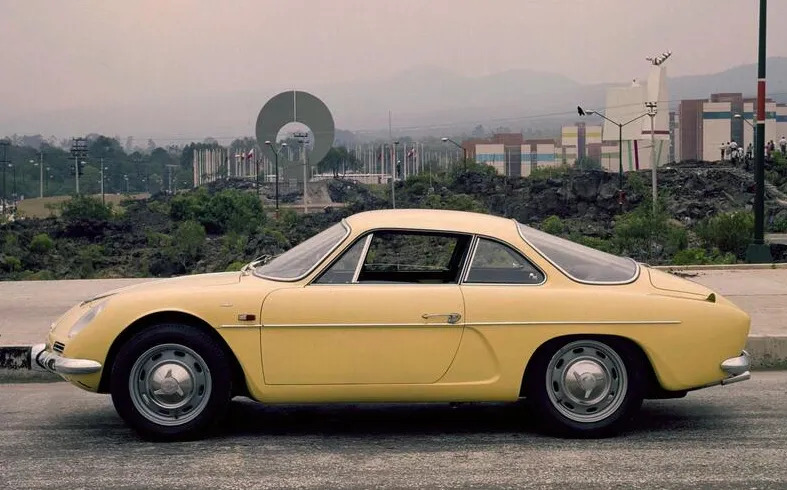
The original Alpine A110 debuted in 1961 and became the car that effectively shaped the Alpine brand’s reputation.
The compact sports car featured a lightweight fiberglass body and a rear-mounted Renault engine. This design provided excellent road holding, which was particularly valued in rally racing.
Subsequently, the power output of certain versions increased to approximately 138 l. s. The A110 achieved significant success in motorsports and remained in production until 1977. In total, more than 8,000 of these cars were produced. In addition to France, the model was assembled in a number of other countries, notably Spain, Brazil, and Mexico.
Bugatti Type 35
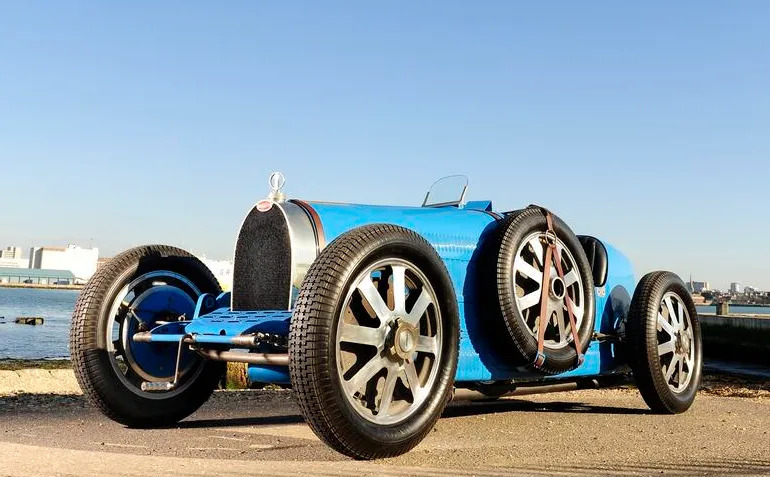
The Bugatti Type 35 debuted in 1924 and became one of the most famous race cars of the first half of the 20th century.
The first versions were equipped with a 2-liter inline-eight engine, but later, more powerful versions with superchargers and engines up to 2.3 liters in displacement were introduced.
The car weighed about 750 kg, and the power output of some road-going versions reached approximately 138 l.s.
Over the course of its racing career, various versions of the Type 35 claimed more than two thousand race victories. Another distinctive feature of the model was its eight-spoke alloy wheels, which had brake drums integrated into their design.
Citroën 2CV
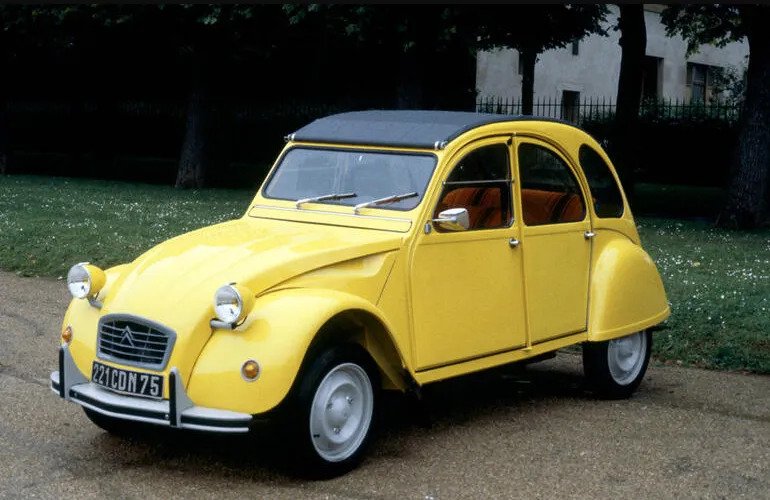
The Citroën 2CV became one of the most widely produced and recognizable French cars of the 20th century.
Development of the model began even before World War II. Some of the early prototypes had to be hidden to prevent them from falling into the hands of the German occupying forces.
The production 2CV was introduced in 1948. At first, buyers were rather reserved in their reaction to this unusual car, but gradually its simplicity, reliability, and soft suspension made the model extremely popular.
The car was equipped with air-cooled, two-cylinder boxer engines. In later versions, the displacement increased to 602 cubic centimeters, and the maximum power output rose to approximately 31 l. s. Production of the 2CV continued until 1990. During this time, approximately 3.8 million cars were produced.
Citroën C6
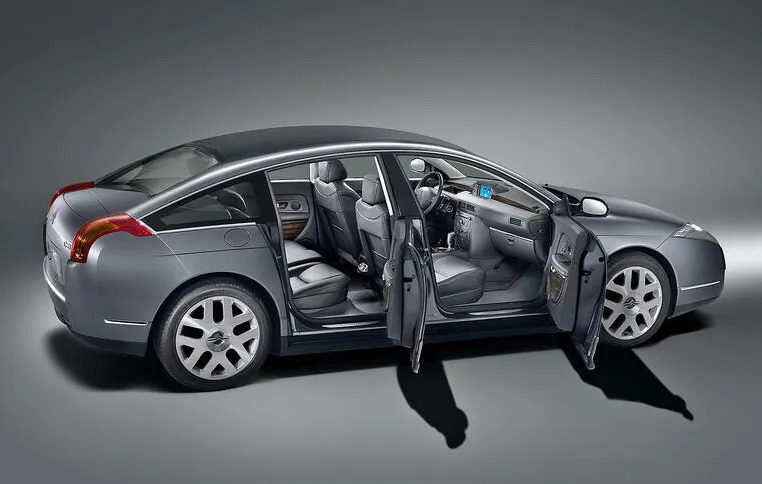
The Citroën C6 became one of the boldest French models of the early 21st century.
The car debuted in 2005 and stood out noticeably from its more understated competitors—Audi, BMW, and Mercedes-Benz. Among the C6’s most unusual features were its concave rear window and distinctive silhouette, which echoed the design of the legendary Citroën CX.
The engineers paid special attention to comfort. The model was equipped with the electronically controlled Hydractive hydropneumatic suspension, which ensured an exceptionally smooth ride. Even before mass production began, then-French President Jacques Chirac drove one of the C6s.
Facel Vega HK500
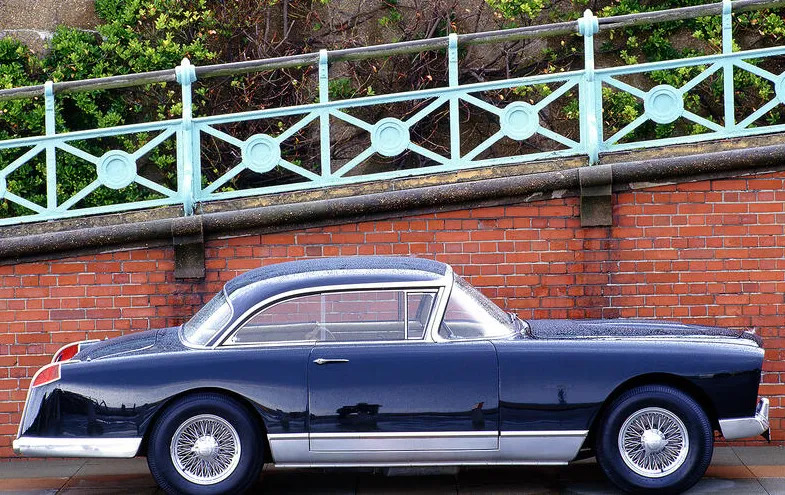
Facel Vega began as a coachbuilder, but in the 1950s, the company began manufacturing its own cars. One of its most famous models was the HK500, introduced in 1958.
This luxurious grand tourer was equipped with a 6.0-liter American Chrysler V8 engine. Some versions produced up to about 360 k.s., making the HK500 one of the most powerful European production cars of its era.
At the same time, the model was not designed solely for speed. Great attention was paid to comfort and interior trim. Interestingly, the dashboard, which resembled natural wood, was actually made of metal—the wood grain pattern was applied through a painting process.
Today, the Facel Vega HK500 remains a rare classic and one of the most striking examples of French GT-class cars from the second half of the 20th century.

Bank's name: Bank Millennium S.A.
Address: ul. Stanislawa Zaryna, 2A, 02-593, Warszawa
IBAN: PL97116022020000000216711123
SWIFT: BIGBPLPW
Name of the account holder: Fundacja “KARTA ‘97”
Purpose/title of payment: Donation for statuary aims
You can contact us by the e-mail charter97@gmail.com