


A Supercomputer Has Recreated The First Two Billion Years Of The Universe
2- 26.10.2026, 11:33
- 1,272
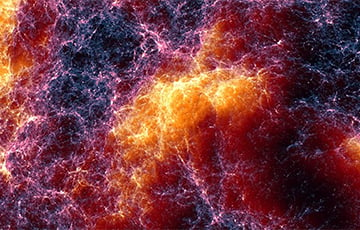
A large-scale model demonstrated the formation of the first stars and galaxies.
Scientists have created the largest and most detailed simulation of the first 2 billion years of our universe’s existence.
The James Webb Space Telescope allows us to see the earliest stages of our universe’s development in stunning detail. To help astronomers interpret the data, researchers at the Harvard-Smithsonian Center for Astrophysics have developed one of the largest and most detailed simulations of the early universe, called Lumina. A description of the new model is presented in a study published in the journal *Monthly Notices of the Royal Astronomical Society*, according to *Popular Science*.
A new simulation of the universe recreates the interactions between ordinary matter, dark matter, and radiation during the first 2 billion years of the universe’s existence. This gives scientists the opportunity to test theories about the evolution of the cosmos after the Big Bang. By comparing observational data with the results of the Lumina simulation, astronomers can determine how accurate our understanding of the fundamental laws of the universe is—or whether they need to be revised.
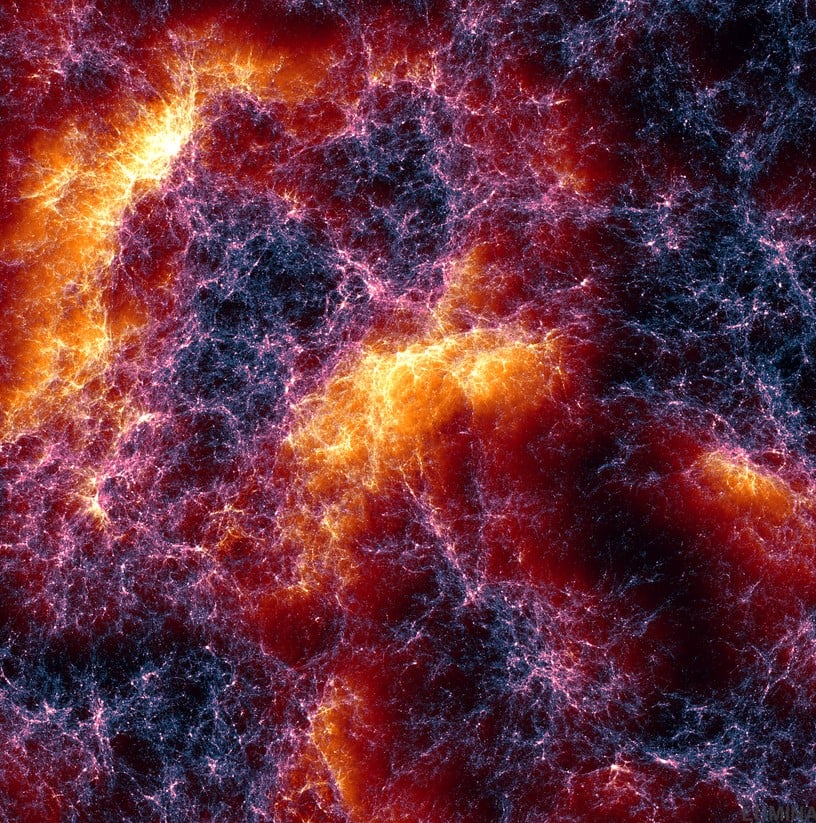
Astronomers have studied the cosmos and created increasingly complex models to explain the processes of star formation, galaxy formation, and the formation of other cosmic structures. Such simulations of the universe allow theoretical models to be transformed into detailed predictions. If observational results match the predictions, confidence in existing theories is strengthened. If, however, scientists find a discrepancy, it means that something needs to be changed in the existing theories.
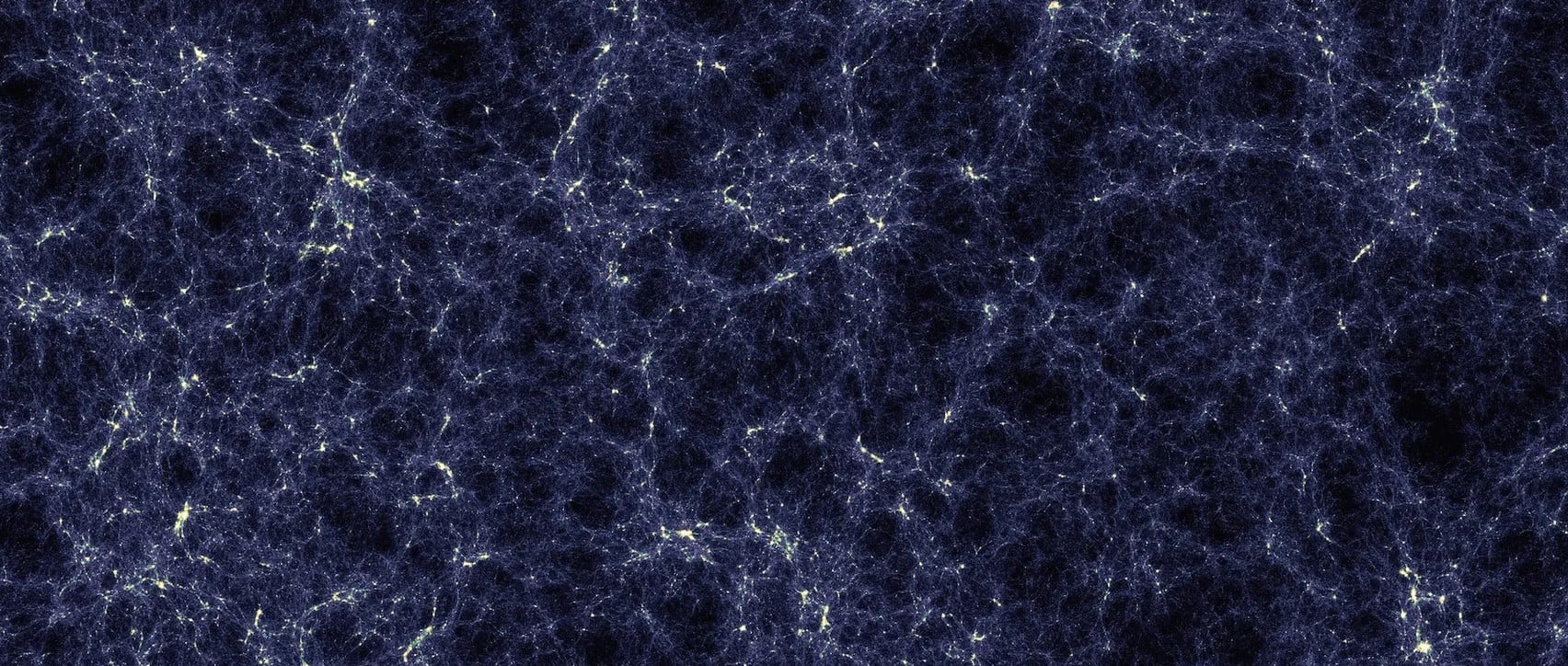
To create the Lumina simulation of the universe, more than 15,000 graphics processing units were required on the Frontier supercomputer, located at Oak Ridge National Laboratory (U.S.). Scientists modeled an unprecedentedly large portion of the early universe while maintaining the level of detail necessary to study the formation of galaxies, stars, and black holes. The volume of space covered by this simulation is more than 100 times larger than previous simulations. Lumina covers a region of space equivalent to a cube with sides approximately 1.5 billion light-years long.
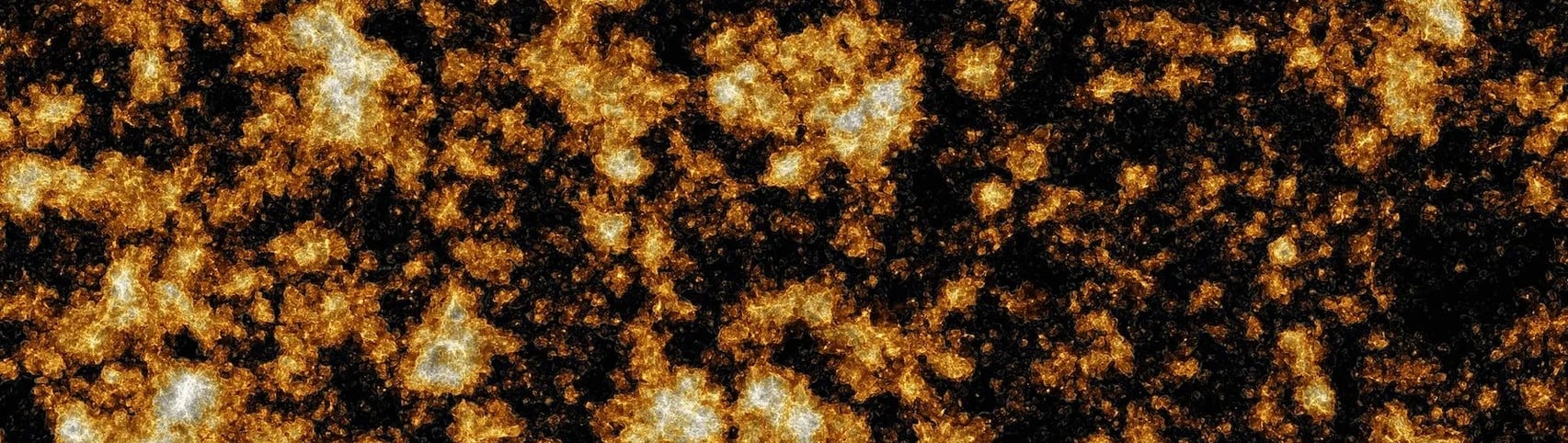
Lumina shows how the very first galaxies formed and how they transformed the vast gas-filled spaces between them during the first 2 billion years of the universe’s existence.
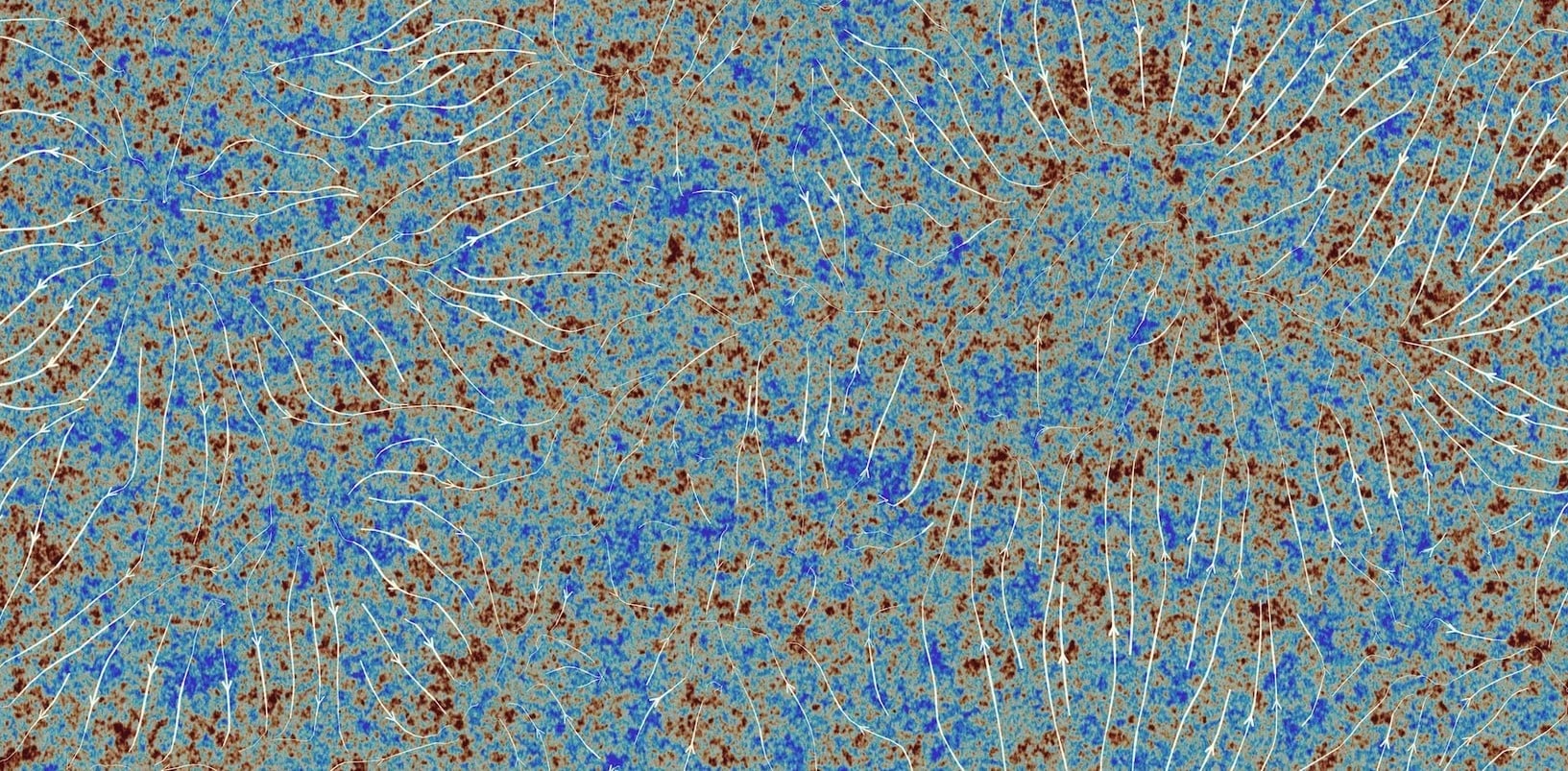
In future studies, this model will be used to investigate how gas moves between galaxies, how radiation produced after the Big Bang influenced cosmic evolution, and how regions of intense star formation developed over time.

Bank's name: Bank Millennium S.A.
Address: ul. Stanislawa Zaryna, 2A, 02-593, Warszawa
IBAN: PL97116022020000000216711123
SWIFT: BIGBPLPW
Name of the account holder: Fundacja “KARTA ‘97”
Purpose/title of payment: Donation for statuary aims
You can contact us by the e-mail charter97@gmail.com