

The Roseto Mystery: Why An Entire Town Lived Without Heart Attacks
- 7.10.2026, 18:38
- 1,610
A story that turned our understanding of what actually protects the heart on its head.
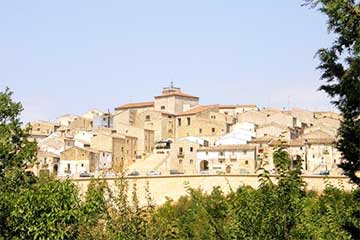
In the early 1960s, a doctor from Pennsylvania Benjamin Falcone noticed something strange: over the course of 17 years, he had seen almost no heart attacks among the residents of Roseto, where he practiced medicine. Yet they smoked, drank wine, and ate pies fried in lard—in other words, they had the full set of risk factors, writes reminder.media.
Together with his colleague Stuart Wolf, also a doctor and scientist, Falcone studied seven years’ worth of medical records and discovered that the mortality rate from heart attacks among men over 65 in Roseto was half that of neighboring towns. Moreover, during that entire period, not a single man under the age of 55 died of heart disease. The researchers double-checked the data several times—it was hard to believe it was true, but there was no error.
They put forward several hypotheses that might explain this phenomenon.
Diet? Fats accounted for 41% of the calories consumed by the residents of Roseto. The town’s residents had immigrated to the U.S. from Italy, but they did not follow their traditional Mediterranean diet.
Genes? One might have assumed that their origins were to blame. But Rosetans who moved to New York and Chicago died of heart attacks at the same rate as other Americans.
Water, soil, climate? The neighboring towns of Bangor and Nazareth are situated on the same hills and use the same water—yet their residents died of heart attacks.
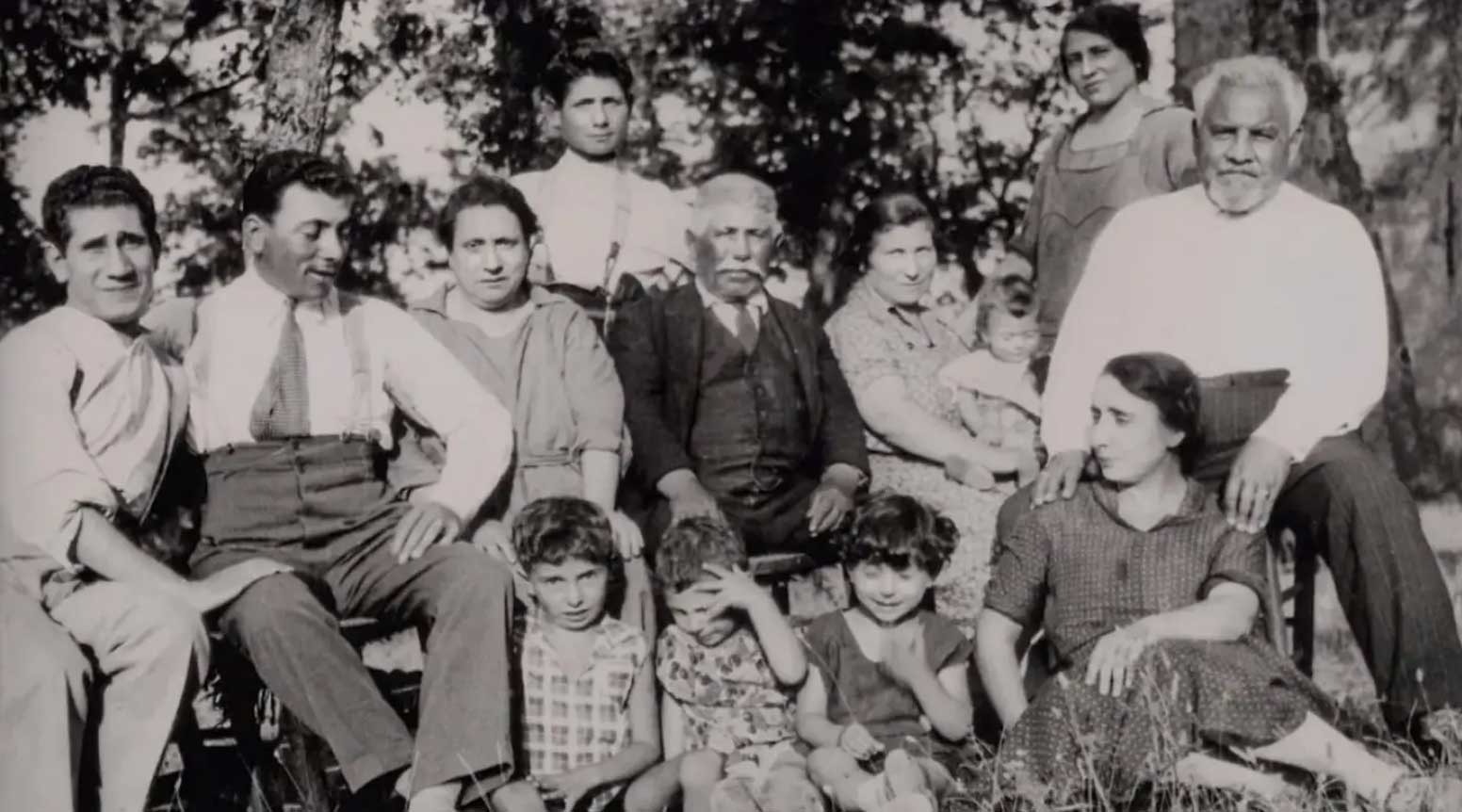
So Wolf decided to conduct an experiment and, together with sociologist John Brune, settled in the town for several months. They tried to live like the locals: they attended Sunday dinners, where as many as thirty people from several generations of a single family gathered around the table; they observed how wealthy neighbors deliberately refrained from flaunting their wealth so as not to stand out from the community; and they noticed that if someone lost their job, neighbors would bring them food and money without waiting to be asked. Roseto, with a population of 1,500, had more than twenty parish organizations, and everyone knew the mayor, the priest, and the doctor personally.
Wolf and Brun concluded that the “clan’s strength” protected the residents from heart attacks. And they predicted that as soon as the town began to change, the mortality rate would rise.
At the time, this prediction was not taken seriously, but when the next generation began moving out of the community into detached homes with lawns, the Italian language disappeared from everyday use, and traditional holidays lost their former meaning—the situation did indeed change. In 1971, a man under the age of 45 died of a heart attack in Roseto for the first time. And by the end of the decade, the mortality rate had caught up with the national average—even though the residents hadn’t started eating worse or exercising less.
What does this story tell us? Probably that sometimes what matters isn’t (just) what we put on our plates, but also who we’re sitting with at the table.

Bank's name: Bank Millennium S.A.
Address: ul. Stanislawa Zaryna, 2A, 02-593, Warszawa
IBAN: PL97116022020000000216711123
SWIFT: BIGBPLPW
Name of the account holder: Fundacja “KARTA ‘97”
Purpose/title of payment: Donation for statuary aims
You can contact us by the e-mail charter97@gmail.com