
Trump Postpones Iran Energy Strikes For Another 10 Days
- 1,424
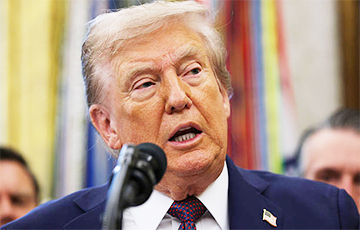
Photo: Getty Images
Through Monday, April 6.
US President Donald Trump said he has decided to postpone strikes on Iran's energy industry for another ten days. "At the request of the Iranian government, I am informing you that I am postponing the start of the destruction of energy facilities for 10 days - until Monday, April 6," the White House chief wrote on his social media TruthSocial. He noted that talks between Washington and Tehran are ongoing and progressing "very well" despite "fake news" claiming otherwise.
Earlier this week, Trump postponed strikes on Iranian energy for five days - until March 28, demanding that Tehran unblock the Strait of Hormuz, through which about 20 percent of oil and 30 percent of liquefied natural gas (LNG) enters the global market, by that time. Afterward, the American president told reporters that Iran had given a "very big gift" related to oil and gas, in particular, allowing ten tankers to pass through the Strait of Hormuz. In turn, mediators in the talks between Washington and Tehran told The Wall Street Journal (WSJ) that the Iranian authorities have not asked for a delay in the US strikes and have not presented a final response to the US peace plan.
The 15-point document that Washington handed over to Tehran includes a demand to open the Strait of Hormuz to free navigation, limit Iran's missile program to self-defense needs, stop funding Tehran's proxy forces in the Middle East, dismantle nuclear facilities at Natanz, Isfahan and Fordow, and hand over some 450 kilograms of uranium enriched to 60% to the IAEA. At the same time, the US is ready to lift nuclear sanctions, provide assistance in the development of civilian nuclear power at the Bushehr site and cancel the mechanism of automatic reinstatement of UN sanctions against Iran. According to Israeli TV channel Channel 12, the main provisions of the US plan coincide with the conditions Iran rejected last year.
Tehran has made counter demands to the US to start ceasefire talks, sources familiar with the situation told WSJ. According to them, Tehran has demanded the lifting of all sanctions against the country, guaranteeing non-resumption of hostilities, allowing Iran to maintain its nuclear program without restrictions, and charging fees for ships passing through the Strait of Hormuz. U.S. officials consider Iran's demands unrealistic and note that they will make it difficult to reach an agreement with Tehran.

Bank's name: Bank Millennium S.A.
Address: ul. Stanislawa Zaryna, 2A, 02-593, Warszawa
IBAN: PL97116022020000000216711123
SWIFT: BIGBPLPW
Name of the account holder: Fundacja “KARTA ‘97”
Purpose/title of payment: Donation for statuary aims
You can contact us by the e-mail charter97@gmail.com