


Gennady Fedynich: The System Needs To Be Changed
12- 10.06.2026, 14:22
- 18,354
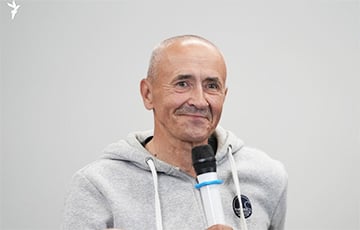
Photo: Radio Svaboda
A union leader spoke out in defense of Belarusians.
The CEO of Kamvol, Tatyana Lugina stated that Belarusians work “slowly,” spend a lot of time drinking tea and chatting, and held up workers from Ethiopia and India as an example for them.
Is it really a matter of “Belarusians’ laziness,” and what is actually wrong at this and other state-owned enterprises?
The website Charter97.org asked these questions to former political prisoner and trade union leader Gennady Fedynych:
— I don’t know how many people from India or Ethiopia work at “Kamvol,” but a person who has come to our country wants to show that they are not the worst, but the best. That’s one thing. But, in my opinion, this lady should seriously look into the enterprise and see what kind of work motivation exists at Kamvol today. Belarusians are far from lazy. For the most part, they are quite capable and responsible. So the problem isn’t the people, but the system.
The situation is very simple: bosses want people to do more work for the same pay. And they don’t stop to think about what working conditions are like today or what motivates people to work.
We should ask the people what bosses need to do to improve labor productivity and quality.
When such dialogue takes place and conclusions are drawn from it—first and foremost by management—then we’ll see results. But for now, I don’t see the conditions for that. Now everyone blames the workers, saying they don’t want to work, and that’s unfair.
— On BelZhD there is a catastrophic shortage of workers, Belarusians don’t want to go there, and Pakistanis and Nepalese have refused to go for such low pay. What is happening at this important enterprise, and why are the wages so low and the treatment of people so disrespectful?
— Most likely, the situation at BelZhD today is far from ideal. The losses that BelZhD has suffered are indeed real. And the people here are in no way to blame. Second question: I don’t know how reliable this information is, but, in my opinion, some people simply left Belarus as specialists.
As for the future situation, look: there are no shipments to the West, including freight. Not to mention passenger service. And the fact that BelZhD operates only to Russia will never save it. You have to want to and know how to make money so that people don’t leave.
Right now, it seems like their finances, excuse me, are in shambles, yet they’re forcing people to work. Because there aren’t enough people, which means someone else’s work has to be done. And it’s clear that this can’t satisfy the workers. So some people leave and find another job somewhere else that pays better.
The system itself has worked, and the sanctions that were were imposed against the Lukashenko regime. And here, both the leadership of BelZhD and the country’s leadership must take responsibility. The blame for this situation lies with them.
— What can be said about the state of the entire Belarusian economy based on the examples of “Kamvol” and BelZhD? What will become of it with such a labor shortage?
— In Belarus, most enterprises are state-owned. Even joint-stock companies are effectively state-owned because the state holds a majority stake in them. And, undoubtedly, the economy has reached a point where the labor shortage will affect people’s ability to earn a decent living—and on a regular basis. There’s no getting around that.
The situation is such that the government and the country’s leadership have sought to ensure that all enterprises, primarily the major ones, remain under state control. This system, built by the Lukashenko regime, has led to nothing good. As we can see, the situation will worsen with each passing month. Because there will be problems with both orders and, most importantly, with product sales—problems that cannot be easily resolved.
That is why I believe that, over time, there will be a decline in production levels, and, naturally, this will be followed by staff reductions. Because without this, if things continue this way, there will be no way around it.
In Belarus, we need to change the system itself and make it a reality. And reality means people who want to work. And most importantly—they want to earn a decent wage, not just receive one.

Bank's name: Bank Millennium S.A.
Address: ul. Stanislawa Zaryna, 2A, 02-593, Warszawa
IBAN: PL97116022020000000216711123
SWIFT: BIGBPLPW
Name of the account holder: Fundacja “KARTA ‘97”
Purpose/title of payment: Donation for statuary aims
You can contact us by the e-mail charter97@gmail.com