

Following Moscow And St. Petersburg, The Volga Region Has Introduced A Cap On Gasoline Sales
4- 13.06.2026, 20:26
- 4,324
Ukraine has achieved its goal.
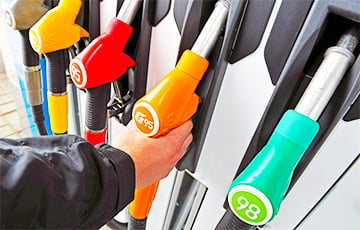
In the Russian region of Tatarstan, at Tatneft gas stations have introduced restrictions on fuel sales. The head of the republic Rustam Minnikhanov reported that lines have been observed at some gas stations, prompting the decision to impose limits: no more than 20 liters of gasoline per person per day; up to 40 liters of diesel for passenger cars and up to 200 liters for trucks, writes The Moscow Times.
According to Ulpressa, similar measures are also in effect at Tatneft gas stations in Ulyanovsk.
As previously reported by TV channel "78," limits (20 liters of gasoline) have also been introduced in St. Petersburg. Readers of “Ostrozhno, Novosti” spotted the same sign at a Tatneft gas station in Lytkarino, near Moscow. Moscow gas stations belonging to the largest chains also introduced restrictions starting June 12: at Tatneft stations—up to 20 liters of gasoline and up to 40 liters of diesel per person. At Rosneft gas stations in the capital, a general limit has been set—up to 90 liters per tank or canister—while Lukoil dispenses no more than 100 liters of gasoline or diesel per receipt.
Fuel shortages in the Moscow Region began as early as late May. Starting May 30, the ORTK network introduced a limit of no more than 60 liters of gasoline and 100 liters of diesel per customer. Gazprom set limits of 100–150 liters. At that time, Lukoil limited only gasoline (up to 100 liters), while Rosneft and Tatneft stated that there were no general restrictions, but individual gas stations could impose them locally.
Residents of the Belgorod and Ryazan regions, the Krasnodar Territory, and many other regions had previously complained about shortages of gasoline and diesel. According to 7×7’s estimates, by June 10, at least 25 Russian regions (excluding the occupied territories of Ukraine) had faced fuel shortages and supply disruptions. Taking into account the six occupied Ukrainian regions—Crimea, Sevastopol, and the Luhansk, Donetsk, Kherson, and Zaporizhzhia regions—the number of affected regions reaches 31.
The cause of the shortage is the Ukrainian Armed Forces’ systematic strikes on Russian oil infrastructure. The situation is currently most dire in Crimea, where gasoline deliveries are hampered by drone strikes on the highway connecting the annexed peninsula with the Rostov region.

Bank's name: Bank Millennium S.A.
Address: ul. Stanislawa Zaryna, 2A, 02-593, Warszawa
IBAN: PL97116022020000000216711123
SWIFT: BIGBPLPW
Name of the account holder: Fundacja “KARTA ‘97”
Purpose/title of payment: Donation for statuary aims
You can contact us by the e-mail charter97@gmail.com