
Russia Is Facing A Fuel Shortage For General Aviation
2- 22.06.2026, 11:16
- 2,918
This has taken a toll on the air travel industry.
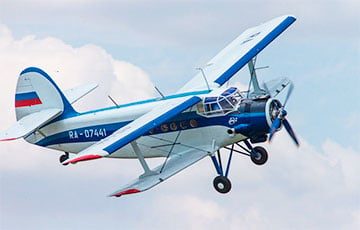
The Association of An-2 Operators has proposed introducing government regulation of jet fuel and aviation gasoline prices amid a growing fuel shortage, "Kommersant" by the organization’s president Vladimir Antonov. According to him, while passenger airlines already spend more than a third of their total expenses on fuel, this share is even higher in general aviation, which negatively impacts the economics of operations, demand for services, and passenger traffic. In a letter from the association to the Ministry of Transport, which Kommersant reviewed, it states that the situation is particularly acute with aviation gasoline; due to rising prices, market participants are forced to use automotive fuel, including fuel of poor quality.
The rise in aviation gasoline prices is comparable to that of jet fuel, but the situation with its availability—which “has always been poor”—is now “worsening,” says Dmitry Toropov, CEO of LightAir Dmitry Toropov. According to him, among major airports, aviation gasoline is available only in Ufa and Volgograd, while at most other airports, small aircraft either carry gasoline with them in special containers or “turn to” private flying clubs. Vadim Tsyganash, executive director of the Aviation Workers Association , noted that the situation is not yet critical but is moving in that direction—within a month, the issue will become acute.
At the same time, potential government price regulation could only exacerbate the problem of the mismatch between supply and demand, warns Sergey Detenychev, Chairman of the Board of the Association of Small Aviation Enterprises. “Prices may be artificially low, but there won’t be any fuel,” he explained.
Passenger airlines are also concerned about the fuel situation, according to Kommersant sources at two carriers. According to them, since early June, aircraft in several regions have stopped receiving reserve fuel in case of route changes or adverse weather conditions, which indicates the first signs of a shortage. Earlier, the government banned the export of jet fuel until November 30 to ensure a “stable situation on the domestic fuel market.” The restriction was introduced following a ban on gasoline exports, which has been in effect since late March.
In June, as a result of regular attacks by Ukrainian drones on Russian oil refineries, domestic gasoline production fell by 25% compared to last year, industry sources told Reuters. At the same time, oil refining in central Russia has virtually ground to a halt following strikes on major refineries in Kirishi, Moscow, Nizhny Novgorod, Ryazan, and Yaroslavl, which together produced more than 30% of the country’s total gasoline and about 25% of its diesel fuel. The government decided to compensate for the fuel shortage by increasing supplies from Belarus, opening up maritime imports, and lowering quality standards to “Euro-3.”

Bank's name: Bank Millennium S.A.
Address: ul. Stanislawa Zaryna, 2A, 02-593, Warszawa
IBAN: PL97116022020000000216711123
SWIFT: BIGBPLPW
Name of the account holder: Fundacja “KARTA ‘97”
Purpose/title of payment: Donation for statuary aims
You can contact us by the e-mail charter97@gmail.com