


In June, Ukraine Carried Out A Record Number Of Attacks On Russian Defense Plants
- 27.06.2026, 19:58
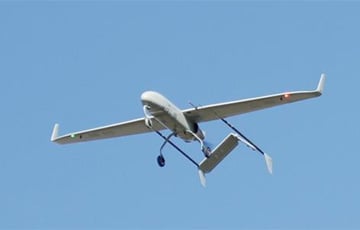
Ukrainian drones and missiles are systematically crippling Russia's military capabilities.
In June, Ukraine carried out a record number of airstrikes against facilities belonging to the Russian military-industrial complex. The main targets were factories producing missiles, electronics, and ammunition, according to the publication "Agency".
According to media reports, the latest known target was the “Titan-Barrikady” plant in Volgograd, which was attacked on Saturday.
Local authorities have not officially named the facility, but Governor Andrei Bocharov confirmed that production facilities had been damaged.
Ukrainian President Volodymyr Zelenskyy confirmed that the Armed Forces of Ukraine struck this plant with new FP-5 “Flamingo” missiles. OSINT research also confirms that the facility was hit.
This facility is critically important to the Kremlin, as it designs and manufactures launchers for the “Yars” strategic missile systems, “Topol-M,” and “Sarmat” strategic missile systems, launch systems for the “Iskander-M” operational-tactical missile systems, and components for Russia’s newest “Oreshnik” missiles.
In just the first month of summer, fewer than 13 Russian military-industrial complex facilities were struck. This is the highest figure for the entire year of 2026.
Other targets hit included:
Missile and electronics manufacturing—the “Progress” plant in Michurinsk (control systems for aircraft and missiles) and “VNIIR-Progress” in Cheboksary (antennas for “Kalibr” and “Iskander” missiles).
Ammunition manufacturing—the “Elastic Plant” in the Ryazan Region (air bombs and shells) and the “Azot” chemical plant in Novomoskovsk, which was attacked twice for producing components for explosives.
Shipbuilding—the “Zaliv” shipyard in occupied Crimea was struck by drones, resulting in damage to two military vessels.
Analysts note that such a large-scale campaign by Ukrainian forces aims not only to disrupt logistics to Crimea or create a fuel shortage, but also to systematically reduce Russia’s overall military capabilities.

Bank's name: Bank Millennium S.A.
Address: ul. Stanislawa Zaryna, 2A, 02-593, Warszawa
IBAN: PL97116022020000000216711123
SWIFT: BIGBPLPW
Name of the account holder: Fundacja “KARTA ‘97”
Purpose/title of payment: Donation for statuary aims
You can contact us by the e-mail charter97@gmail.com