


Russia's Largest Grain Ports On The Black Sea Have Been Shut Down
1- 12.08.2026, 13:40
- 1,104
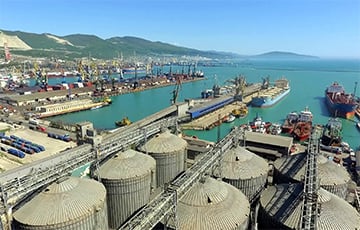
Following the UAV strikes.
A massive drone strike on Novorossiysk — over a hundred drones took part in the raid — has effectively halted operations on the last major route for exporting Russian grain via the Black Sea, writes The Moscow Times.
Of the region’s three leading grain terminals, two have ceased operations. The Novorossiysk Grain Terminal (NGT), with a capacity of 8.5 million metric tons per year, sustained damage and halted shipments. The neighboring Novorossiysk Bread Products Plant (NBP), with a capacity of 7.1 million metric tons, has also halted operations—the strike hit the loading gallery. Among other facilities, this plant has grain elevators with a capacity of 300,000 metric tons. Together, these two terminals typically handle about one-third of the country’s total grain exports. Two industry sources told Reuters about the suspension of operations.
The attack resulted in casualties—two people were killed, and the city was left without water. According to Bloomberg, citing NASA satellite images, a fire has been detected at the port; the area of the naval base, where the Russian command had previously redeployed ships from Crimea, is also on fire.
The Sea of Azov Is Already Cut Off
The ports on the Sea of Azov, through which wheat and oil were traded with Turkey and the Middle East, have fared no better—they have been idle since July, following a series of Ukrainian Armed Forces strikes on vessels in this area (more than a hundred ships were damaged) and the subsequent restriction on passage through the Kerch Strait. The result: a collapse in July grain exports to a ten-year low of about 1.6 million metric tons, according to SovEcon’s estimates. This is half the average July figure for the past five years.
ProZerno expects that shipments in August could fall even further—to 2.5 million metric tons, which is more than half the normal level. And if both the Black Sea and the Sea of Azov—turn out to be completely blocked, the country risks losing about 80% of its grain exports, or 30–35 million metric tons annually, as the Union of Grain Exporters and Producers warned in late July.
How This Is Affecting the Regions
The Rostov Region—one of the main grain-producing regions, accounting for one in every eight metric tons of Russian wheat—is being hit particularly hard. As Anatoly Kolchik, head of the regional Grain Union of Agricultural Producers, told *Vedomosti*, exports here have practically ground to a halt, shipments along the Don River have ceased, and farmers are forced to sell their harvest at a loss—about 40% below cost.
Are there any alternatives?
Reuters sources say that authorities are considering rerouting grain to Baltic ports, which are currently accepting cargo without restrictions—the only question is whether the rail network can handle such volumes. The Caspian route, traditionally used for shipments of barley and corn to Iran, is also being discussed; however, no significant increase in shipments there has been recorded since mid-July.
Kolchik notes that for farmers, the situation poses serious financial difficulties and a shortage of working capital—not all farms have the financial cushion needed to weather the crisis.

Bank's name: Bank Millennium S.A.
Address: ul. Stanislawa Zaryna, 2A, 02-593, Warszawa
IBAN: PL97116022020000000216711123
SWIFT: BIGBPLPW
Name of the account holder: Fundacja “KARTA ‘97”
Purpose/title of payment: Donation for statuary aims
You can contact us by the e-mail charter97@gmail.com