

Putin Has Trapped Russia's Economy In The Trap Of War
1- 16.08.2026, 13:43
- 1,218
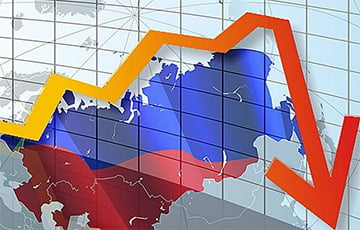
The budget deficit could end up being nearly twice as high as the 2025 figures.
The Russian economy, which for a long time had shown resilience in the face of sanctions and massive military spending, has faced a growing number of challenges. After more than four years of full-scale war, the country has effectively become a two-speed economy, with the defense sector growing while civilian industries struggle, writes CNBC.
In the second quarter, Russia’s GDP increased by 1.3% year-over-year, but growth for the first half of the year amounted to only 0.6%. The economy is being propped up by massive government spending, as well as oil and gas revenues.
At the same time, the financial situation is becoming more challenging. Russia’s budget deficit could end up being nearly twice as high as the 2025 figure, which was already twice the 2024 level. Oil and gas revenues for the first six months of the year amounted to only 64% of the figure from two years ago.
“Russia’s economy is becoming a two-speed economy,” the authors note, pointing to the gap between the defense industry and the rest of the economy.
High inflation and expensive loans are putting additional pressure on consumers. Russians are increasingly switching to cheaper goods and domestic brands. A telling example is cookie sales, which have increased 2.5-fold.
Ukrainian strikes on Russian oil refineries and the tightening of sanctions have added to the pressure.
That said, economic problems alone are unlikely to force the Kremlin to end the war. Among the possible measures Moscow could take are raising taxes, taking on new debt, and using part of its frozen reserves. However, such steps could fuel inflation and undermine confidence in the Russian financial system.
Moreover, a worsening economic situation could push Putin toward further escalation in an attempt to end the war on terms favorable to Moscow.

Bank's name: Bank Millennium S.A.
Address: ul. Stanislawa Zaryna, 2A, 02-593, Warszawa
IBAN: PL97116022020000000216711123
SWIFT: BIGBPLPW
Name of the account holder: Fundacja “KARTA ‘97”
Purpose/title of payment: Donation for statuary aims
You can contact us by the e-mail charter97@gmail.com