
Russia's Main Weakness
1- 10.09.2026, 18:49
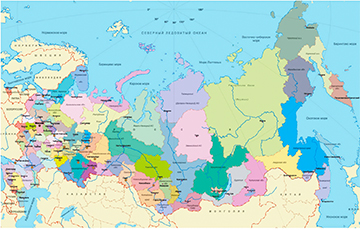
Will Moscow be able to adapt its foreign policy to a changing world?
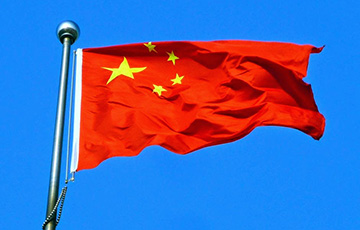
Russia has gained more influence on the world stage than many in the West had expected. However, its current advantage is largely due to the instability of the international system, which may change in the future. This is the conclusion reached by analyst Andrei Kortunov in an article for the magazine Foreign Affairs (translation by Charter97.org).
The perception of Russia as a power in a state of steady decline does not correspond to reality. Moscow has retained its status as a nuclear superpower, possesses powerful armed forces, and has vast reserves of natural resources. Western sanctions have also failed to bring about an economic and political collapse.
Russia stands to gain particularly from a world marked by conflict, rampant nationalism, and competition among states. Under such conditions, military strength, nuclear capabilities, and access to oil, gas, uranium, fertilizers, and other resources provide the Kremlin with significant leverage.
“Russia cannot defeat the West outright, but it is capable of holding its own and playing to a draw,” writes Kortunov.
But this period of instability will not necessarily last long. If, following the departure of U.S. President Donald Trump, Washington returns to closer cooperation with its allies, and global trade and international institutions regain their vitality, Moscow will lose its advantage.
Russia’s main weakness is its technological lag. Tight state control over the private sector hinders the development of entrepreneurship and innovation in the fields of artificial intelligence, robotics, quantum technologies, and clean energy.
Demographic challenges also complicate the country’s prospects. The economy cannot indefinitely compensate for the shortage of domestic resources through oil and gas exports, especially against the backdrop of a potential decline in global demand for fossil fuels.
“Constant confrontation with the U.S. and Europe is not in Russia’s long-term interests,” notes Kortunov.
In the future, Moscow will have to seek a more pragmatic approach to its relations with Europe, move away from the “besieged fortress” model, and learn to adapt to changes in the world order. Otherwise, its current stability could turn into stagnation and a gradual loss of ground.
Now the actress wants to open similar venues in other countries. Brazil could be the first international location. In addition, the “Atelier Jolie” team is in talks with partners in Vienna and Cambodia.
“We’ve always hoped that our atelier would become an international brand,” Jolie said.
At the same time, the actress wants to preserve the project’s core mission—supporting local artisans and fostering the creative community. According to her, each new space should collaborate with artists and artisans from its own country.
Jolie also admitted that she herself has become more actively involved in arts and crafts. She has already taken a screen-printing course and mastered some felting techniques.

Bank's name: Bank Millennium S.A.
Address: ul. Stanislawa Zaryna, 2A, 02-593, Warszawa
IBAN: PL97116022020000000216711123
SWIFT: BIGBPLPW
Name of the account holder: Fundacja “KARTA ‘97”
Purpose/title of payment: Donation for statuary aims
You can contact us by the e-mail charter97@gmail.com