

Foreign Affairs: Europe Has Gained An Unexpected Trade Advantage
- 14.09.2026, 15:48
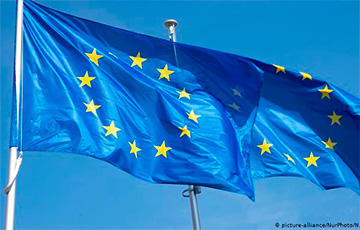
The EU's slow-moving bureaucracy has become a guarantee of stability for its partners.
The European Union has unexpectedly turned its notorious bureaucracy and slow decision-making processes into an economic advantage. Against the backdrop of the White House’s unpredictable trade policy, countries are increasingly turning to Brussels, hoping to secure agreements that may not be the quickest but are, in fact, stable, writes the magazine Foreign Affairs (translation by Charter97.org).
In recent months, the EU has concluded trade negotiations with India, Australia, and the Mercosur countries (Brazil, Argentina, Uruguay, and Paraguay), and had previously signed an agreement with Indonesia. Nine countries have official candidate status for EU membership. Even the United Kingdom, which left the bloc in 2020, is now seeking to reestablish closer economic ties with Brussels.
Against this backdrop, the U.S. strategy of applying pressure through tariffs has backfired. Agreements concluded by the Trump administration may be subject to review due to presidential decisions or legal disputes. After the tariffs were imposed, the U.S. trade deficit reached a record $1.24 trillion in 2025.
“The unpredictability that was supposed to be a source of influence has become a permanent state of affairs and has undermined the U.S. position,” the authors of Foreign Affairs write.
The European system works differently. Trade agreements go through the European Commission, the Council of the EU, and the European Parliament, and new tariffs require a formal procedure and an investigation. This slows down decision-making, but makes it harder to reverse decisions with a single executive order.
It is precisely this kind of stability that many trading partners are seeking right now. The EU’s agreement with Mercosur will create a market of more than 700 million people; the agreement with India opens up a huge market to European companies; and the agreement with Australia helps Brussels gain access to critically important minerals.
“The EU possesses precisely the kind of stability that this current period of instability demands,” the authors assert.

Bank's name: Bank Millennium S.A.
Address: ul. Stanislawa Zaryna, 2A, 02-593, Warszawa
IBAN: PL97116022020000000216711123
SWIFT: BIGBPLPW
Name of the account holder: Fundacja “KARTA ‘97”
Purpose/title of payment: Donation for statuary aims
You can contact us by the e-mail charter97@gmail.com