

Armenia Knows How To Break Free From The Kremlin's "Grip"
- 15.09.2026, 12:26
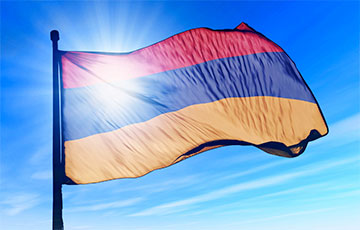
Yerevan needs to diversify its trade quickly.
Armenia has been presented with a rare opportunity to reduce its dependence on Russia; however, it is in Moscow’s interest not to give Yerevan enough time to pivot toward the West. Following the reelection of Nikol Pashinyan in June, the standoff over the country’s foreign policy course has become noticeably more intense, writes CEPA.
Yerevan has announced its intention to apply for membership in the European Union. The prime minister understands that this process could strengthen the country’s economy and security, but a sharp break with Moscow is not yet possible. Russia remains Armenia’s largest trading partner and the main market for its alcohol, food, and other products.
The Kremlin is demanding that Pashinyan choose between the EU and the Eurasian Economic Union. Putin is proposing a referendum, arguing that membership in both integration blocs is incompatible.
Meanwhile, Moscow is already using trade as a tool of pressure. In May, Russia restricted imports of Armenian products, despite Armenia’s membership in the EAEU. Pashinyan personally asked Putin to lift the ban, and now Yerevan has officially demanded that the union itself remove the Russian restrictions.
“The main question for Armenia now is whether it will be able to diversify its trade quickly enough to withstand further pressure from Moscow,” the authors argue.
The situation is markedly different from 2013, when Armenia rejected an agreement with the EU and joined the Russian Customs Union. At that time, closed borders with Turkey and Azerbaijan, as well as dependence on Russia as an energy supplier and security guarantor, severely limited Yerevan’s options.
Now the conditions are changing. Armenia is developing ties with the EU, the Gulf states, and other markets. Trade volume with Russia fell by 20.5% in the first five months of 2026, while Armenia’s exports to the EU rose by more than 80% in the first half of the year.
The EU has also provided Yerevan with €52 million and, for two years, has simplified access for Armenian goods to the European market.
“These two years should not be a temporary aid measure for Armenia, but rather a deadline for establishing sustainable trade ties with Europe,” the authors assert.

Bank's name: Bank Millennium S.A.
Address: ul. Stanislawa Zaryna, 2A, 02-593, Warszawa
IBAN: PL97116022020000000216711123
SWIFT: BIGBPLPW
Name of the account holder: Fundacja “KARTA ‘97”
Purpose/title of payment: Donation for statuary aims
You can contact us by the e-mail charter97@gmail.com