


Unique In Europe: Researchers In Spain Are Studying An Unusual Petroglyph
- 16.09.2026, 14:08
- 1,110
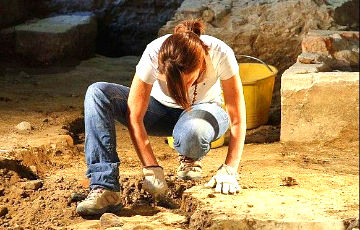
The drawing on the stone surprised the scientists.
Archaeologists working in northwestern Spain are studying an unusual rock engraving—described as “unique in Europe”—as part of a project to investigate what researchers believe was a prehistoric sacred landscape.
The discovery is being studied during the fourth archaeological campaign at Santa María Magdalena de Adai (province of Lugo, Galicia), where researchers are studying a landscape featuring petroglyphs, burial mounds, and rock shelters, according to Heritage Daily.
The latest expedition, led by a professor at the University of Santiago de Compostela (USC) and CISPAC researcher Pilar Prieto, began on August 31 and is scheduled to conclude on September 18, 2026. This year’s work focuses on an unusual petroglyph that, according to the researchers, depicts the floor plan of a hut measuring approximately 40 square meters. According to Prieto, this image is unique in Europe and may help scientists better understand what she calls the “sacred landscape” around Adaya.
The team is currently investigating two rock shelters in Penash do Caldeirão. One of them, known as Pena Travesa, contains a petroglyph with complex combinations of cup-shaped indentations carved into the upper surface of the rock. The second site has attracted particular attention due to a large image that is interpreted as the foundation or floor plan of a prehistoric hut.
The scale and design of this structure, which covers an area of about 40 square meters, set it apart from other known examples and may provide archaeologists with unique insights into the symbolic significance of residential architecture in prehistoric communities. Rather than studying the engraving in isolation, researchers are examining it as part of a broader archaeological landscape.
As work in this area expands, archaeologists continue to uncover previously undocumented sites. During the current research, six new burial mounds with burial chambers and two additional petroglyphs have been cataloged, adding to the growing concentration of archaeological sites known in the Adaya area. Taken together, the rock art, shelters, and burial structures can help researchers understand how prehistoric communities moved through the landscape and how specific natural features came to hold ritual or symbolic significance.
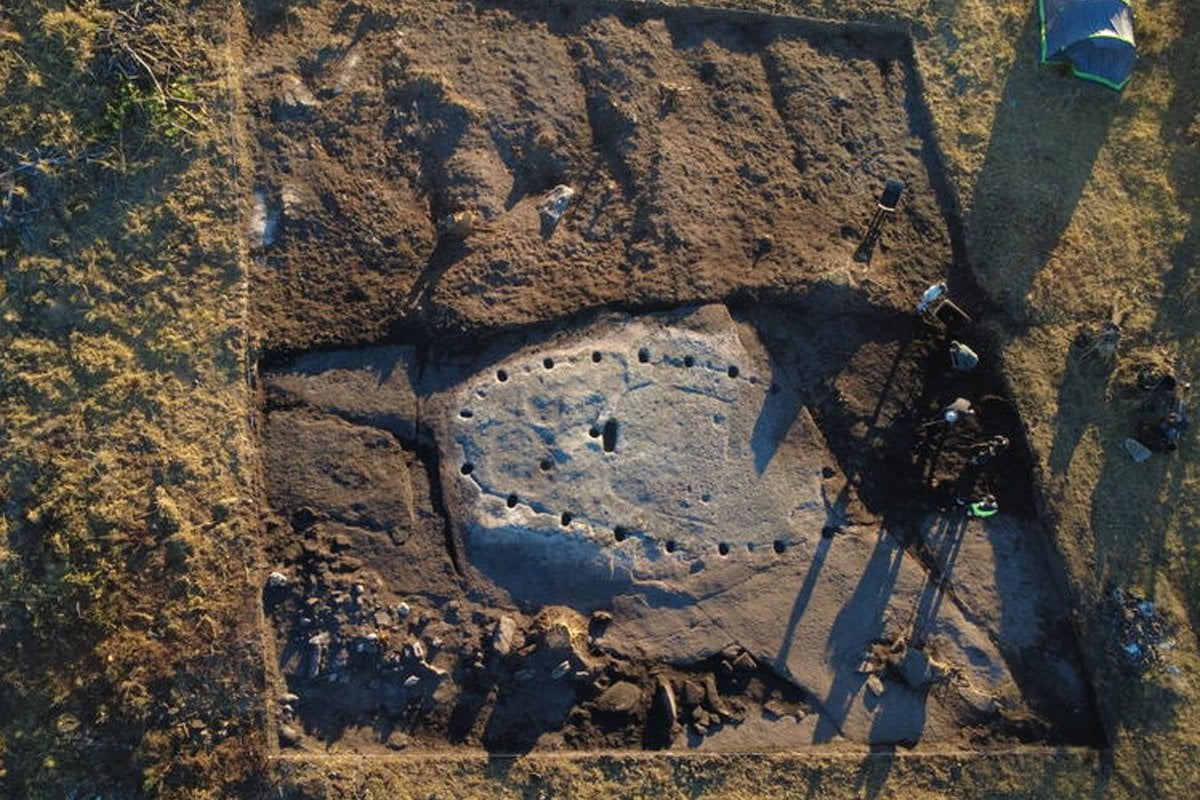
Therefore, the project aims to reconstruct not only individual archaeological sites but also the interconnections between sites, settlements, and the surrounding area. Researchers are also preparing to investigate what might lie beneath the ground.
Geophysical surveys are scheduled for late September. These non-invasive methods will allow archaeologists to search for potential underground structures without resorting to immediate excavations. The results may ultimately provide a clearer picture of how the landscape has evolved and been used over time.

Bank's name: Bank Millennium S.A.
Address: ul. Stanislawa Zaryna, 2A, 02-593, Warszawa
IBAN: PL97116022020000000216711123
SWIFT: BIGBPLPW
Name of the account holder: Fundacja “KARTA ‘97”
Purpose/title of payment: Donation for statuary aims
You can contact us by the e-mail charter97@gmail.com