

Riots Are Brewing In Iran
4- 6.09.2026, 22:25
- 7,850
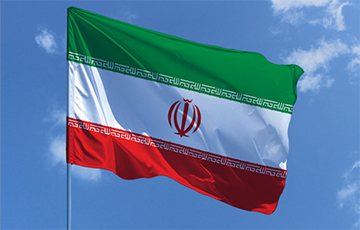
The economic situation in the country has deteriorated significantly.
Iran is facing increasing pressure due to the naval blockade, military operations, and sanctions imposed by the United States, and the leadership of the Islamic Republic is concerned about the threat of new anti-government protests, according to Reuters reports, citing informed sources. According to three high-ranking Iranian officials, who were not named, it is becoming increasingly difficult for Iranian authorities to counter Washington’s measures to exert “unprecedented” pressure on Tehran, which were announced in August by U.S. Treasury Secretary Scott Bessent.
U.S. actions have sharply curtailed the country’s access to foreign currency, imports, and global financial networks, which had helped keep the economy afloat. Iranian leaders fear that soaring prices, a decline in trade, and pressure on citizens’ incomes could once again spark nationwide unrest—the kind that has repeatedly shaken the Ayatollahs’ rule in the past— and which, earlier this year, brought the regime to the brink of collapse. According to sources, the Iranian leadership is particularly concerned about shortages of essential imported goods, including fuel and wheat. “The balance of power has shifted somewhat against Iran,” said Iranian analyst Arash Azizi.
According to him, Iran’s influence over the Strait of Hormuz is waning, and the U.S. naval blockade is “really hitting Iran hard.” According to Burcu Özçelik, a senior research fellow at the Royal United Services Institute (RUSI), Iran’s ability to resist external pressure may depend as much on the public’s patience as on Tehran’s capacity to cope with economic hardships.
“Undoubtedly, the economic downturn increases the risk of mass unrest, but at the moment, the population appears to be in a state of wartime mentality,” Özçelik noted. For now, U.S. attacks, as well as civilian casualties and the anti-American ideological agenda, “fuel a certain level of patriotic support in the spirit of ‘Iran above all,’ loyalty, or simply patience toward the current regime,” the expert believes.
U.S. and regional officials note that Iran, having attempted to block the Strait of Hormuz, failed to cause a global economic shock or force Washington to compromise, Reuters reports. Energy markets have adapted, and alternative supply routes continue to function. However, representatives of the countries involved in the conflict differed in their opinions on whether the U.S. would succeed in forcing Iran to make concessions through economic “strangulation” measures or in provoking unrest within the country, thereby deepening divisions within the leadership and weakening its power.

Bank's name: Bank Millennium S.A.
Address: ul. Stanislawa Zaryna, 2A, 02-593, Warszawa
IBAN: PL97116022020000000216711123
SWIFT: BIGBPLPW
Name of the account holder: Fundacja “KARTA ‘97”
Purpose/title of payment: Donation for statuary aims
You can contact us by the e-mail charter97@gmail.com