Attacks On "Yandex" Caused Chaos In Russia
2- 14.10.2026, 17:00
- 1,152
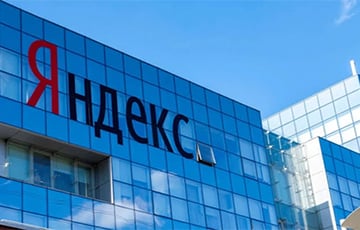
The Russian Federation's technology ecosystem has proven to be overly dependent on a single company.
Ukrainian attacks on the data centers of the tech giant Yandex have caused chaos and made daily life a living hell in key areas of everyday life in Russia, and have disrupted the operation of key everyday services in Russia, according to Financial Times.
A Moscow woman, who wished to remain anonymous, said she can no longer use the free Yandex taxi service—which is wheelchair-accessible—to take her 10-year-old son with a disability to school.
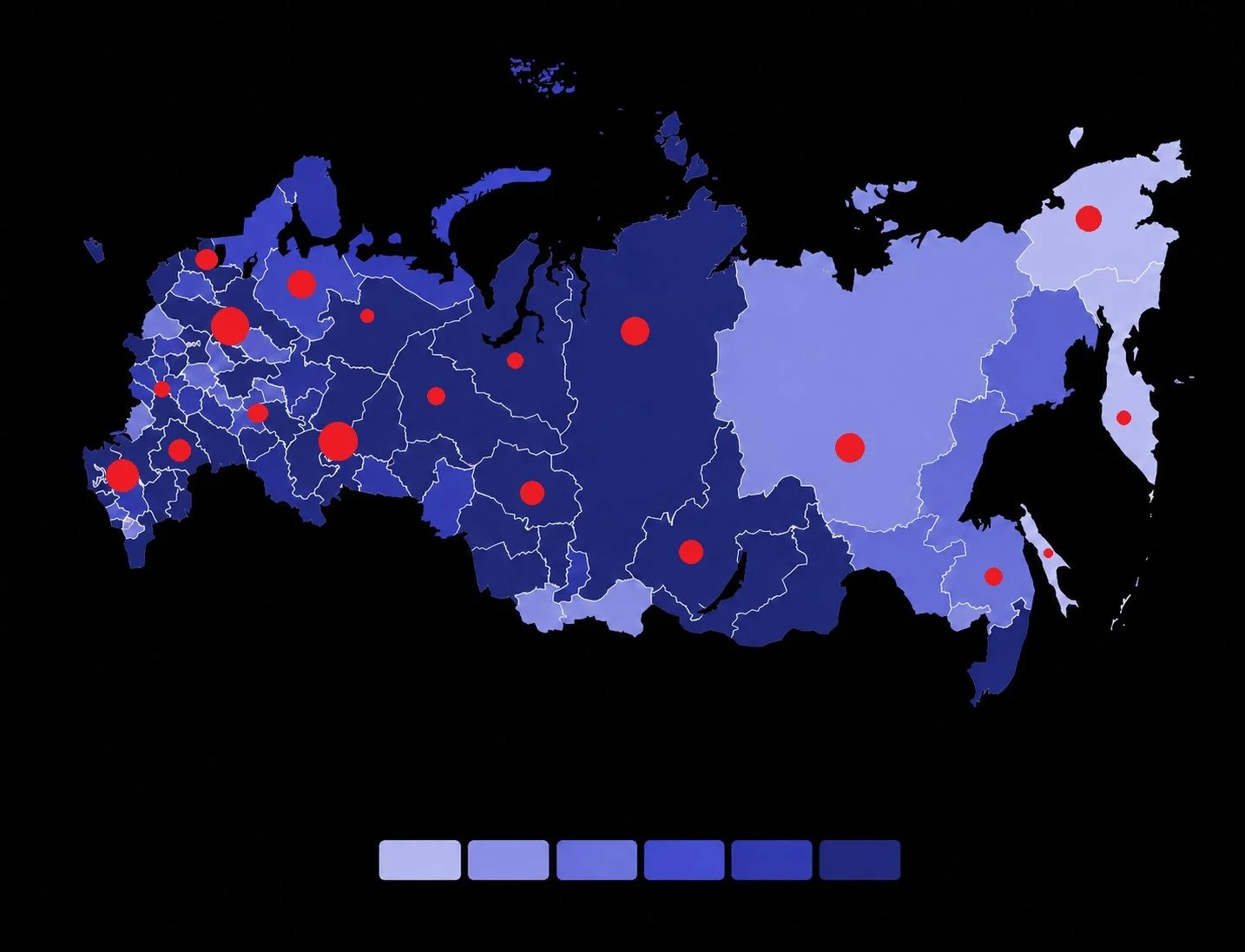
For two days, they had to take the metro, making numerous transfers and dealing with a near-total lack of elevators or ramps.
In this context, the word “chaos” is no exaggeration but a reality in Russia, whose technological ecosystem is centered around a single massive company with close ties to the state. Yandex, launched in 1997 as a search engine, has become Russia’s answer to Google, Uber, Amazon, and OpenAI all rolled into one.
In some cities, schedules have disappeared from the electronic displays at bus stops. In Moscow’s residential complexes, the barriers stopped opening: the company that maintained them also depended on Yandex’s infrastructure.
In 2014, following Putin’s statements that the Internet was a “CIA project” in which “everything goes through servers in the U.S.,” the government required Russian companies to store all customer personal data within the country. “Yandex” became a key player and, in 2024, was ultimately acquired by a consortium closely linked to the president.
The consequences for Russia turned out to be far more serious, exposing vulnerabilities created by the Kremlin’s long-standing policy of centralization and control over the IT sector. Many of these efforts centered on Yandex, which was forcibly sold in 2024 to investors linked to President Vladimir Putin.
Russia fell victim to its own policies… This led to the worst-case scenario, said Alena Epifanova, a research fellow at the German Council on Foreign Relations .

Bank's name: Bank Millennium S.A.
Address: ul. Stanislawa Zaryna, 2A, 02-593, Warszawa
IBAN: PL97116022020000000216711123
SWIFT: BIGBPLPW
Name of the account holder: Fundacja “KARTA ‘97”
Purpose/title of payment: Donation for statuary aims
You can contact us by the e-mail charter97@gmail.com