

It's Just Like In Wuhan: The Kremlin Is Trying To Cover Up A Plague Outbreak
- 4.10.2026, 8:50
- 2,044
Russian authorities publicly avoid even mentioning the name of the disease.
In Russia’s Irkutsk Region, following death of a 28-year-old Daria Shipilova, an employee of the anti-plague institute , quarantine measures have been implemented, and nearly 200 people are in isolation; however, the Russian regime led by Vladimir Putin is trying to conceal the true scale of the bubonic plague outbreak.
This is reported in an article by the British publication The Sun.
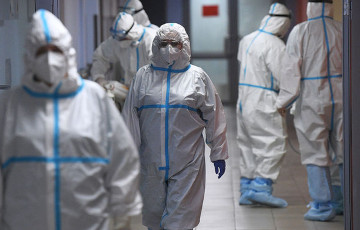
The woman fell ill after an expedition near the border between Russia and Mongolia. She was hospitalized at the Shelekhov District Hospital, where she subsequently died. Following this, the medical facility was placed under strict quarantine.
However, Russian authorities have not publicly identified the disease as the plague. The governor of the Irkutsk Region Igor Kobzev refers to it in his statements as a “dangerous infection.”
The situation has become particularly alarming due to the deceased woman’s professional activities: she worked specifically at an institution specializing in the study and prevention of particularly dangerous infections.
Meanwhile, at least 189 people have been quarantined in the region. Of these, 114 are in one hospital, and another 63 are in a different medical facility. An additional 12 people have been placed under observation directly at the Anti-Plague Institute.
It is reported that some of those in isolation have already developed symptoms of the disease. Against this backdrop, concern among local residents in the region has intensified. There are reports of increased demand for medications and antibiotics at pharmacies.
As the situation unfolded, the head of Rospotrebnadzor Anna Popova urgently traveled from Moscow to Irkutsk. However, the agency’s head has yet to provide any detailed public comments regarding the nature of the disease.
Additional questions arose following the publication of a warning for residents of Baikalsk. People were urged to refrain from traveling to Shelekhov, where the hospital linked to the incident is located. Subsequently, this message reportedly disappeared from official sources.
For their part, Russian media outlets began circulating a story claiming that a lab employee had allegedly accidentally broken a test tube containing the bacteria. However, epidemiologist Mikhail Favorov cast doubt on this version of events. According to him, employees of specialized anti-plague laboratories work with highly dangerous pathogens while wearing protective suits and adhering to specific safety procedures.
He said the woman may have experienced breathing difficulties, which is why her illness was initially mistaken for COVID-19. As a result, the patient was placed on a ventilator, but the necessary antibiotic treatment may have been delayed.
Favorov believes that such a mistake could have had serious consequences not only for the patient herself but also for the people who came into contact with her.
Developments in the Irkutsk region have already drawn comparisons to the first weeks of the coronavirus outbreak in Wuhan, China. Analysts point first and foremost to the lack of clarity in the information: authorities are imposing restrictive measures, isolating people, and making emergency public health decisions, yet they are publicly avoiding using the specific name of the disease.

Bank's name: Bank Millennium S.A.
Address: ul. Stanislawa Zaryna, 2A, 02-593, Warszawa
IBAN: PL97116022020000000216711123
SWIFT: BIGBPLPW
Name of the account holder: Fundacja “KARTA ‘97”
Purpose/title of payment: Donation for statuary aims
You can contact us by the e-mail charter97@gmail.com