
The Baltic States Have Called On The EU To Speed Up The Implementation Of A Ban On Russian Oil
- 27.06.2026, 14:58
The Financial Times has uncovered the details.
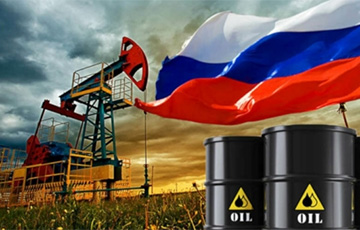
At a meeting of European Union energy ministers on June 26, Estonia, Latvia, and Lithuania called on Brussels to speed up the adoption of the postponed plans for a complete ban on Russian oil imports. According to the Financial Times, the Baltic states argue that Moscow’s revenues from energy exports directly finance Russia’s war in Ukraine. According to the publication, the European Commission has promised to present a corresponding proposal.
The European Union has already significantly reduced its dependence on Russian oil: according to European Commission data, imports from Russia accounted for just 2% of total supplies in 2025, whereas at the beginning of 2022, this figure stood at 27%. The EU also intended to completely phase out Russian gas by 2027; however, as European officials note, the war with Iran has put these plans on hold. The proposal for an oil embargo was supposed to be presented on April 15, but in March it was removed from the European Commission’s preliminary agenda.
Pushing for the ban may face resistance from countries heavily dependent on Russian oil—primarily Hungary and Slovakia—as well as member states struggling with high energy prices. However, individual countries will not be able to veto this measure, the FT notes. Poland’s Deputy Minister of Energy Wojciech Wrochna told the Financial Times that Warsaw considers it necessary to introduce the ban “by the end of the year.” “We understand the concerns regarding price, supply availability, and competitiveness. But this is the price we must pay to become independent of Russian resources,” he noted.
The calls from the Baltic states came amid a temporary agreement between the U.S. and Iran, which has increased the flow of cargo through the Strait of Hormuz. Following a meeting of energy ministers, European Commissioner for Energy Dan Jørgensen stated that the current situation in the Middle East increases the likelihood that Europe will be able to avoid a shortage of jet fuel and other petroleum products this summer. However, he cautioned: “If a [final] agreement is reached, it will take several months for the oil market to return to normal, and several years for the gas market.” Damage to infrastructure in countries such as Qatar—the largest exporter of LNG to Europe—means that some facilities will not be able to resume production quickly even in the event of a lasting ceasefire, the FT emphasizes.

Bank's name: Bank Millennium S.A.
Address: ul. Stanislawa Zaryna, 2A, 02-593, Warszawa
IBAN: PL97116022020000000216711123
SWIFT: BIGBPLPW
Name of the account holder: Fundacja “KARTA ‘97”
Purpose/title of payment: Donation for statuary aims
You can contact us by the e-mail charter97@gmail.com