


Iran Has Presented The U.S. With New Conditions For Reaching A Peace Agreement
- 1.07.2026, 8:04
- 2,334
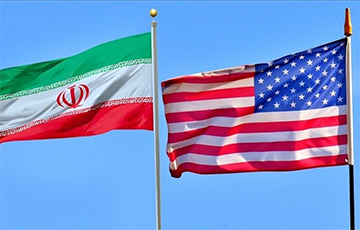
The positions of both sides on key issues differ significantly.
On Tuesday, June 30, Iran stated that it had no intention of meeting with high-ranking U.S. officials who had arrived in the region following the outbreak of hostilities, a move that has dimmed the prospects for a lasting peace between the two countries, according to Reuters.
The publication noted that Iranian officials also stated that the parties must first agree on the terms of the ceasefire signed two weeks ago before moving on to discuss more complex issues, such as possible restrictions on Iran’s nuclear program.
The article emphasizes that these developments indicate that the positions of both sides on key provisions of the initial agreement diverge significantly. In particular, the agreement stipulates that Iran will lift its blockade of the Strait of Hormuz in exchange for financial incentives, and it sets a 60-day deadline for negotiations aimed at concluding a permanent peace agreement.
According to the publication, U.S. President Donald Trump’s son-in-law, Jared Kushner, and envoy Steve Witkoff arrived in Doha for talks that the White House described as “high-level,” however, Iran and the host country—Qatar—stated that they would meet with mediators, not with the Iranians themselves.
“No meetings with the American side at any level are scheduled for the coming days,” said Iranian Foreign Ministry spokesman Esmail Baghai.
The article states that the two countries were supposed to begin technical talks at a lower level.
Shipping through the Strait of Hormuz has partially resumed; before the war began on February 28, one-fifth of the world’s oil and liquefied natural gas passed through it.
However, Iranian officials insisted on their right to regulate shipping jointly with Oman—a U.S. ally located on the opposite shore of this strategic waterway.
Notably, Iranian officials announced plans to impose duties in mid-August, when the 60-day period expires.
“Sovereignty over the Strait of Hormuz belongs to Iran and Oman, and shipping through the strait is regulated by agreements established by Iran,” said Iran’s chief negotiator Mohammad Bagher Qalibaf on state television.
The publication notes that, despite the uncertainty, oil prices have fallen compared to the weekend, when the U.S. struck Iranian military targets in response to drone attacks on merchant ships, and Iran attacked U.S. military targets in Kuwait and Bahrain.
However, as the UN Conference on Trade and Development reported on Tuesday, vulnerable economies may continue to face the threat of rising food and fuel prices even after the situation in the energy markets stabilizes.
The report explains that the war against Iran has driven up global inflation and put Trump under political pressure ahead of the November midterm elections, which will determine who controls the U.S. Congress.
“Trump and Treasury Secretary Scott Bessent are urging gasoline retailers to lower prices,” the publication notes.
It adds that the temporary agreement between the U.S. and Iran also provides for an end to the conflict between Israel and the Iranian-backed militant group Hezbollah in Lebanon.
However, Lebanon’s influential Speaker of Parliament Nabih Berri, an ally of “Hezbollah,” has expressed doubts about a separate framework agreement between Lebanon and Israel, brokered by the U.S., which is intended to end this war.
Analysts note that this agreement risks perpetuating a stalemate by linking the withdrawal of Israeli troops from southern Lebanon to the disarmament of Hezbollah.

Bank's name: Bank Millennium S.A.
Address: ul. Stanislawa Zaryna, 2A, 02-593, Warszawa
IBAN: PL97116022020000000216711123
SWIFT: BIGBPLPW
Name of the account holder: Fundacja “KARTA ‘97”
Purpose/title of payment: Donation for statuary aims
You can contact us by the e-mail charter97@gmail.com