

What Does The Uzbeks' Uprising In Belarus Tell Us?
14- 16.07.2026, 12:15
- 4,610
The thin iridescent film has been torn yet again.
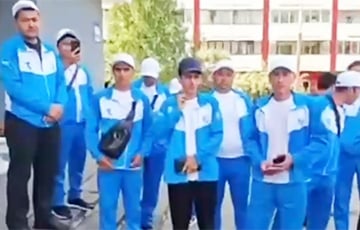
The situation with the Uzbek workers, rather than being a foreign policy success, has once again torn through the thin, rosy veil that the regime is straining to drape over the grim reality in Belarus, writes “Solidarnast”.
Our perception of Central Asia has been largely shaped by Russian chauvinistic comedy shows, in which all residents of the former Soviet colonies are portrayed as backward, destitute, and powerless. The reality is very different from this portrayal. When one of the migrant workers says he could earn $500 back home, he isn’t exaggerating much.
Uzbekistan’s economy has been performing very well in recent years, growing by an average of 6–8%, while ours grew by only 1.3% in 2025.
Uzbekistan’s economy is worth $147 billion, while Belarus’s is $93 billion.
Uzbekistan has a population of nearly 37 million—it is the most populous country in Central Asia, so on a per-capita basis, Belarus leads in GDP by nearly 2.5 times, but the overall trend shows that Uzbekistan, if it maintains its current growth rate, will rapidly close this gap.
Given the fertility rate—3.5 children per woman—the size of the economy will grow in part due to the expansion of the domestic market. The same cannot be said of Belarus, which has one of the lowest birth rates in Europe.
The most enterprising people—those who are not afraid of xenophobia, hard work, or being far from home—are heading off to distant lands in search of the ruble. Such workers would seek and find opportunities to earn more than the average wage even in their own country’s labor market; therefore, it is quite understandable why Uzbeks are dissatisfied—they see no point in working in a distant, cold country for money they could just as easily earn at home.
Returning to the topic of chauvinism, it seems that it came as a great surprise to both the government and society that the stereotypes about Central Asia—where a cult of personality surrounding local rulers reigns, and where society is oppressed and deprived of rights, are shattered by videos in which Uzbek visitors directly and openly describe the reality in Belarus.
And they ask their officials, “Where are the promised Belarusian mountains of gold?” Against the backdrop of Belarus’s concrete-drenched state terror, Uzbekistan appears much more liberal in terms of freedom of opinion and expression.
Rural residents of our regions, who live in dire and subjugated conditions, do not complain about their fate because they understand not only the futility but also the danger of such complaints. Moreover, Lukashenko’s regime recently decided to tighten the screws on complaints against officials and other government figures.
The arrival of foreign workers has shone a spotlight on the very problems that locals have either resigned themselves to, see no point in addressing, or are afraid to speak about.
When Uzbeks demand decent wages and living conditions for themselves, they are simply trying to ensure that the contract promised to them—and sold to them by a top Belarusian official—is honored. This is a foreign country to them, and they were lured to Belarus by promises of good pay. However, their demands also draw attention to the dire situation of Belarusian workers, who—for lack of alternatives—are forced to accept jobs for wages that the newcomers are not willing to work for.
And considering the growing danger of working in Russia, where a war is underway, and the increasing difficulties Belarusians face in migrating to the EU for work, the Uzbeks will leave, while Belarusians, given the current economic situation, will remain to work for whatever they’re offered, because it’s becoming increasingly difficult to go elsewhere to earn a living.

Bank's name: Bank Millennium S.A.
Address: ul. Stanislawa Zaryna, 2A, 02-593, Warszawa
IBAN: PL97116022020000000216711123
SWIFT: BIGBPLPW
Name of the account holder: Fundacja “KARTA ‘97”
Purpose/title of payment: Donation for statuary aims
You can contact us by the e-mail charter97@gmail.com