

Public Sentiment In Russia Is Changing
9- 20.07.2026, 11:24
- 17,098
Mistrust is growing.
In Russia, more and more citizens are returning to using cash, losing confidence in the banking system amid economic difficulties and disruptions to mobile internet service. This is reported by The iPaper, which analyzed the latest data from the Russian Central Bank and assessments by Western experts.
As noted in the article, since the beginning of 2026, the Central Bank of Russia has put cash equivalent to 14.8 billion pounds sterling into circulation. This is the largest increase for a comparable period in recent years, with the exception of the COVID-19 pandemic. The publication believes that this trend indicates growing distrust in the country’s economic situation and poses new challenges for the Kremlin, which has long sought to minimize the public’s perception of the war’s consequences.
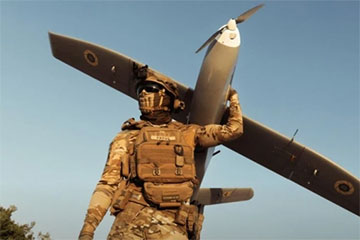
The author of the article reports that Ukraine has significantly stepped up drone strikes on Russian territory, particularly on oil refineries. In response, Russian authorities regularly shut down mobile internet to hinder drone navigation. As a result, many Russians are unable to use digital payment services and are forced to switch to cash payments.
Changes in tax policy have been an additional factor. As the article notes, starting in January, the Kremlin raised the VAT rate from 20% to 22% and lowered the threshold above which small and medium-sized businesses are required to pay this tax. As a result, some business owners have begun encouraging customers to pay in cash in order to hide their income and reduce their tax burden.
According to Kira Giles, a researcher with the Russia and Eurasia Program at the British think tank Chatham House, the return to cash may signal a broader crisis of confidence.
“It would be tempting to think that this is part of a general crisis of confidence in the economy and the systems that keep it running,” he noted.
The publication also points out that the Russian economy is already under significant pressure. Russia’s Ministry of Economy had previously downgraded its GDP growth forecast for 2026 due to falling oil revenues, high inflation, and massive military spending. Against this backdrop, fuel shortages and rationing in certain regions are only exacerbating the negative psychological impact of the Ukrainian strikes.
Despite this, the expert does not believe that economic pressure is already forcing Vladimir Putin to change his policy. According to Giles, the Russian president “has already publicly dismissed warnings from bankers and economists that the war, if it continues in this manner, will cause irreparable damage to the economy.” Therefore, there are no signs that the Kremlin is ready to take concrete steps to end the war, even as economic problems within Russia continue to mount.

Bank's name: Bank Millennium S.A.
Address: ul. Stanislawa Zaryna, 2A, 02-593, Warszawa
IBAN: PL97116022020000000216711123
SWIFT: BIGBPLPW
Name of the account holder: Fundacja “KARTA ‘97”
Purpose/title of payment: Donation for statuary aims
You can contact us by the e-mail charter97@gmail.com