
"It's Impossible To Imagine Something Like That In Belarus"
15- 21.07.2026, 12:38
- 14,086
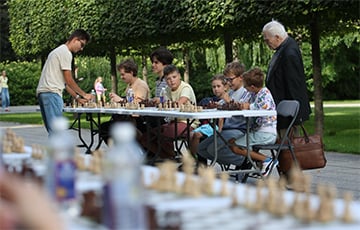
Sometimes freedom is best seen from behind a folding table with a chessboard on it.
A simultaneous chess exhibition took place at Lukišiai Square in Vilnius, hosted by the Deputy Speaker of the Seimas of Lithuania, leader of the Liberal Movement, and Lithuania’s first female grandmaster Viktorija Čmilitė-Nielsen together with her husband, Grandmaster Peter Heine Nielsen, a five-time Danish champion and longtime coach of World Champion Magnus Carlsen. Former political prisoner and blogger Dmitry Kozlov (“Gray Cat”) shared on his Telegram channel what surprised him at this event:
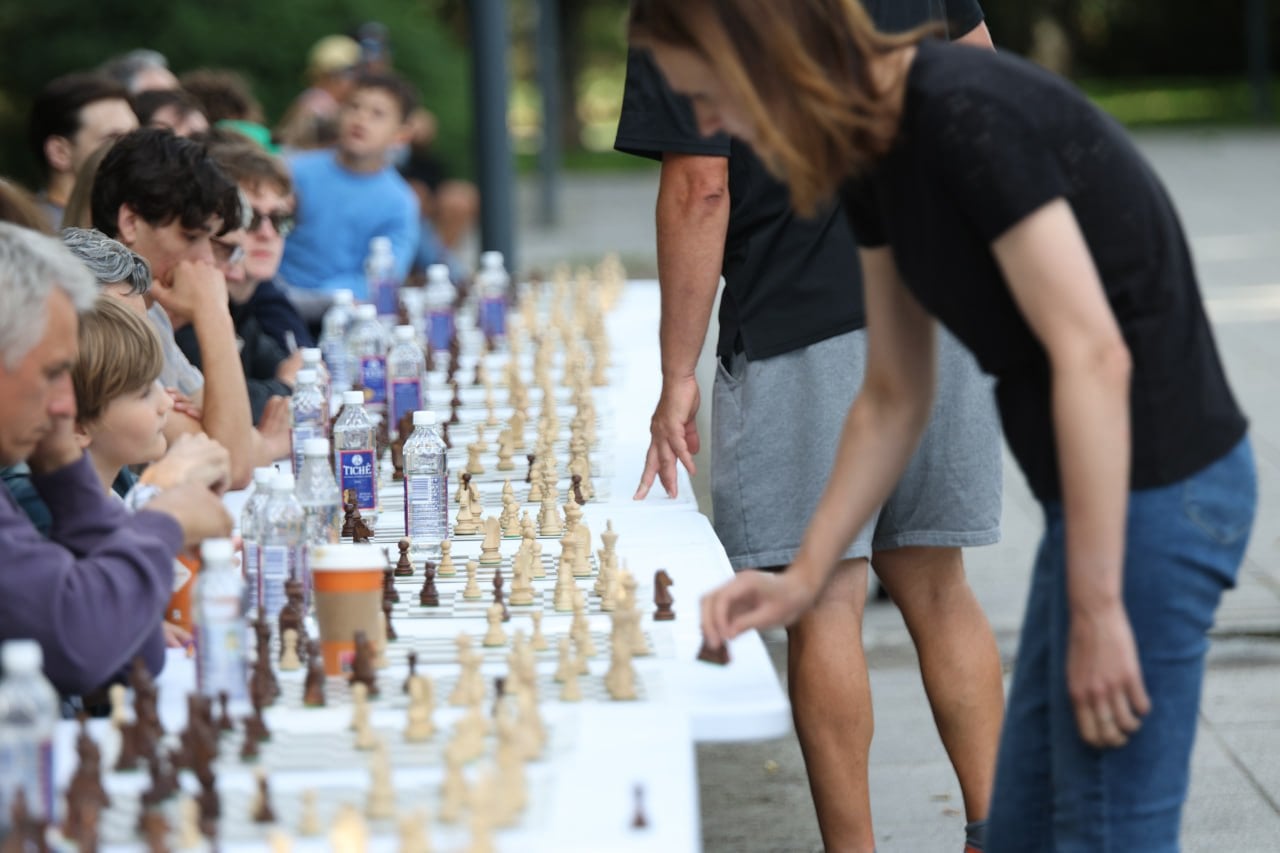
— About thirty people took the available seats at the chessboards—as many as the prepared tables could accommodate. Chmilyte and Peter Heine Nielsen simply moved from board to board and played with people, but the most surprising thing wasn’t happening on the chessboard. As someone who has lived most of my life under an authoritarian system, something else immediately caught my eye:
Sitting at the boards were the most ordinary, random people.
Not a specially recruited audience.
Not the children of high-ranking officials.
Not a pre-arranged crowd.
Not undercover security service agents disguised as players.
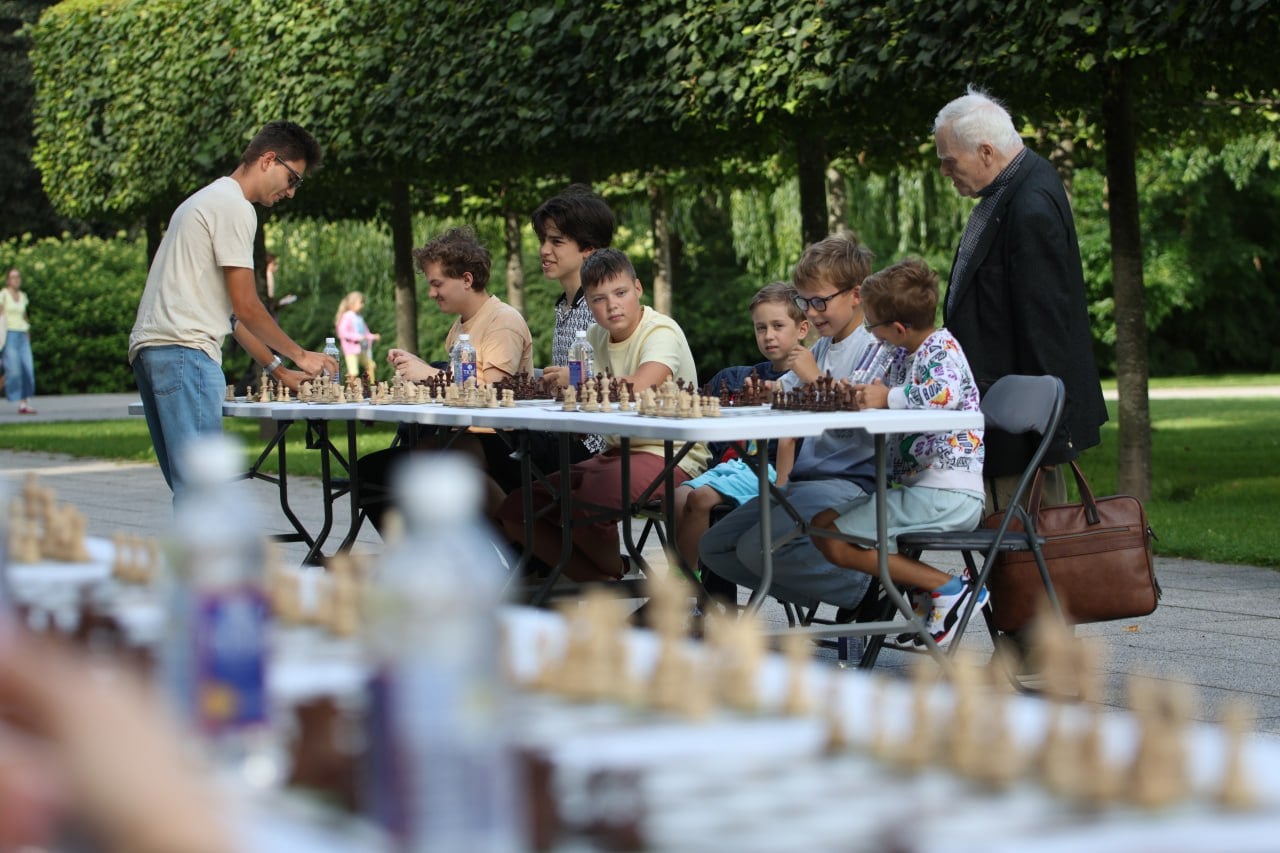
Just chess enthusiasts who were curious to come and play against grandmasters to hone their skills. And then…
It looks like the sentence is cut off—please send the rest, and I’ll edit it in.
What was even more surprising was this: the square wasn’t cordoned off, the nearby blocks weren’t blocked off, people weren’t made to walk through metal detectors, and no one was even searched! No crowds of plainclothes cops closely monitoring everyone present (there were probably a couple of security guards, just for show, but nothing more). Yes, dear Belarusians, just imagine—this really does happen!
.jpg)
Now try to mentally transport the same situation to modern-day Belarus. Can you imagine if Natalia Kochanova, Roman Golovchenko, or Igor Sergeenko were to organize a simultaneous chess match with Minsk chess enthusiasts somewhere in Chelyuskintsev Park or Kiev Square? All right, even if not chess, but at least checkers, dominoes, or cards—so that anyone who wanted to could simply walk up, sit down across from them, and play. No need to register a month in advance while the KGB digs up all their dirt, no background checks, no thorough searches, no dozens of undercover agents hanging around, no police cordon, no fear of saying the wrong thing. I get it, you’ll say: “Come on, stop trolling already—this isn’t even funny…” It’s roughly the same idea as imagining Lukashenko commuting to work by bike every day, just as Boris Johnson once did.
It’s impossible not to notice the contrast: in Lithuania, the deputy speaker of parliament (and previously the speaker) calmly spends several hours among ordinary people in the city square. In Belarus, on the other hand, even a district official is surrounded by so many bodyguards that it’s as if he were in a besieged fortress or waiting for an attack by assassins. And after all this, Belarusian state propaganda still has the audacity to tell its citizens fairy tales about the “bloody gay dictatorship of the European Union,” “state fascism in the Baltic states,” and “European terror from Brussels,” while contrasting them by calling Belarus, Russia, Iran, or North Korea “free.”
Sometimes freedom is best seen from behind a folding table with a chessboard. A place where people can simply walk in, sit down calmly at the table, and play a game with their elected representatives—who aren’t separated from them by impenetrable walls and don’t live in ivory towers. This is what distinguishes free countries from unfree ones—not the volume of propaganda slogans on TV.
.jpg)
.jpg)
.jpg)

Bank's name: Bank Millennium S.A.
Address: ul. Stanislawa Zaryna, 2A, 02-593, Warszawa
IBAN: PL97116022020000000216711123
SWIFT: BIGBPLPW
Name of the account holder: Fundacja “KARTA ‘97”
Purpose/title of payment: Donation for statuary aims
You can contact us by the e-mail charter97@gmail.com