

The Guardian: Drapato's Appointment Symbolizes The Ukrainian Armed Forces' Break With Soviet Military Culture
- 23.07.2026, 11:38
- 1,348
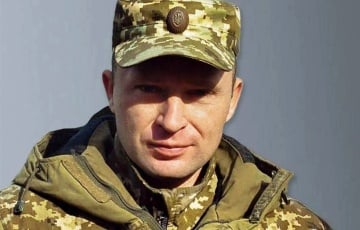
Photo: censor.net
Ukrainian society was expecting change.
The appointment of Mykhailo Drapato as the new Commander-in-Chief of the Armed Forces of Ukraine was one of the few decisions made in Ukraine during the war that received nearly unanimous support. This attests to his high standing in the country’s political, military, and public circles and helps stabilize the political climate following several days of unrest across the country. This is reported by The Guardian.
“A few days earlier, thousands of demonstrators took to the streets following the dismissal of popular Defense Minister Mikhail Fedorov, who had clashed with then-Commander-in-Chief General Alexander Syrsky over the conduct of the war. Drapaty’s appointment is likely to be viewed positively by many protesters, especially since Drapaty publicly supported Fedorov in his dispute with Syrsky,” the article notes.
In particular, Mykola Beleskov, a research fellow at the National Institute for Strategic Studies of Ukraine, stated:
“The public was expecting change. This isn’t just about changing tactics in waging war or managing combat operations. We also needed to restore trust within the country following the protests and refocus on managing the war.”
The Guardian notes that Drapaty belongs to a younger generation of Ukrainian commanders, shaped by more than a decade of combat, and has earned his reputation on the front lines.
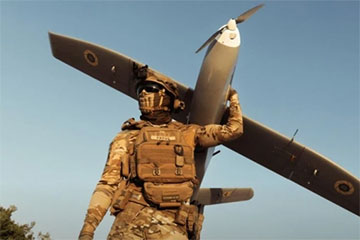
According to his supporters, he was one of the first to deploy drones on the front lines, delegated authority to junior officers, and held them accountable for their own decisions.
It is also important to Ukrainians that that Drapaty embodies a break with the Soviet command culture, which soldiers associated with Syrsky—a general whom critics accused of relying on frontal assaults and recklessly endangering soldiers’ lives.
“[Drapaty] is a critic of the Soviet mindset and micromanagement, and he is aware of the problems associated with dishonesty within the army,” noted Rob Lee, a senior research fellow at the Institute for Foreign Policy Research.
Beleskov described Drapaty as “humane and open to dialogue”—qualities that, he said, are atypical for Ukraine’s top military leadership.
He added that the new commander-in-chief is respected by both career officers and those who joined the Ukrainian Armed Forces after 2022, as he rose through the ranks on his own merits and understands the realities of the battlefield.
Furthermore, after a Russian missile strike on a training ground claimed the lives of dozens of soldiers under his command, Drapaty publicly took responsibility and resigned. This gesture earned him respect and strengthened his reputation as one of Ukraine’s most responsible commanders.
“President Zelenskyy made the best possible choice. It will take time for these changes to yield results. But I know that many soldiers are once again full of hope for change, and this is very important for morale,” emphasized a Ukrainian military analyst and veteran writing under the pseudonym Tatarigami.
Drapato is expected to improve the management of combat operations and the day-to-day functioning of the army. However, many of the most serious challenges facing Ukraine in the context of the war go beyond the authority of any commander-in-chief, according to Beleskov.
“There is a risk that in six months he will be blamed for problems he cannot fully control. Many of the most critical challenges facing Ukraine fall outside his authority,” he warned.

Bank's name: Bank Millennium S.A.
Address: ul. Stanislawa Zaryna, 2A, 02-593, Warszawa
IBAN: PL97116022020000000216711123
SWIFT: BIGBPLPW
Name of the account holder: Fundacja “KARTA ‘97”
Purpose/title of payment: Donation for statuary aims
You can contact us by the e-mail charter97@gmail.com