


Why Did Uzbeks Refuse To Work In Belarus?
3- 23.07.2026, 14:45
- 2,048
Journalists compared salaries in Russia, Europe, and South Korea.
Following complaints from Uzbek workers regarding working conditions in Belarus “Belsat” looked into how much one can earn in Uzbekistan itself and what salaries are promised to migrant workers in Russia, South Korea, and some European countries. It turned out that earnings can be several times higher than in Belarus, although even there, employers’ promises do not always match reality.
How Much Do People Earn in Uzbekistan
According to data from Uzbekistan’s statistical agency, in the first quarter of 2026, the average salary in the country was 6.83 million sum (about $565 at the current exchange rate). There is a very wide range across different industries. The highest salaries are found in finance and insurance ($1,541), information and communications ($1,370), as well as public administration, defense, and mandatory social security ($954.43).
The lowest salaries are in education ($382.65), health care and social services ($340.85), and agriculture, forestry, and fisheries ($290).
In response to the news about the average salary, people are wondering where this “parallel Uzbekistan” is, where people earn so much.
“Share the location of this Uzbekistan—I want to live there,” people write in the comments.
At the same time, millions of sum can disappear very quickly. UzNews published a video survey in which people were asked what they spend their money on. One guy said he spends the most on food and taxis, with taxis alone costing him 2 million sum (about $165)—nearly a third of the average salary.
Another person said that eating a healthy breakfast at a restaurant alone costs 80,000 soums ($6.6).
“I spend 200–300 bucks a month just on food,” adds a third person.
One young woman said she spends $600–700 a month on clothes.
Some commenters note that the video was filmed on an avenue in central Tashkent, on “Broadway.”
“Broadway isn’t Uzbekistan,” a commenter points out, highlighting the difference in living standards between the capital and other regions.
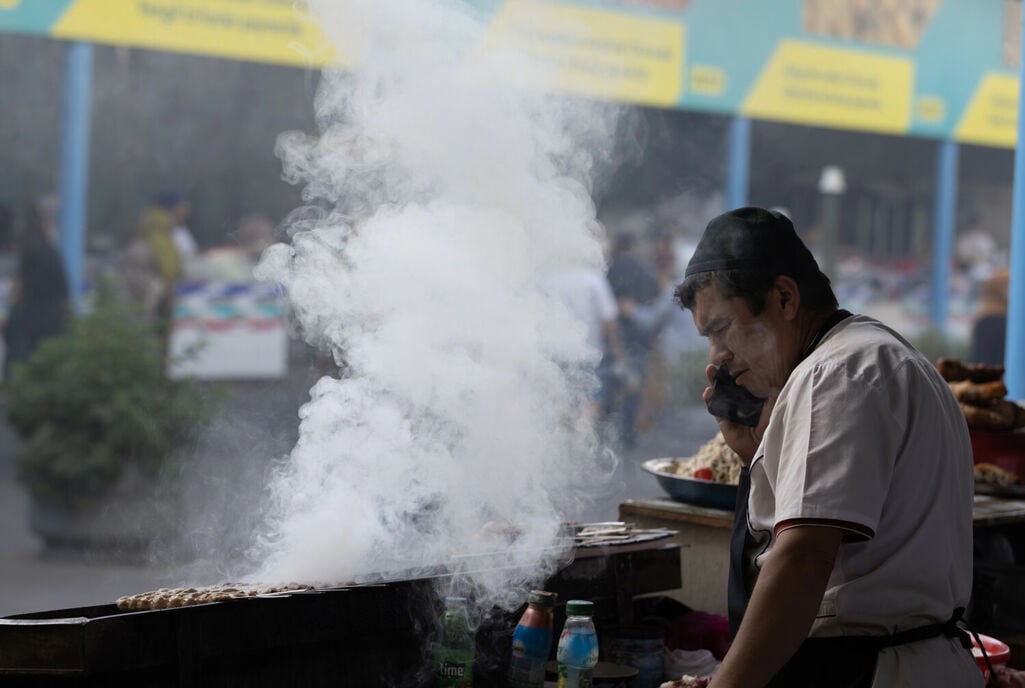
How much can Uzbeks earn in Russia?
Since Uzbekistan’s population is growing rapidly and it’s difficult for young people to find well-paying jobs, many are looking for ways to earn money abroad.
Russia is the most popular destination for migrant workers from Uzbekistan. According to Rakhim Khakimov, Deputy Advisor to the President of Uzbekistan, approximately 1.3 million Uzbeks are temporarily employed there. In 2025 alone, about 106,000 Uzbek citizens went to work in Russia as part of an organized recruitment drive—that is, through the same mechanism used to send them to Belarus in early July.
It is noted that about 50,000 people were placed at major companies, including Gazprom, Lukoil, Kamaz, AvtoVAZ, Ozon, and SPAR.
If you search for job openings on your own, you can find many positions in Russia for workers from CIS countries. Sometimes Uzbekistan is specifically mentioned in these listings. These jobs often involve manual labor, but you can earn a decent wage if the conditions are as advertised.
For example, a warehouse worker with no experience is wanted in Novosibirsk. They’re offering 4,000–7,000 Russian rubles per shift. If there are 22 shifts per month, that’s 88,000–154,000 Russian rubles (about $1,120–1,960). As for perks, transportation to work is covered.
In the Moscow Region, a production assembler is needed, also with no prior experience, for a salary of 100,000–220,000 Russian rubles (about $1,270–$2,810). Among other things, Uzbek citizens are promised assistance with housing and paperwork.
General laborers on a construction site in Moscow are offered starting at 180,000 Russian rubles (about $2,300).
“What workers receive: uniforms, housing, health insurance, meals, recreational areas, transportation to work, gifts for children on holidays, training, and reimbursement for travel to and from work,” the job description states.
Hotel housekeepers in St. Petersburg can earn starting at 120,000 Russian rubles ($1,530) plus meals. The job postings emphasize that this is stable work with an “official” salary and payment of all insurance premiums, including for citizens of Uzbekistan.
However, in Russia, migrant workers may face harassment by law enforcement, especially following the tightening of migration policies in 2024 in the wake of the terrorist attack at “Crocus City Hall.” In 2025, the Uzbek Embassy in Moscow even sent a diplomatic note to the Russian Ministry of Foreign Affairs regarding a harsh raid on a migrant dormitory.

Uzbeks in South Korea
Another popular destination for Uzbeks is South Korea. As of early 2026, there were 100,000 Uzbeks in South Korea, according to Uzbekistan’s ambassador to South Korea Alisher Abdusalomov. However, 9% of them have turned to illegal work, and South Korea is now threatening to stop issuing visas.
It’s possible to earn a decent living in South Korea. For example, in 2024, the Uzbekistan Migration Agency reported that, for the first time, 100,000 Uzbeks would be invited to apply for jobs in South Korea.
At that time, workers were being recruited for manufacturing (22,300 job openings), agriculture (6,900 job openings), the hotel and restaurant industry (5,400 vacancies), and construction (2,900 vacancies).
According to the agency, the average salary at that time was $2,000–$2,500.
However, to pass the selection process, applicants had to attend special Korean language courses and pass an exam.
Alisher Abdusalamov explained that South Korea allocates 5,000 visas annually for seasonal work for Uzbek citizens, but only about 600 people take advantage of this opportunity.
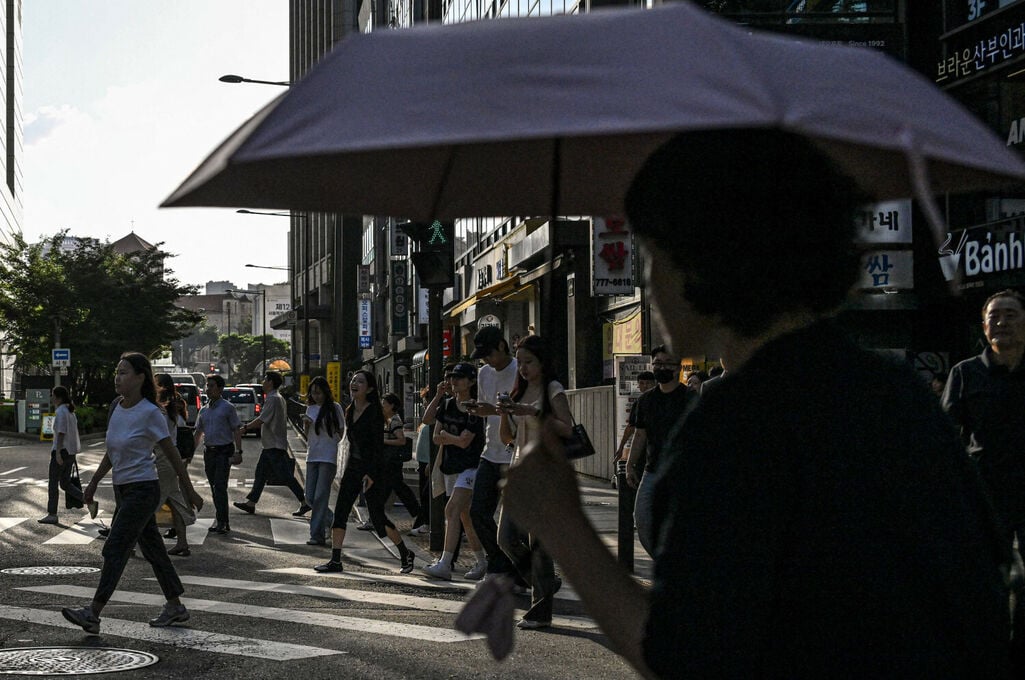
Europe Is Welcoming More and More Uzbeks
Amid growing challenges faced by migrants from Uzbekistan in Russia, people have increasingly turned their attention to Europe, and the authorities are trying to facilitate this by signing agreements with various countries. In 2025, Germany allocated 50,000 jobs for Uzbeks. Among others, they are interested in people with medical training. They will also need to learn some German beforehand.
In the spring of 2026, Uzbekistan’s migration agency announced the opportunity for mid-level medical professionals to be hired in Germany for 800 job openings.
To qualify, applicants must have a B2 level of German proficiency—special free 10-month courses are available. In addition, a stipend and free housing are promised.
If a candidate passes the selection process, they are promised a salary of €1,900 for 39 working hours per month, and €2,500 after three months of work and confirmation of their qualifications.
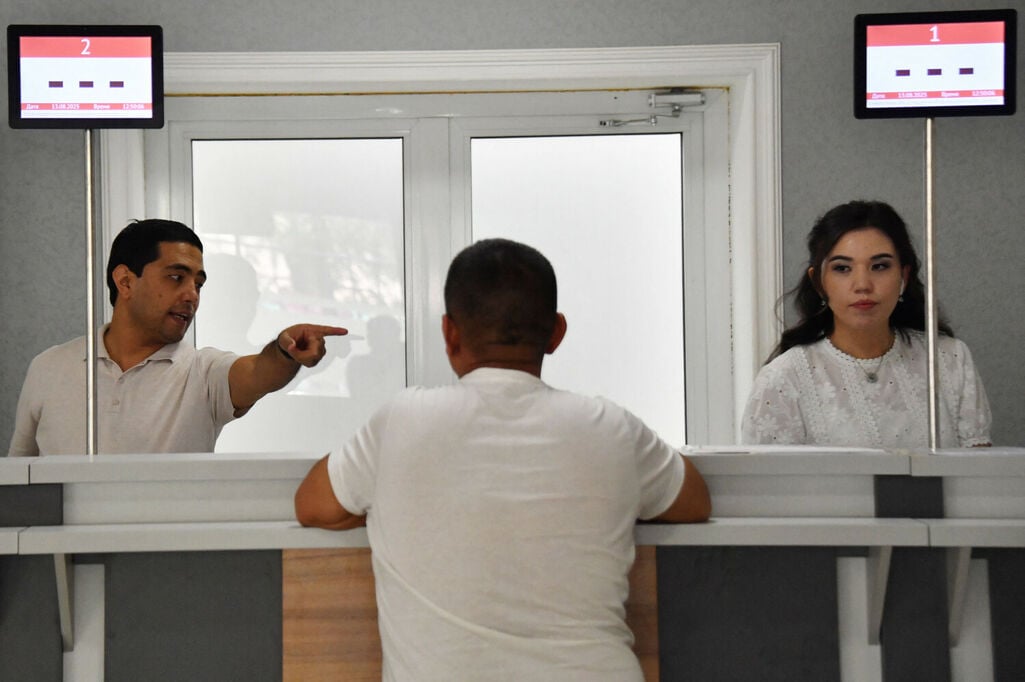
In early 2026, Uzbekistan’s Migration Agency published several job openings from a private agency seeking workers for Lithuania. One of the offers is for work at a poultry farm. The job involves packaging, labeling, and loading products. The promised salary is $1,000–1,700.
There were also job openings in construction, ranging from concrete workers to plumbers, roofers, and so on. There were 100 such positions available, with salaries starting at $1,000—depending on work experience and qualifications.
The employer promises housing, official employment, and the possibility of long-term employment. Candidates must cover the costs of their visa, airfare, and meals.
However, searching for work through job postings published by Uzbekistan’s migration agency and agreements between countries does not guarantee that a person’s expectations in Europe will not be dashed, as has happened in Belarus. “Radye Svoboda” reported the story of Ulugbek, who was forced to go to Slovakia to find work; he found a job posting on the agency’s Telegram channel to avoid scammers, but his experience was still a negative one—he worked there for only a month.
“In Tashkent, they asked me, ‘Are you able to work 12-hour days sometimes?’ I said, ‘Yes.’ But when I started working, I found out that I had to work that schedule every single day. Not everyone can handle a 12-hour shift on their feet. The second thing they don’t tell our citizens when placing them in jobs in Europe: The migration agency doesn’t sign direct contracts with employers; instead, it works with intermediary agencies. These agencies take 40% of the migrant’s salary for themselves. Before we left, they told us, “You’ll earn 2,000–3,000 euros a month.” In the end, they paid us half that. I started complaining that we’d been deceived. The employer didn’t like that,” Ulugbek said.
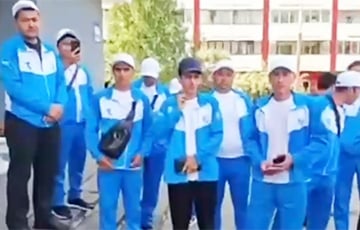
In July, more than 200 workers from Uzbekistan arrived in Belarus. After spending several days in the country, they said they wanted to leave because of poor conditions: some were housed in a room in need of major repairs, and they intended to pay only $500, even though the migration agency claimed that the contracts stipulated a salary of $900–$1,200.
On July 15, after the complaint went viral on social media, a press release was published on the website of the President of Uzbekistan, in which he drew attention to the situation of Uzbek workers in Belarus and reiterated the need to honor the agreements. At a meeting with the President of Uzbekistan Shavkat Mirziyoyev on July 8–9, Alexander Lukashenko promised excellent working conditions for Uzbek workers in Belarus.
Later, the man recorded a video message in Uzbek, in which he stated that he was the one who had shared the video containing the complaints, but that he had been “misunderstood,” and that now everything is fine—in Belarus, he has a signed agreement with a salary of $700, and his employer will allegedly provide free housing and meals.

Bank's name: Bank Millennium S.A.
Address: ul. Stanislawa Zaryna, 2A, 02-593, Warszawa
IBAN: PL97116022020000000216711123
SWIFT: BIGBPLPW
Name of the account holder: Fundacja “KARTA ‘97”
Purpose/title of payment: Donation for statuary aims
You can contact us by the e-mail charter97@gmail.com