


Lukashenko Shared The Results Of A Crazy Experiment
3- 13.08.2026, 21:25
- 3,312
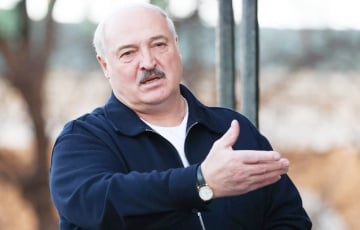
The dictator fertilized the field with salt.
On August 13, Lukashenko met with top harvesters near Minsk. There, in a conversation with Grigory Chuiko , head of the Zhdanovichi Agricultural Complex , he spoke about the progress of the experiment he proposed involving the Soligorsk salt dumps:
“Remember, I mentioned moving a larger amount of this waste from the potash plant and applying it to poor soil. So we took a field… You probably didn’t pay much attention—Turchin is in charge there. We applied this waste to one field; the second field received organic matter, and the third field received a mixture of organic matter and this waste. We planted corn. Well, of course, it’s been such an unusual year—the corn is absolutely magnificent. And that’s true for all three plots. The scientists are the ones doing the work there.”
It should be noted that waste from potash production consists mainly of table salt.
It’s worth recalling that Lukashenko’s idea was dismissed by the chemist Sergei Besarab.
Sergey Besarab believes that the “astonishingly simple, yet essentially insane recipe” proposed by Alexander Lukashenko could lead to serious environmental problems.
According to him, high concentrations of salts in the soil can cause what is known as osmotic shock in the short term. When the salt content in the soil solution significantly exceeds the osmotic pressure inside plant roots, the roots lose their ability to absorb water. Moreover, osmotic processes begin to draw moisture out of the cells. As a result, seeds may fail to germinate at all due to chloride toxicity, and any sprouts that do emerge will quickly die. Consequently, the field risks turning into a barren, saline wasteland.
The scientist also draws attention to the long-term consequences. Precipitation will gradually leach the salts into deeper soil layers. At the same time, sodium ions can displace calcium from the soil complex, which destroys the soil structure. As a result, the soil—which may already be poor sandy soil—will eventually become hard as cement during droughts and turn into sticky, poorly aerated mud during wet weather.

Bank's name: Bank Millennium S.A.
Address: ul. Stanislawa Zaryna, 2A, 02-593, Warszawa
IBAN: PL97116022020000000216711123
SWIFT: BIGBPLPW
Name of the account holder: Fundacja “KARTA ‘97”
Purpose/title of payment: Donation for statuary aims
You can contact us by the e-mail charter97@gmail.com