
The EU Has Revived A Plan To Seize Russian Reserves For The Benefit Of Ukraine
1- 27.08.2026, 13:26
It had not been implemented previously due to objections from Belgium.
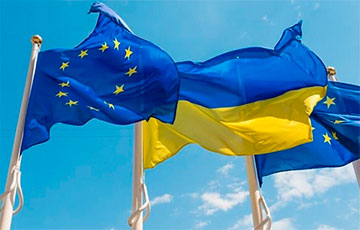
A group of EU member states, including Sweden, the Netherlands, Spain, and Poland, has called on the European Commission to resume work on the “reparations loan”—a plan to use Russia’s frozen assets to finance Ukraine. The countries are also asking for an update on progress in developing alternative legal and technical mechanisms that would help circumvent Belgium’s veto, according to Financial Times four people familiar with the document.
This plan failed in December due to objections from Belgium, where nearly the entire amount of the 210 billion euros frozen in Europe is held at the Euroclear depository. The EU then decided to allocate 90 billion euros to Ukraine from its budget, secured by collateral. It was also decided to “continue working on… establishing a reparations loan based on cash balances associated with Russia’s frozen assets.” However, according to one of the FT’s sources, “nothing has changed” since then. Therefore, the countries are now requesting a report from the European Commission in order to resume the search for a solution. This is all the more urgent given that Ukraine, which is enduring Russian bombings, is once again running short of funds.
“Now is the time to start a new discussion on how we can use frozen Russian assets more effectively in the interests of Ukraine and our own,” said Swedish Foreign Minister Maria Malmér Stenergård. “This is a fair and reasonable way to ensure that Ukraine can defend itself and all of Europe.”
According to one of the FT’s sources, the letter is “a call for the European Commission to do the technical work” on utilizing Russian reserves and meeting Kyiv’s budgetary needs. At a meeting of the “coalition of the willing” on Monday Volodymyr Zelenskyy reported a funding shortfall of 23.1 billion euros at the Ministry of Defense, which must be covered to continue military operations.
The shortfall arose because expenditures planned for the second half of the year were brought forward to the first half. This enabled the Ukrainian Armed Forces to conduct an effective, large-scale operation to launch medium- and long-range strikes against Russian positions, both in the rear—including supplies to Crimea—and within Russia itself. But now the Ministry of Defense lacks the funds to pay personnel, provide social support, and procure weapons, including 6 billion euros in advance payments for deliveries scheduled for early 2027.
At the same time, Ukraine urgently needs to develop and begin production of interceptors capable of countering the ballistic missiles with which the Russian army is shelling its cities on an almost daily basis.
Zelenskyy asked the EU to disburse part of the 90 billion euro loan ahead of schedule, with half to be paid out this year and the other half next year. Officials in Brussels fear that this move could undermine the fragile compromise on phased financing for Kyiv—and that Ukraine would have to seek additional funds.
Since December, no one has put forward a new proposal that would allow the political obstacles that arose at that time to be circumvented, an EU official familiar with the internal discussions told the FT:
“But we can refine and adjust those same legal proposals, and if the political situation changes, they may be adopted.”

Bank's name: Bank Millennium S.A.
Address: ul. Stanislawa Zaryna, 2A, 02-593, Warszawa
IBAN: PL97116022020000000216711123
SWIFT: BIGBPLPW
Name of the account holder: Fundacja “KARTA ‘97”
Purpose/title of payment: Donation for statuary aims
You can contact us by the e-mail charter97@gmail.com