

The Race For The Position Of UN Secretary-General Is Entering A Decisive Phase
- 10.09.2026, 16:45
- 1,024
He may be chosen behind closed doors.
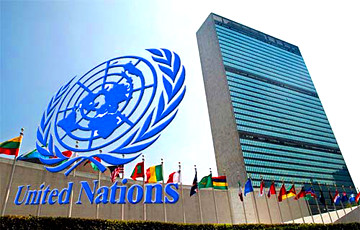
When António Guterres steps down as UN Secretary-General at the end of 2026, his successor will have to deal with wars, economic crises, the consequences of climate change, and growing tensions between nations. At the same time, the organization itself is facing serious financial problems, and its relations with the United States have noticeably deteriorated, writes The Conversation.
The selection of a new Secretary-General is being called one of the most important decisions the international community will make this decade. However, it would be naive to expect a “UN savior” to emerge.
Formally, the General Assembly appoints the Secretary-General upon the recommendation of the Security Council. In practice, the five permanent members of the Security Council—the United States, Russia, China, France, and the United Kingdom—play a key role. Each of these countries has the right of veto.
Since 2016, the procedure has become more transparent. Candidates present their platforms and participate in public debates. But the current geopolitical situation could bring the selection process back to behind-the-scenes negotiations among the major powers.
“The U.S. and Russia want a secretary, not a general,” the authors of the article write.
At the same time, the future Secretary-General will still have to make decisions independently. The head of the UN serves simultaneously as a diplomat, a political leader, and the head of a vast bureaucratic system.
His capabilities depend directly not so much on formal powers as on the ability to understand the balance of power and identify moments when the organization can truly influence the situation.
“The Secretary-General will not be able to lead the UN to paradise, but he is capable of helping to save it from hell,” the authors note, quoting former Secretary-General Dag Hammarskjöld.

Bank's name: Bank Millennium S.A.
Address: ul. Stanislawa Zaryna, 2A, 02-593, Warszawa
IBAN: PL97116022020000000216711123
SWIFT: BIGBPLPW
Name of the account holder: Fundacja “KARTA ‘97”
Purpose/title of payment: Donation for statuary aims
You can contact us by the e-mail charter97@gmail.com