
Lithuania Responded To Moscow's Ultimatum
- 13.09.2026, 8:31
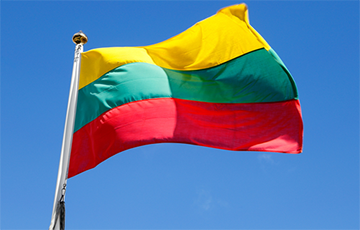
The country will not back down from its decision to deploy nuclear weapons.
Lithuanian politicians rejected the Kremlin’s threats following statements by the press secretary of the Russian Federation’s dictator Dmitry Peskov and the deputy head of the Russian Federation’s Security Council Dmitry Medvedev regarding the possible deployment of nuclear weapons in the country. Vilnius views such statements as an attempt to exert political and psychological pressure, which should not influence the state’s decision.
This was reported by LRT.
Laurynas Kaščiūnas /b>, deputy chair of the parliamentary Committee on National Security and Defense, called the Kremlin representative’s remarks a tool of political and psychological pressure. According to him, such tactics by Russia are nothing new, and amending the constitutional provision will not in itself change Lithuania’s status from Moscow’s perspective.
Member of the parliamentary committee Dainius Gaižauskas also stated that Lithuania became a potential target for Russia immediately after joining NATO. In his view, the Kremlin’s warnings are not only directed at Vilnius but are also intended to intimidate the populations of Alliance countries and demonstrate Russia’s ability to exert pressure on the West.
He added that, in his view, lifting the constitutional ban is necessary so that Lithuania can fully utilize the defense capabilities provided by NATO. Otherwise, the country risks becoming a weak link in the North Atlantic Alliance.
At the same time, the key response from Lithuanian politicians to the Kremlin boils down to the fact that Lithuania is already among Russia’s potential targets due to its NATO membership, and therefore Moscow’s threats should not dictate the country’s decisions regarding its own security.
Context of Lithuanian Politicians’ Reaction
As early as this winter, Lithuania may amend its Constitution to allow the deployment of nuclear weapons on its territory. Back in the summer, Lithuanian President Gitanas Nausėda stated that there was “virtually unanimous” support among the leaders of the parliamentary parties for the idea of lifting the ban on nuclear weapons in the country.
The day before, Dmitry Medvedev Lithuania Responded to Moscow’s Ultimatum—Threatened Lithuania with Consequences if any weapons, including nuclear ones, were deployed on its territory. He claimed that in the event of a Russian response, NATO would allegedly not come to the country’s defense.
Due to Russia’s aggression in Ukraine and Trump’s continued drift away from NATO, European countries are considering various means of nuclear defense.
For example, in late June 2026, Finnish President Alexander Stubb officially signed amendments to the Nuclear Energy Act. This step finally permitted the import, transit, and storage of nuclear weapons on the country’s territory as part of its integration into NATO’s defense system.
Meanwhile, Poland and France have begun concrete negotiations on a “nuclear umbrella.” The parties held the first meeting of a special coordination group.

Bank's name: Bank Millennium S.A.
Address: ul. Stanislawa Zaryna, 2A, 02-593, Warszawa
IBAN: PL97116022020000000216711123
SWIFT: BIGBPLPW
Name of the account holder: Fundacja “KARTA ‘97”
Purpose/title of payment: Donation for statuary aims
You can contact us by the e-mail charter97@gmail.com