


Two Ginger Cats Gave The Scientists An Incredible Surprise
- 30.09.2026, 15:42
- 1,168
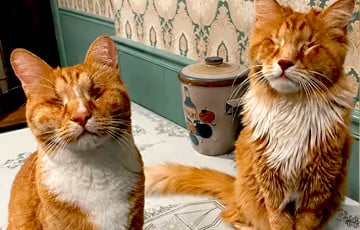
Geneticists discovered an unexpected DNA trait in the brothers.
Gary and Shaggy are the first known domestic cats with the rare Marfan syndrome. These brothers are so special that they’ve caused a sensation in the world of feline genetics.
Gary and Shaggy, two ginger cats, are truly extraordinary animals. A recent study showed that they are the first known domestic animals to have been diagnosed with Marfan syndrome. It should be noted that this genetic disorder is quite rare not only in the animal world but also in humans—it affects approximately one in 4,000 people, according to IFLScience.
Marfan syndrome is a disorder of the connective tissue that holds all the body’s organs and structures in place. When this “scaffold” changes, symptoms can manifest in virtually any part of the body. Studies have also shown that Marfan syndrome is caused by a mutation in the fibrillin-1 (FBN1) gene.
According to the Marfan Foundation, people with this syndrome most commonly experience problems with their circulatory system, skin, bones, lungs, eyes, and head. Patients often have nearsightedness, and the skull may be more elongated and narrow, leading to features such as crowded teeth or a characteristic eye shape—with downward-sloping outer corners.
Scientists note that heart and blood vessel problems are also widespread among patients with Marfan syndrome—they affect about 90% of all people with the syndrome. These conditions can be serious and life-threatening, but once diagnosed, there are treatment options available.
It should be noted that in most cases, Marfan syndrome is inherited, although mutations in the FBN1 gene can sometimes occur spontaneously. In such situations, certain physical characteristics—such as the shape of the eyes and unusually long limbs, which are characteristic of people with this condition—may point to the diagnosis.
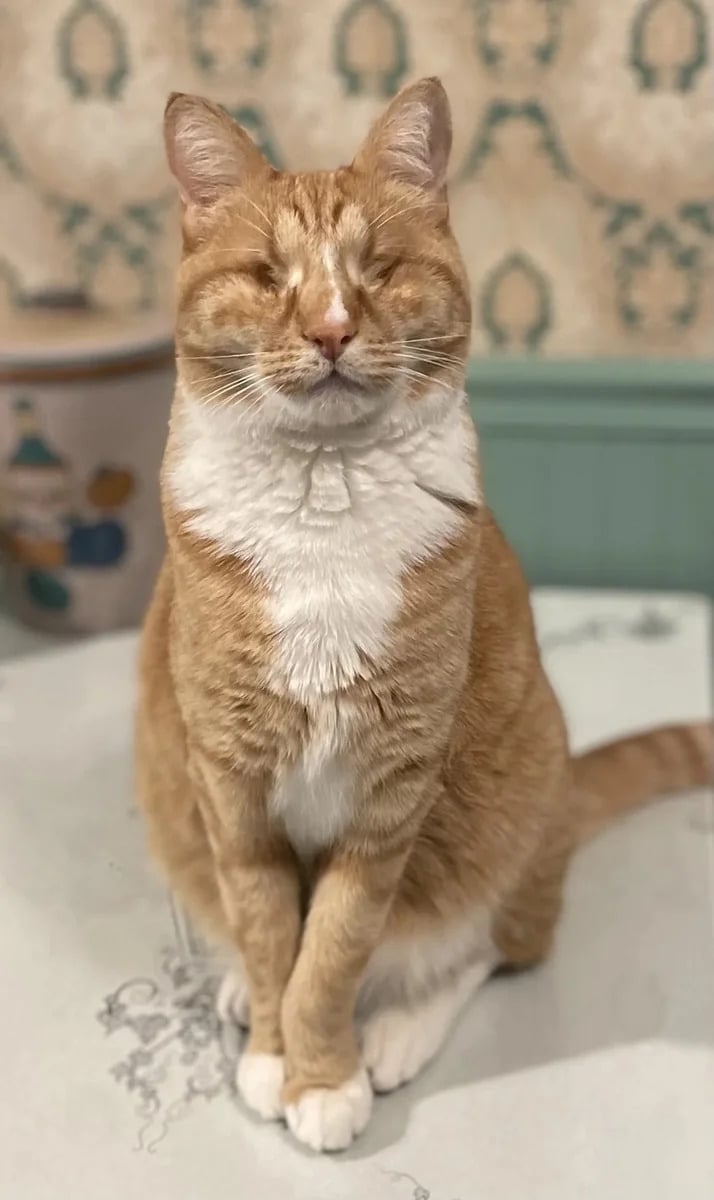
This, incidentally, was observed in Gary and Shaggy—even at a young age, they had noticeably elongated paws. For example, researchers found that Gary’s radius and tibia were more than 42% longer than those of the average male domestic shorthair cat.
Further studies also revealed abnormalities in the structure of the eyes and the aorta, which is the body’s main artery. According to the study’s senior co-author, Cornell University Associate Professor Dr. Jacqueline Evans, all signs pointed to Marfan syndrome.
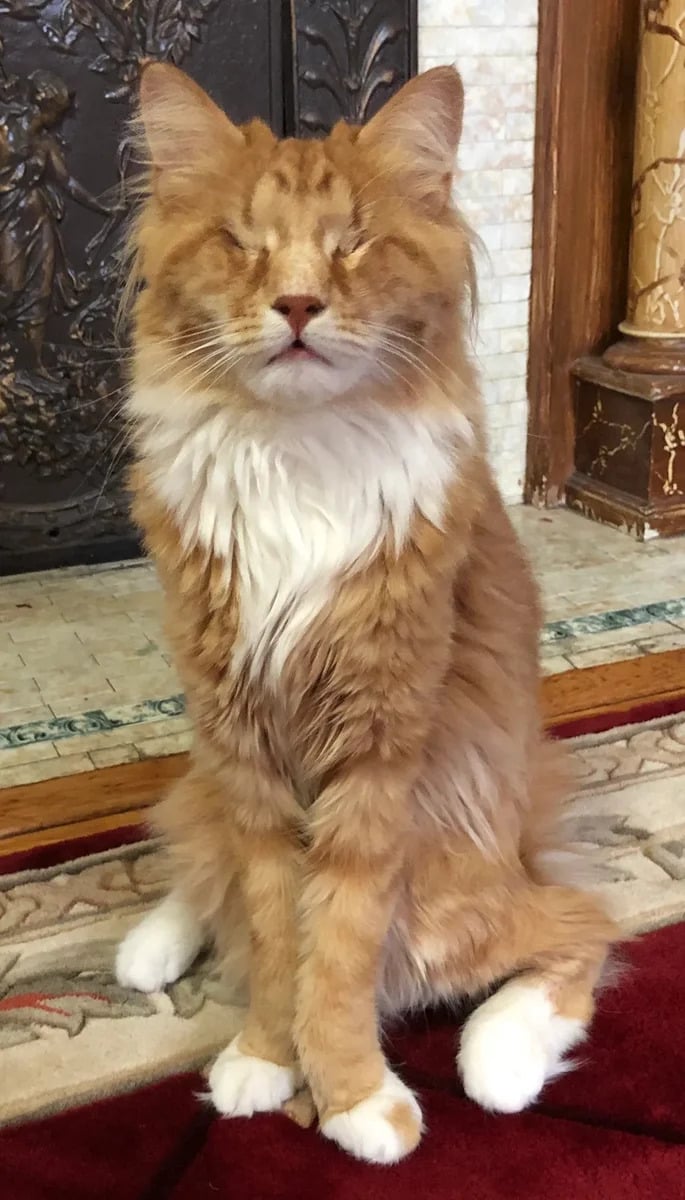
This extremely rare case brought together a large interdisciplinary team of veterinary specialists and geneticists from research institutions in the U.S. and Europe. Tests confirmed the presence of mutations in the FBN1 gene in the cats. Moreover, in both cases, both copies of the gene were affected—this came as a real surprise to the scientists, since in humans, a single mutated copy is sufficient for the development of Marfan syndrome, and individuals with both copies affected are extremely rare.
The researchers discovered that in the case of the ginger cats, the mutation did not completely shut down the gene, so the animals’ bodies were still able to produce some amount of the FBN1 protein. It is believed that this is precisely what allowed Gary and Shaggy to reach adulthood—though one stage of their treatment required the removal of the animals’ eyes. Shaggy lived for 7 years and 2 months, and his brother Gary lived for 5 years and 10 months.
Incidentally, Marfan syndrome had previously been detected in only one other animal species besides humans—cows.

Bank's name: Bank Millennium S.A.
Address: ul. Stanislawa Zaryna, 2A, 02-593, Warszawa
IBAN: PL97116022020000000216711123
SWIFT: BIGBPLPW
Name of the account holder: Fundacja “KARTA ‘97”
Purpose/title of payment: Donation for statuary aims
You can contact us by the e-mail charter97@gmail.com