


Putin Has Already Given China $27 Billion In Discounts On Russian Oil
6- 4.09.2026, 16:28
- 2,420
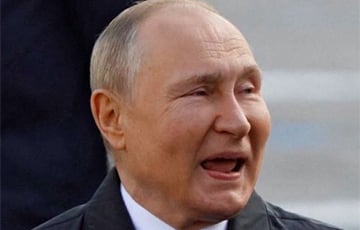
Beijing continues to profit from Moscow's dependence.
Having become the largest buyer of Russian oil since the start of the war with Ukraine and the imposition of Western sanctions, China continues to reap multibillion-dollar profits from discounted Russian oil shipments, according to The Moscow Times.
The total economic benefit China has derived from its oil cooperation with Moscow has reached $27 billion, Rosneft CEO Igor Sechin said at the opening of the 8th Russia-China Energy Business Forum.
According to him, this estimate is based on figures from 2022. It was then that tankers from Russian ports—which had previously served customers in Europe—began sailing to China. Currently, the share of Russian oil in China has reached a record 27 percent, with total shipments exceeding 100 million metric tons per year and reaching 67 million metric tons in the first seven months of this year, Sechin noted, citing statistics.
“Thanks to the greater cost-effectiveness of purchasing Russian oil compared to the Middle Eastern alternative, the cumulative economic benefit to China starting in 2022 amounts, according to our estimates, to $27 billion,” said the head of Rosneft. At the current exchange rate, China’s savings amount to 2.3 trillion rubles — an amount equal to one and a half times the annual budget of the Moscow Region (1.6 trillion rubles) and four times the annual budgets of large regions such as the Krasnoyarsk Krai or the Sverdlovsk Oblast (552 and 527 billion rubles, respectively).
According to Argus Media, as of the end of August, Urals crude was selling in Russian ports at a discount of $26–27 per barrel relative to Brent. Part of this discount ends up in the pockets of carriers who deliver oil via a “shadow fleet” to Asian ports. However, even upon arrival in China, Russian oil remains cheaper than its counterparts from other countries.
According to estimates by the Gaidar Institute, discounts reached their peak—16% relative to prices from other suppliers to China—in the summer of 2022. By the end of 2023, the average discount for Chinese customers had fallen to 5% relative to Brent; in 2024, it had virtually disappeared; and in 2025, it began to rise again: 2.8% in the first quarter and 6.3% in the second. By the end of the year, following the imposition of sanctions against Rosneft and Lukoil, they reached 8.3%.
India—the second-largest buyer of Russian oil after China—saved $12.6 billion from discounts offered by Russian oil companies between 2022 and 2025, the Indian Express reported, citing customs statistics. In 2022, Indian refineries saved $4.873 billion, $5.411 billion in 2023, $1.45 billion in 2024, and another $835 million in the first half of 2025. “Buyers are demanding additional compensation for sanctions and logistical risks, so the rise in global prices is only partially reflected in the cost of Russian crude,” notes Freedom Global analyst Vladimir Chernov .

Bank's name: Bank Millennium S.A.
Address: ul. Stanislawa Zaryna, 2A, 02-593, Warszawa
IBAN: PL97116022020000000216711123
SWIFT: BIGBPLPW
Name of the account holder: Fundacja “KARTA ‘97”
Purpose/title of payment: Donation for statuary aims
You can contact us by the e-mail charter97@gmail.com