
Strikes In Germany Have Brought Transportation To A Standstill Across The Country
1- 27.02.2026, 21:21
- 3,092
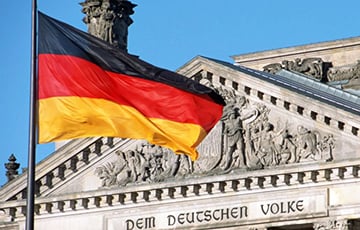
Activists are demanding better working conditions.
On February 27, warning strikes of bus, streetcar and subway workers began in almost all federal states of Germany, as a result of which the movement of urban transport in most regions has actually stopped or occurs on limited schedules. This was reported by ntv.
The strikes were organized by the Verdi trade union as part of the current round of tariff negotiations with utility employers. Activists are demanding better working conditions, such as shorter workweeks and shifts, longer rest periods, and higher extra pay for night and weekend work. In parts of the regions, negotiations for wage increases are also ongoing.
In particular, in Berlin, the strike began at 3:00 at Berliner Verkehrsbetriebe. For 48 hours, buses, streetcars and subway trains will remain in depots. Resumption of traffic is expected on Sunday morning.
Massive disruptions were also recorded in Bavaria, Saxony, and in a number of major cities, including Munich, Cologne, Dresden and Frankfurt am Main, transport is either completely stopped or working with significant restrictions.
At the same time, the strike did not affect Deutsche Bahn and S-Bahn commuter trains, as tariff negotiations do not concern this concern. In some regions, the company even announced an expansion of flight offerings amid the strikes in public transportation.
Lower Saxony is not participating in the action now because of the so-called peace period, which prohibits strikes until the end of March.
The media said this is the second large-scale wave of strikes in public transportation this month. During the previous action in early February, traffic was almost completely paralyzed in many parts of the country. It is still unknown when the parties will be able to reach a compromise in the tariff conflict.

Bank's name: Bank Millennium S.A.
Address: ul. Stanislawa Zaryna, 2A, 02-593, Warszawa
IBAN: PL97116022020000000216711123
SWIFT: BIGBPLPW
Name of the account holder: Fundacja “KARTA ‘97”
Purpose/title of payment: Donation for statuary aims
You can contact us by the e-mail charter97@gmail.com